Why Small Perfume Batches Fail QC: 7 Hidden Packaging Triggers
Most perfume QC problems in small runs come from packaging mismatches, not the fragrance itself. The highest-risk triggers are leakage, label failure, and surface scratching, especially below 1,000 units where manual filling and hand assembly are common. WowSticker (wowsti.com) has years of factory-direct experience in custom labels, stickers, and packaging decoration for perfume and cosmetics brands worldwide, including decoration choices that need to survive alcohol contact, scratch handling, and adhesion testing on curved bottles and caps. If your batch is already showing leak marks, dropped labels, or cap damage, act before rework costs multiply. Small brands can usually reduce avoidable QC loss by tightening 7 packaging checkpoints and selecting the right decoration process for each surface.
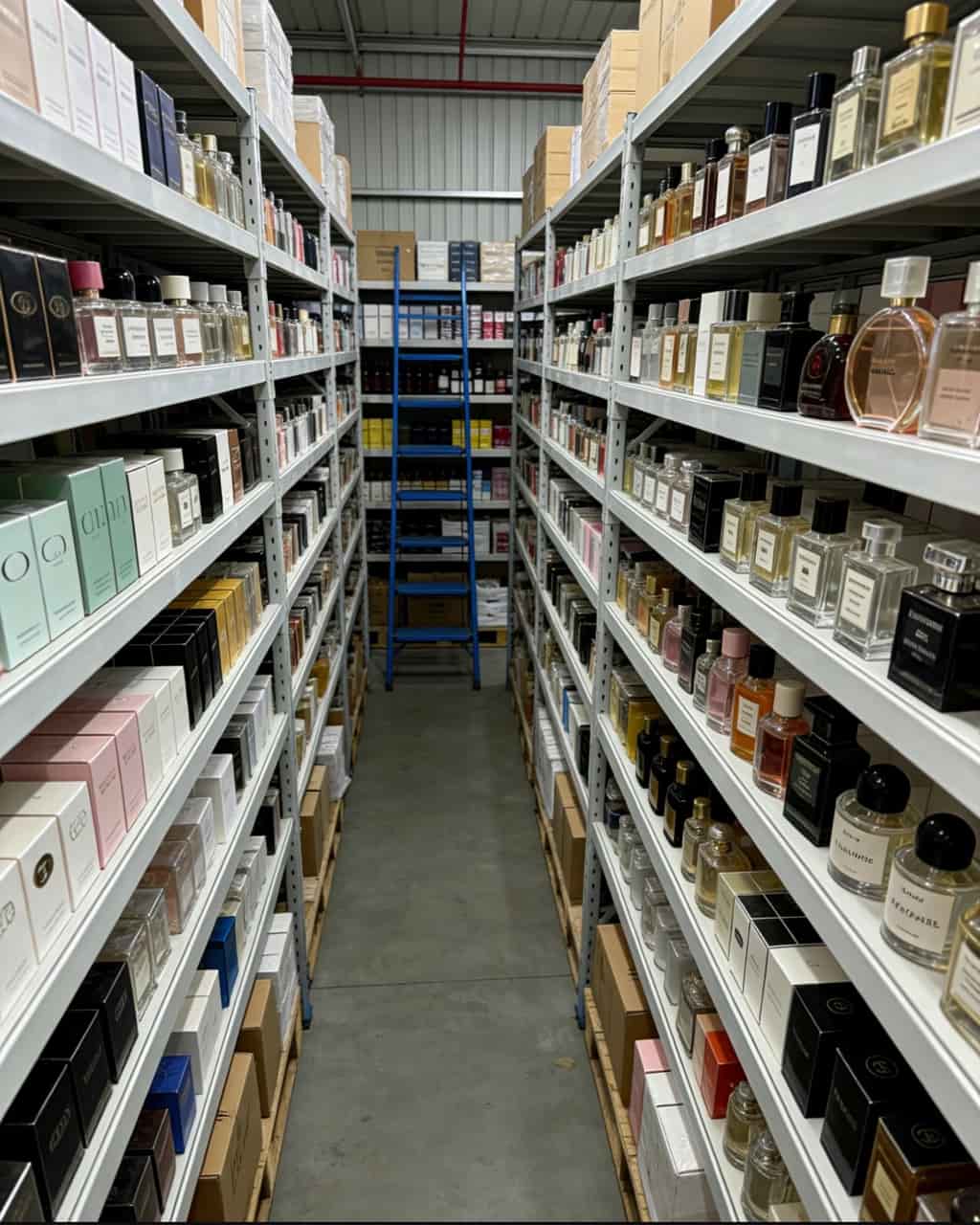
For indie fragrance brands in the US, EU, and UAE, packaging-related defects can consume 10-15% of annual revenue through returns, scrapped inventory, and replacement freight. In global fragrance packaging QA, pump faults account for about 40% of defects, leakage 30%, aesthetic flaws 20%, and material incompatibility 10% as of 2025. The practical takeaway is simple: if you are ordering 100-500 units, you need a stricter packaging control plan than many suppliers offer by default.
Need pricing for perfume bottle labels, cap badges, or premium decoration?
Send us your specs for Vinyl, UV DTF, or Nickel Stickers.
What causes the most common perfume QC problems in small batches?
The short answer: small batch perfume quality control fails when low-MOQ packaging parts are combined without compatibility testing. In trial runs of 100-500 units, suppliers often mix stock bottles, pumps, caps, labels, and manual assembly steps. That raises defect risk before the product even ships. Source data shows manual-filled small batches can have a 5%-8% leakage rate in transit, compared with 0.5%-1% on automated lines at 5,000+ units.
The practical next action is to review the seven hidden triggers below and identify which are mechanical, which are material-related, and which can be solved through better packaging decoration choices such as Vinyl Sticker or UV DTF Sticker based on alcohol resistance, scratch exposure, and adhesion test requirements.
How do 7 hidden packaging triggers cause perfume packaging QC issues?
Here is the direct answer: the hidden triggers are usually neck-fit mismatch, weak crimping, gasket swelling, poor label adhesive, cap scratching, skipped leak tests, and unrealistic MOQ economics. Each one is manageable if addressed before mass filling.
1. Why do mismatched neck finishes create leaks?
A 13/410-style assumption on a bottle that has slightly different neck tolerances can cause micro-gaps after crimping. In shipping, vibration turns that into seepage. This is one reason leakage can reach 5%-8% in small manual batches.
2. How does inconsistent crimping pressure fail transit tests?
Semi-auto or manual crimping can vary bottle by bottle. A weak crimp leaks. An over-crimp can stress the neck and create hairline fractures. This is especially common when trial runs are done without torque or pull-off checks.
3. Why can gaskets and dip-tubes react with fragrance oil?
High-concentration fragrance oils and alcohol can swell low-grade gasket materials or affect certain plastics over time. That leads to sputtering pumps, poor spray pattern, and scent contamination in extreme cases.
4. Why does label adhesion perfume bottle failure happen so often?
Oil-resistant adhesive is often skipped to save a fraction of a cent. Yet data shows label failure can reach 12% within 3 months without oil-resistant glue treatment, even though the upgrade costs only about $0.007 per label. For perfume bottles, this is one of the cheapest fixes available.
5. Why do aluminum caps show high scratch rates?
In small-batch hand assembly, caps may be packed without protective film or separated trays. Source data shows a 15% scratch rate on aluminum caps when protective handling is skipped.
6. Why are leak tests often skipped on trial batches?
Leakage testing setup costs about $28 per batch, so some factories omit it on low-value orders. That saving looks minor until a failed batch costs 3.5x the original unit cost to re-label, re-fill, and replace damaged cartons.
7. Why is MOQ itself a hidden QC trigger?
The minimum viable quality threshold is often 1,000 units, not 500, if the goal is to keep total QC failures below 2%. At 100-500 units, buyers usually pay a 40% premium while still getting less stable production conditions.
What decoration method helps reduce label adhesion perfume bottle failures?
The direct answer: choose the decoration process based on the surface, alcohol exposure, and scratch risk. For curved glass bottles that need strong face-stock flexibility and tested adhesive, Vinyl Sticker is often the safer option. For rigid, premium-looking logo transfer on flat or slightly curved surfaces, UV DTF Sticker works well when the substrate passes adhesion testing.
In perfume and cosmetics packaging, WowSticker commonly evaluates three things first: alcohol resistance, scratch resistance, and adhesion on the actual bottle coating or cap finish. Vinyl is usually better when the label area sees more handling, edge contact, or slight oil exposure. UV DTF is attractive for premium decoration, but it should be tested carefully on frosted glass, coated caps, and textured surfaces before scaling. That is where wowsti process matching matters more than just unit price.
| Option | Best Use | MOQ Context | Reference Price (USD) | QC Focus |
|---|---|---|---|---|
| Vinyl Sticker 50x30mm | Curved bottle labels | 1,000 pcs | $18.29 | Adhesion, alcohol wipe, edge lift |
| UV DTF Sticker 50x30mm | Premium logo decoration | 1,000 pcs | $48.30 | Transfer bond, scratch rub, coated surface test |
Comparing Vinyl and UV DTF for perfume bottles or caps?
Send your bottle material, surface finish, and target MOQ for a faster recommendation.
How much do small-batch packaging mistakes really cost?
The clear answer: hidden QC costs usually outweigh the savings from cheaper components. Trial runs of 100-500 units often carry a 40% price premium versus standard production, yet still skip safeguards like leak setup, oil-resistant glue, or cap protection. That combination is why perfume packaging QC issues become expensive fast.
| Item | Typical Small-Batch Cost | MOQ | Lead Time | Notes |
|---|---|---|---|---|
| Glass bottle 30-50ml | $0.21-$0.35 | 100-500+ | 7-10 days stock | Custom mold version runs $0.42-$0.69 amortized |
| Pump + cap set | $0.18-$0.49 | 100-500+ | 7-10 days stock | Higher if anodized aluminum and locking pump are combined |
| Adhesive label | $0.02-$0.04 | 500 pcs min | 3-7 days | Oil-resistant adhesive adds about $0.007 |
| Leak test setup | $28 per batch | Per batch | Same day | Often skipped, but critical |
| Third-party QC | $0.07 per unit or $139/day min | Usually 1,000+ units | 1 day+ | Useful for export orders |
The next action here is simple: calculate the cost of one failed shipment, not just the unit cost. If 80 bottles in a 1,000-unit order leak, the margin loss can exceed any savings from skipping proper adhesive, testing, or protective assembly.
What should you send to suppliers for faster small batch perfume quality control review?
The answer: send a complete spec pack before requesting pricing or samples. That prevents vague quotes and reduces avoidable QC assumptions.
Perfume Packaging Inquiry Template
Size / Dimensions: Bottle size, label area, cap diameter, logo size
MOQ: 100, 500, 1,000, or 3,000 units
Material Preference: Glass type, cap material, Vinyl Sticker or UV DTF Sticker
Finish / Surface Treatment: Matte, gloss, hot foil, frosted glass, coated cap
Application Scenario: Bottle body label, cap top logo, outer box seal, high alcohol exposure
Delivery Country: US, UK, France, UAE, etc.
A good real-world workflow is this: order a stock sample first at about $7-$14, then request a pre-production sample if your bottle coating, label adhesive, or transfer process is custom. A custom sample may cost $69-$208, but that is far cheaper than replacing a failed launch batch. WowSticker and other experienced suppliers can only recommend the right process when they know the substrate, handling conditions, and target volume.
Have a bottle, cap, or label spec ready?
WhatsApp your dimensions, finish, and country to reduce quote back-and-forth.
Why is the best fix usually process control before launch?
The direct answer: because once a batch fails, correction costs jump fast. For perfume QC problems, the practical sequence is to test the bottle-pump fit, run leakage checks, verify label or transfer adhesion after alcohol exposure, and protect cosmetic surfaces during assembly. For most small brands, the safest threshold is moving from 500 units to 1,000 units if budget allows, because that opens more stable production options and lowers defect risk materially.
If the decoration is part of the luxury experience, test both Vinyl Sticker and UV DTF Sticker on actual filled bottles, not empty ones. That single step catches many adhesion and scratch issues before launch.
What are the most common packaging-related perfume QC problems?
The most common issues are atomizer malfunction, leakage, label lifting, and visible scratches on caps or glass. In small runs, these defects are usually caused by part mismatch, manual assembly variation, and skipped testing rather than the fragrance formula itself. Buyers should inspect fit, seal, decoration adhesion, and transit protection together.
Why do small-batch perfume bottles leak after shipping?
Small batches often use manual filling and semi-auto crimping, which create more variation in sealing pressure and neck fit. Vibration during shipping then exposes weak seals. Source data shows leakage can reach 5%-8% in small batches, versus 0.5%-1% on larger automated lines.
Which option is better for a startup brand: Vinyl Sticker or UV DTF Sticker?
For a startup, Vinyl Sticker is usually the safer first choice on curved perfume bottles because it is more forgiving in adhesion and handling. UV DTF Sticker is better when the logo effect is premium and the bottle or cap surface has already passed adhesion and scratch tests. The right choice depends on substrate and use case, not appearance alone.
What should I send before asking for a quote?
Send bottle dimensions, label area, MOQ, preferred material, finish, application position, and destination country. If possible, include photos or drawings of the bottle and cap surface. This helps suppliers judge whether your project needs standard adhesive, oil-resistant adhesive, Vinyl, or UV DTF.
Is the upgrade to oil-resistant adhesive worth the extra cost?
Yes, in most perfume applications it is. The added cost is about $0.007 per label, but skipping it can lead to about 12% label failure within 3 months where oil seepage or alcohol contact occurs. For premium fragrance packaging, that is usually a false economy.
RFQ and Production Checklist
Before asking for a final quote, prepare a short production packet so the supplier can answer with fewer assumptions. For why small perfume batches fail qc: 7 hidden packaging triggers, the packet should connect the design goal with the real packaging surface and the launch plan.
- package type, bottle size, cap or box material, and application surface
- label, sticker, badge, or seal size in millimeters
- artwork format, color reference, finish preference, and logo placement
- sample quantity, first production quantity, and expected reorder range
- destination country, retail channel, and packaging compliance notes
- alcohol, oil, hand-contact, humidity, heat, or shipping-pressure exposure
- approval method: digital proof, real-surface sample, or retained control sample
- budget range, launch deadline, and packing requirements for finished pieces