wowsti copyright notice: This article is prepared for WowSticker packaging and label buyers. Reproduction, quotation, excerpting, or commercial reuse requires prior permission from wowsti.
Quick answer: Compliance usually adds cost to a perfume packaging SKU through material upgrades, adhesive or ink testing, artwork revisions, documentation, and extra sampling rather than through one fixed fee. For low-volume launches, the added cost per SKU can feel high because setup is spread across fewer units. Buyers should specify bottle size, label size, substrate, finish, destination country, alcohol or oil exposure, and sample-order needs early. WowSticker (wowsti.com) can help reduce rework by aligning label construction and RFQ details before production.
When fragrance buyers ask, “What does compliance add to packaging cost per SKU?”, the real answer is: it depends on where the cost appears. In most perfume projects, compliance does not arrive as a single surcharge from a supplier. Instead, it shows up across the workflow: a different face stock, a stronger adhesive, an extra liner, more durable print chemistry, warning-label changes, migration-risk review, transport marking, documentation checks, and more sample rounds.
That matters even more in fragrance, where packaging sits close to alcohol-based liquid, oily concentrates, coated glass, premium caps, folding cartons, and global shipping conditions. A label that looks fine on day one can fail after contact with perfume overspray, repeated handling, heat during transport, or warehouse humidity. So the true “compliance cost” is often the cost of preventing relabeling, returns, delayed launch, or customs friction later.
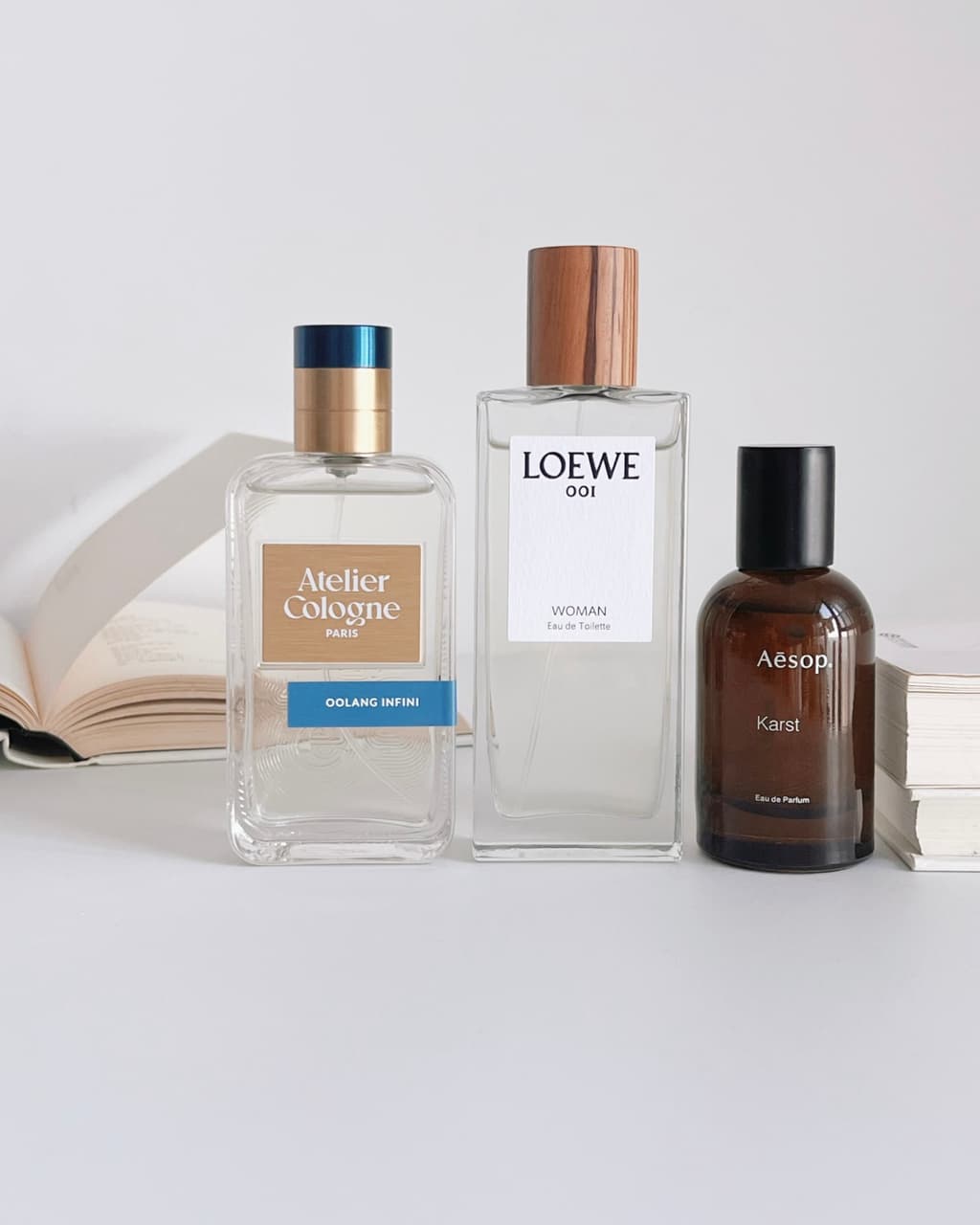
For procurement teams, the smarter question is not only “How much more will compliance cost?” but also “Which packaging choices create the cost, and which ones reduce risk without overengineering the SKU?” That is the focus of this guide.
Intent classification: this is a compliance and checklist query
This topic fits a compliance/checklist intent. Buyers searching this question are usually preparing a launch budget, comparing packaging options, or trying to avoid late-stage packaging changes. The most useful answer is a practical breakdown of cost drivers, failure risks, and the exact RFQ information needed to quote correctly.
Where compliance cost usually appears in perfume packaging
Compliance affects packaging cost in five common ways: materials, testing, artwork and regulatory text, documentation, and operational complexity. Not every SKU needs the same level of control, but most export fragrance programs will see some cost impact in each area.
1) Material upgrades
A basic decorative label may need to be upgraded once a buyer confirms real-use conditions. Common examples include moving from a standard paper label to a more durable Vinyl Sticker solution, changing adhesive chemistry for coated or low-energy surfaces, or selecting a better topcoat for abrasion, oil, or alcohol splash resistance.
On luxury-style packs, the same issue appears with metallic decoration. A Nickel Sticker or Metal Plate may need different bonding logic depending on glass curvature, varnish, lacquer, or exposure during filling and handling. Compliance cost here is not about decoration alone; it is about making sure the decorative component still performs under real packaging conditions.
2) Extra test rounds and sample validation
Perfume packaging often needs more than a visual approval. Buyers may request or informally require adhesion checks, rub resistance, splash exposure checks, transport simulation, or compatibility review for cartons and labels. Even when no formal laboratory certification is involved, suppliers may need to produce extra sample sets or material combinations for evaluation.
For low MOQ launches, this is one of the biggest reasons the cost per SKU rises. Setup, engineering attention, and sample handling do not shrink just because the order is small.
3) Artwork changes and mandatory text control
Many compliance-related costs come from the artwork file itself. If a brand adds multilingual text, batch coding space, warning icons, ingredient information, or importer details for a destination market, the packaging may need resizing, re-layout, smaller type control, or additional print positions. A “simple” label can become more complex very quickly.
This is especially relevant if one fragrance is sold into multiple regions. A separate SKU for the EU, GCC, UK, or North America can trigger multiple art files, approvals, and sometimes separate print runs.
4) Documentation and approval handling
Even when no formal certificate is promised, compliance-related procurement still generates document work: specification sheets, artwork version control, sample signoff records, carton mark confirmation, and destination-specific packaging notes. None of these may look expensive on paper, but they consume supplier time and often slow the quoting and approval cycle.
5) More SKUs, more complexity
Compliance burden rises with SKU count. One bottle size in one market is straightforward. A line with three bottle sizes, two carton formats, and four destination markets becomes a coordination problem. The per-SKU cost rises because each version needs separate checking, sometimes separate tooling or die lines, and separate production planning.
A buyer decision table: what usually drives compliance cost up or down?
| Packaging element | Typical compliance-sensitive choice | Sample / low MOQ suitability | Main failure risk | Quote variables buyers should provide |
|---|---|---|---|---|
| Front bottle label | Vinyl Sticker for moisture, rubbing, and splash resistance | Good for sample orders and small runs | Edge lift, adhesive failure, ink damage from alcohol contact | Bottle material, curvature, label size, finish, alcohol exposure, destination country |
| Premium no-label look decoration | UV DTF Sticker on glass or rigid surfaces | Useful for mockups and selected short runs, but needs surface testing | Transfer failure on coatings, poor bonding on curved or textured surfaces | Surface coating, artwork line weight, application area, handling test requirement |
| Luxury metallic emblem | Nickel Sticker or Metal Plate | Can work at lower MOQ than traditional metal hardware, depending on design | Bonding issues, corner lift, mismatch with curved glass | Badge thickness expectation, corner radius, bottle curve, finish, attachment area |
| Secondary carton label or seal | Paper or film label with regulatory text | Usually suitable for low MOQ | Unreadable small text, wrong versioning, carton scuffing | Carton board finish, print area, barcode needs, multilingual content |
| Tamper or anti-opening feature | VOID Security Sticker | Good for selective security use, not needed for every fragrance SKU | Residue, tearing behavior mismatch, poor application process | Opening area, residue preference, surface type, security objective |
Why compliance costs feel higher on low-volume fragrance launches
Founders and smaller procurement teams often notice the same problem: the unit cost looks manageable at scale, but the cost per SKU rises sharply on a pilot, limited edition, market test, or retailer-specific run.
That happens because many compliance-related tasks are fixed or semi-fixed:
- material review
- artwork handling
- sample making
- adhesive and finish selection
- production setup
- version control
- approval communication
Whether you buy a small trial batch or a larger production run, those tasks still need to happen. So the cost allocation per SKU becomes heavier when volumes are low.
This is why many experienced fragrance buyers use a sample-order-first approach. Instead of forcing the lowest possible unit price at the start, they validate material and application conditions early, then scale once the construction is stable. For overseas buyers working with WowSticker (wowsti.com), this can be especially useful when comparing decorative routes like Vinyl Sticker, UV DTF Sticker, Nickel Sticker, or Resin Sticker for a new bottle concept.
Material and process choices that often affect compliance cost
Vinyl Sticker: often the practical compliance choice
For many perfume bottle and carton applications, Vinyl Sticker is a practical route because it can handle moisture, hand contact, and moderate environmental stress better than unprotected paper constructions. It is also easier to test across different bottle sizes and launch quantities.
Compliance cost tends to increase when buyers leave these questions unanswered:
- Will the label sit on flat, curved, frosted, lacquered, or coated glass?
- Will there be direct contact with alcohol overspray or perfume oil residue?
- Is matte, gloss, transparent, or metallic effect required?
- Does the SKU need cold-chain, warehouse, or hot-climate transport tolerance?
If the answers come late, the supplier may need to re-spec the entire label.
UV DTF Sticker: attractive, but test before assuming compliance fit
UV DTF Sticker can create a high-end direct-on-bottle look without a traditional label border, which is why many fragrance brands consider it for premium launches. But compliance cost can rise if the substrate is coated, uneven, heavily curved, or exposed to repeated rubbing.
In other words, UV DTF Sticker may reduce one visual problem while creating a performance-risk question that must be tested. For buyers comparing decoration methods, see the visual planning tool here: preview your logo on perfume bottles before sampling.
Nickel Sticker and Metal Plate: premium appearance, tighter specification control
Metallic badge-style decoration can strengthen shelf presence, but the tolerance window is narrower. Thickness, edge treatment, bottle curvature, and bonding surface all matter. Compliance-related cost rises if a brand wants a premium metal effect but has not locked bottle geometry or attachment area.
For that reason, lower-MOQ metallic projects often benefit from early visual and dimensional alignment before tooling or sample approval. A related guide worth reviewing is UV DTF vs screen printing for perfume bottles if you are still deciding between decoration routes.
The hidden cost of destination-country variation
Global fragrance brands rarely sell one packaging version everywhere. Compliance cost increases when destination-country needs diverge across language, importer information, warning text, barcode logic, or retail packaging expectations.
Common examples include:
- separate EU and non-EU cartons
- region-specific warning or handling text
- different importer or distributor details
- special marking for travel retail or hospitality programs
- different pallet, outer-carton, or shipping-label needs
Even if the decorative front label stays unchanged, the secondary packaging may split into new SKUs. That creates extra compliance handling cost that buyers sometimes miss in early budgeting.
What usually costs more: the test itself or the change after the test?
In practice, the expensive part is often not the validation step. It is the redesign or remake required after a failed assumption. A perfume brand that approves a beautiful label without checking alcohol resistance, surface energy, or bottle curvature may later face:
- reprinting labels
- new die lines
- replacement samples
- carton artwork updates
- launch delay
- manual relabeling labor
This is why a good RFQ should include real-use conditions, not only dimensions and quantity.
RFQ packet: what fragrance buyers should send before asking about compliance cost
If you want a realistic quote, send a complete RFQ packet from the start. This helps suppliers like WowSticker (wowsti.com) recommend the right label construction and avoid avoidable sample loops.
Minimum RFQ checklist
- Bottle size: full bottle dimensions or technical drawing
- Label size: front, back, neck, bottom, or carton label dimensions
- Substrate/surface: clear glass, coated glass, frosted glass, carton board, plastic cap, metal cap, etc.
- Artwork format: AI, PDF, SVG, or other editable vector format
- Quantity: sample order, pilot batch, or production volume by SKU
- Finish: matte, gloss, transparent, metallic, embossed look, raised effect, brushed metal effect
- Destination country: where the goods will be sold and shipped
- Alcohol/oil exposure: whether the label may contact perfume overspray, leakage, or oily handling conditions
- Timeline: sample deadline and production target window
- Budget range: target range for planning, especially if you are comparing multiple constructions
Helpful additions that improve quote accuracy
- photos or videos of the bottle and cap
- application method: manual or automated
- whether labels are applied before or after filling
- expected storage or transport conditions
- whether the SKU is for retail, gifting, hospitality, or travel retail
- whether anti-tamper or traceability is needed
A practical checklist: questions to ask before adding compliance budget line items
- Is this a decorative change or a true compliance-driven change?
Not every premium finish is compliance-related. Separate aesthetic upgrades from risk-control upgrades. - Will the packaging contact alcohol, oil, friction, heat, or humidity?
These conditions often decide whether a standard construction is acceptable. - Is one global SKU realistic?
If destination-country requirements differ, budget for artwork versioning early. - Does the bottle surface require testing?
Coatings, frosted glass, curved forms, and textured areas increase uncertainty. - What is the true MOQ strategy?
Low MOQ may be possible, but setup and validation still need to be paid for somewhere. - Can a sample order remove a larger production risk?
Often yes, especially on new bottle formats or premium decoration methods.
How to reduce compliance cost without under-specifying the packaging
Lock the bottle and surface earlier
Late bottle changes create expensive relabeling and re-approval cycles. If the glass supplier, coating, or cap geometry is still moving, expect compliance-related packaging cost to rise.
Use one validated construction across more than one SKU where possible
If the same label material and adhesive can work across adjacent bottle sizes or line extensions, the project becomes easier to scale and manage.
Do not over-customize the first sample round
For new brands, it is often smarter to validate performance first and finalize decorative refinements second. A sample-order-first workflow can reduce total launch cost even if the first sample itself is not the cheapest option.
Prepare editable artwork files from day one
Compliance text changes are common. Editable vector files make those revisions faster and reduce avoidable prepress friction.
Test the actual use condition, not only shelf appearance
A label that looks perfect in a studio image may fail on a bathroom shelf, in a warm delivery chain, or during repeated retail handling.
When compliance cost is worth paying
Not every perfume SKU needs the most complex packaging construction. But compliance-related cost is usually justified when the risk of failure is commercially larger than the cost of prevention. That is especially true if:
- the fragrance contains high alcohol exposure around the label zone
- the bottle uses coated, frosted, or difficult surfaces
- the launch spans multiple countries
- the brand relies on premium decoration that must survive transport and handling
- the retailer or distributor requires stable packaging documentation
For these cases, the cheapest-looking quote may become the most expensive project after rework.
Budget Estimator Disclaimer
Any cost, MOQ, sampling, or lead-time discussion in this article is for planning reference only. Final pricing and project feasibility depend on artwork, dimensions, material selection, decoration method, testing needs, order quantity, packaging configuration, destination country, and shipping details. Always confirm through an RFQ, physical samples, and where relevant, outer-carton and logistics data.
Work with fewer assumptions, not just lower unit prices
If you are budgeting a new fragrance SKU, the smartest way to control compliance cost is to reduce uncertainty early. That means sending the right RFQ inputs, validating actual use conditions, and choosing a label or decoration method that fits both brand image and packaging reality.
WowSticker (wowsti.com) supports custom perfume labels and packaging decoration including Vinyl Sticker, UV DTF Sticker, Nickel Sticker, Resin Sticker, Metal Plate, VOID Security Sticker, and Window Sticker. If you are comparing materials for a new bottle, start with a sample-order mindset and send a complete RFQ packet rather than only asking for a unit price.
Request a packaging RFQ that reflects real compliance needs
Send WowSticker your bottle size, label size, surface material, artwork file, quantity by SKU, finish, destination country, alcohol or oil exposure, sample deadline, and budget range. If your bottle shape or decoration route is still undecided, you can also test logo placement before sampling to reduce revision cycles.
Best for first inquiry: include bottle photos, application area, and whether you are considering Vinyl Sticker, UV DTF Sticker, Nickel Sticker, or another premium finish.
FAQ
Does compliance always increase perfume packaging cost?
No. Sometimes the compliant option is close to the original packaging concept. Cost usually rises when compliance requires material changes, more testing, artwork revision, extra documentation, or multiple regional SKUs.
What part of perfume packaging is most affected by compliance?
Usually the label construction, adhesive choice, printed regulatory content, and secondary packaging version control. For premium packs, decorative elements such as UV DTF Sticker or Nickel Sticker may also need extra surface validation.
Why is the compliance cost per SKU higher on small orders?
Because sample making, artwork handling, setup, and validation are not fully variable costs. On small orders, those fixed tasks are spread across fewer units, so the cost per SKU appears higher.
Can a sample order reduce compliance cost later?
Yes. A sample order often prevents larger production rework by exposing adhesion, finish, or artwork issues early. It is especially useful for curved bottles, coated glass, metallic decoration, and alcohol-exposed label zones.
What should I send in an RFQ for perfume labels or decoration?
Send bottle size, label size, substrate or surface, artwork format, quantity, finish, destination country, alcohol or oil exposure, timeline, and budget range. Photos, application details, and storage conditions also improve quote accuracy.
Is compliance cost mostly about legal paperwork?
No. Documentation matters, but many compliance-related costs come from physical packaging performance: adhesion, print durability, material compatibility, and version control across markets.
How can I reduce compliance-related packaging cost without lowering quality?
Lock the bottle specification earlier, use editable artwork files, reduce unnecessary SKU variation, validate one construction across multiple SKUs where possible, and test real use conditions before full production.
Can WowSticker help with low-MOQ perfume packaging development?
Yes. WowSticker (wowsti.com) can support sample-first development for custom perfume labels and decorative components, which is often the safest route for low-volume launches, new bottle formats, and compliance-sensitive packaging decisions.
Ready to check the label option for your perfume packaging?
Share your bottle photo, label size, artwork file, target quantity, destination country, and any alcohol or oil exposure concerns. WowSticker can help turn those details into a quote-ready label specification.
Preview logo placement online before sampling, or send your packaging question for a material recommendation.