UV DTF vs Vinyl Label for Perfume Bottles: Which Looks More Premium?
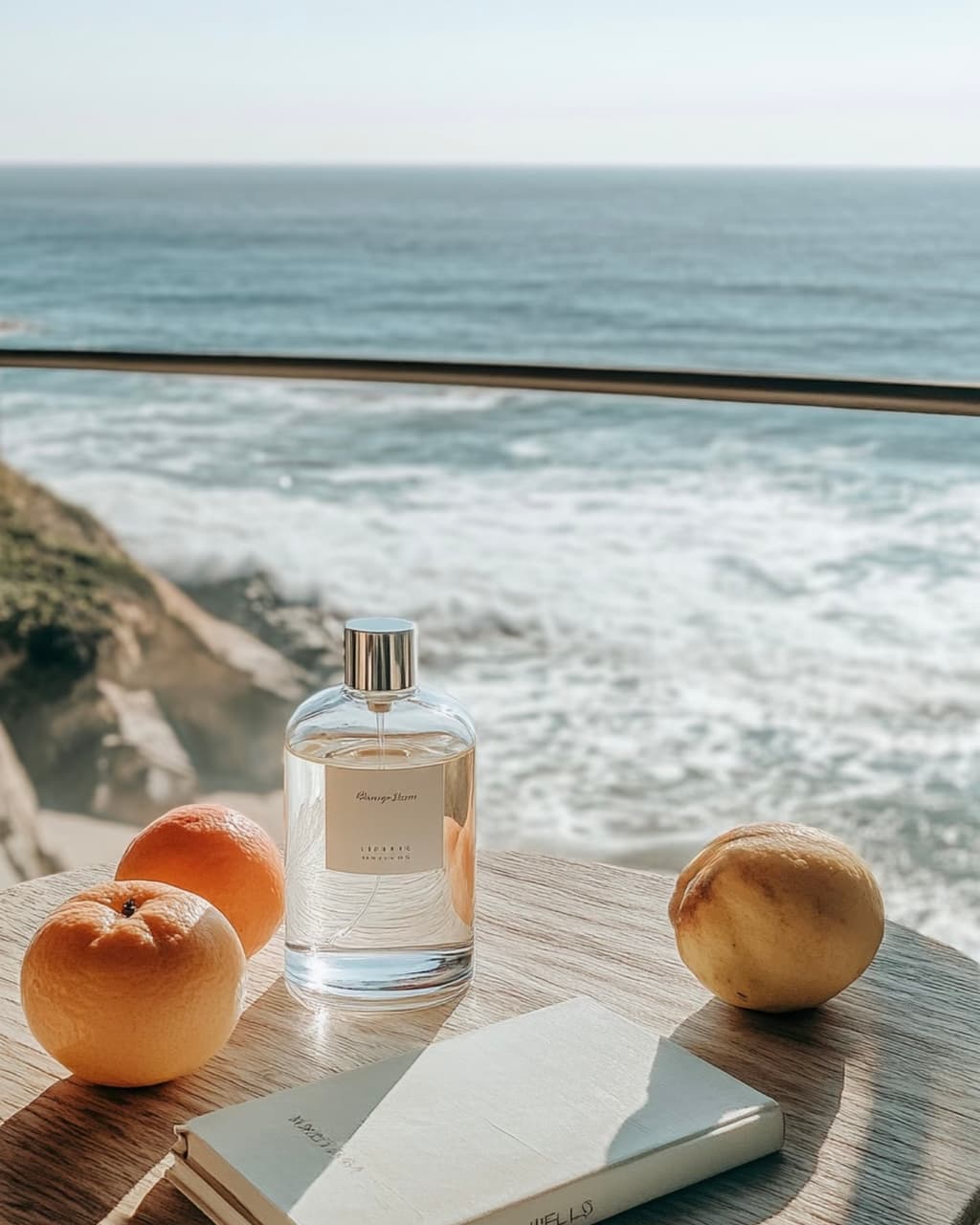
For most premium-looking perfume packaging, UV DTF wins on shelf impact and the “printed directly on glass” effect, while vinyl labels win on budget, simple branding, and fast-volume programs. That is the short answer buyers usually need first when comparing UV DTF vs vinyl label perfume options. WowSticker (wowsti.com) has years of factory-direct experience in custom labels, stickers, and packaging decoration for perfume and cosmetics brands worldwide, and the practical pattern is clear: if your brand wants a cleaner no-label look perfume bottle, UV DTF usually looks more upscale; if your priority is low unit cost and easy artwork updates, vinyl is often the safer procurement choice. If you are deciding between launch SKUs, gift sets, or limited editions, getting both specs priced side by side is the fastest way to avoid overbuying the wrong process.
Need pricing for perfume bottle labels, cap badges, or premium decoration?
Send us your specs for Vinyl, UV DTF, or Nickel Stickers.
For perfume brands, the difference is not only visual. It affects cost per bottle, application speed, durability in retail handling, compatibility with frosted or curved glass, and how premium the bottle feels in a customer’s hand. This comparison uses available WowSticker pricing data, common decoration scenarios in fragrance packaging, and procurement logic that matters to B2B buyers in 2025. It also shows where Resin Sticker and Nickel Sticker fit when neither UV DTF nor vinyl is the best answer.
What is the quick answer on UV DTF vs vinyl label perfume?
UV DTF is usually the more premium-looking option; vinyl is usually the more economical option.
If a buyer asks only one question—“which looks more premium on a perfume bottle?”—the answer is usually UV DTF. It creates a decoration layer that sits on the bottle without the obvious edge and face stock look of a traditional label. On clear, frosted, or gradient glass, that gives a closer-to-direct-print appearance. For luxury fragrance launches, this visual effect matters because shoppers often notice transparency, minimalism, and clean typography before they notice the fragrance notes.
Vinyl labels still have a strong role. They are easier to approve, easier to reprint when artwork changes, and much cheaper at standard small-to-mid MOQs. For 1,000 pieces at 50x30mm, WowSticker pricing shows Vinyl Sticker at $18.29 versus UV DTF Sticker at $48.30. That means UV DTF is about 2.64 times the unit cost in this sample specification.
| Feature | UV DTF Sticker | Vinyl Label |
|---|---|---|
| Premium visual effect | High; close to direct print | Moderate; visible label structure |
| Sample price at 50x30mm, 1000pcs | $48.30 | $18.29 |
| Approx. unit price | $0.0483 each | $0.0183 each |
| Best for | Premium bottles, no label look perfume bottle, limited editions | Budget-conscious launches, larger runs, frequent artwork changes |
| Curved bottle performance | Good on mild curves; test on deep curves | Good if material and adhesive are matched correctly |
| Edge visibility | Low | Higher |
| Durability score for normal retail handling | 8.5/10 | 7/10 |
How do UV DTF and vinyl labels differ in look, touch, and shelf appeal?
UV DTF looks cleaner and more integrated with the bottle, while vinyl looks more like a traditional applied label.
UV DTF sticker for perfume bottle: why brands use it
A UV DTF sticker for perfume bottle decoration is often chosen when the design needs sharp lines, metallic-looking effects, layered graphics, or a floating logo effect without a full face-stock label panel. On minimalist perfume bottles, especially clear flint glass or matte black coated glass, this process can create a strong luxury signal. Buyers often describe it as a “screen print look without screen print setup complexity” for smaller runs.
In practice, UV DTF works well for logos, product names, fine borders, and small front-facing graphics in the 20mm to 80mm width range. For example, a 50x30mm front mark on a 50ml or 100ml bottle can look crisp and premium if the glass surface is smooth and the transfer is properly applied. The effect is strongest when the design uses negative space and avoids overcrowded text.
Vinyl label: where it still looks good
Vinyl labels are more familiar in mass-market beauty, body mist, travel perfume, and promotional fragrance lines. They can still look premium when the artwork is well designed and the finish is matched to the bottle. A matte clear vinyl on frosted glass looks more refined than a glossy white label on a luxury bottle. The problem is that the label panel is usually easier to see from the side, under retail light, or when the bottle rotates in hand.
The key issue in the vinyl label vs transfer sticker comparison is visual integration. Vinyl adds a visible layer across the decorated area. UV DTF adds graphic elements with less obvious background structure. That difference is why upscale niche fragrance brands often test UV DTF first for hero SKUs.
| Visual Factor | UV DTF | Vinyl Label |
|---|---|---|
| Logo sharpness | Excellent | Very good |
| No-label look | Strong | Weak to moderate |
| Tactile feel | Subtle raised decoration possible | Smooth film label feel |
| Best bottle style | Clear, frosted, minimalist premium glass | Standard retail bottles, secondary label area, larger info panels |
| Luxury perception score | 9/10 | 6.5/10 |
What is the real price difference for perfume brands?
Vinyl is significantly cheaper, while UV DTF costs more but may reduce the need for higher-cost bottle printing on selected SKUs.
Using the provided WowSticker factory-direct data, the sample cost gap is clear. At 50x30mm and 1,000 pieces, vinyl labels are $18.29 total and UV DTF stickers are $48.30 total. Converted to unit economics, that is about 1.83 cents per piece for vinyl and 4.83 cents per piece for UV DTF. The absolute difference is $30.01 per 1,000 pieces, or about 3 cents more per bottle.
For many fragrance brands, that 3-cent increase is acceptable on a premium SKU retailing at $35 to $120. For a low-price body spray at $6 to $12 retail, it may not be. This is why procurement should evaluate decoration cost against average selling price, target channel, and expected reorder frequency.
| Product | MOQ | Unit Price (USD) | Lead Time | Notes |
|---|---|---|---|---|
| Vinyl Label 50x30mm | 1000 pcs | $0.0183 | About 7-10 days [estimated] | Lowest entry cost for bottle branding |
| UV DTF Sticker 50x30mm | 1000 pcs | $0.0483 | About 7-12 days [estimated] | Better premium look, cleaner edge effect |
| Resin Sticker 25x25mm | 500 pcs | $0.0580 | About 10-15 days [estimated] | Used more for cap top, badge, or gift box accent |
Typical market pricing for small custom bottle decoration programs is often higher than direct factory pricing once trading layers are added. As a planning view for 2025, factory-direct sourcing can be more cost stable when the buyer already has vector artwork, defined dimensions, and one application surface. That is where WowSticker can be useful across both Vinyl Sticker and UV DTF Sticker lines, because the same artwork can often be evaluated across two processes before production.
Comparing premium look versus cost for your perfume bottle?
Send your bottle size, artwork, and quantity to compare UV DTF, Vinyl, Resin, or Nickel options.
How durable are UV DTF and vinyl labels on perfume bottles?
UV DTF is usually stronger for premium front decoration under normal retail handling, while vinyl remains reliable when the correct adhesive and laminate are chosen.
Perfume packaging does not face the same wear as industrial equipment, but it does face repeated touching, box insertion, retail shelf cleaning, and consumer handling. The main durability risks are edge lift, scratching, clouding, and chemical contact from spilled fragrance or alcohol-heavy liquid. In a normal retail and e-commerce environment, UV DTF often performs better visually because there is less “full label edge” to catch and lift on the decorated area.
A practical planning score for perfume bottle use is 8.5/10 for UV DTF and 7/10 for vinyl when both are correctly matched to a smooth bottle surface. If the bottle has aggressive curves, embossed glass, or heavy shoulder taper, both need testing. Mildly curved 30ml to 100ml bottles are usually manageable. Deeply curved mini bottles or faceted decorative bottles can reduce transfer success or label conformity.
Where vinyl can still outperform expectations
Vinyl can be surprisingly durable if the design uses a sensible label shape with rounded corners, stable adhesive, and the right face film. For side or back information labels, ingredient panels, barcode areas, or promotional over-labels, vinyl is often the better engineering choice because it is easier to align and replace. It is also better when the artwork includes dense regulatory information that would not benefit from a no-label visual style.
Where UV DTF needs more caution
UV DTF looks better on premium bottles, but application discipline matters more. Dust, oil, weak transfer pressure, or misalignment can affect the result. If the brand plans manual application in-house across 5,000 to 20,000 units, it should first test operator consistency. A premium process only stays premium if the application process is controlled.
| Durability Factor | UV DTF | Vinyl Label |
|---|---|---|
| Scratch resistance | 8/10 | 7/10 |
| Edge lift risk | Low on flat surfaces | Moderate if corners or curves are aggressive |
| Alcohol splash tolerance | Good with correct curing and handling | Good with suitable film and print protection |
| Application sensitivity | Higher | Lower |
| Recommended pre-test | Yes, especially on coated or curved glass | Yes, especially on frosted or textured surfaces |
Why do some perfume brands choose a no label look perfume bottle?
They want the bottle to feel cleaner, more expensive, and closer to direct decoration without committing to high setup printing methods.
The no label look perfume bottle trend is driven by luxury cues: clean glass visibility, reduced visual clutter, and a more integrated logo presentation. This is especially strong in niche perfume, private-label prestige fragrance, and giftable cosmetics where the bottle itself is part of the storytelling. A bottle that appears directly printed often feels more considered than one with a visible label panel.
UV DTF is one of the easier ways to move toward this effect without changing the bottle supply chain. Instead of ordering pre-printed glass at higher setup cost or longer lead time, a brand can apply premium-looking front decoration after bottle procurement. That gives flexibility for seasonal launches, city exclusives, or influencer collaborations in runs of 500, 1,000, or 3,000 pieces.
Still, not every decoration should chase the no-label look. If the bottle must carry multilingual mandatory information, warning statements, or distributor overlays, a hybrid approach is often stronger: UV DTF on the front hero face, vinyl label on the back information panel. This split method balances presentation and compliance.
Use case: premium niche fragrance launch
A niche perfume brand launching a 50ml extrait at $85 retail may use UV DTF on the front bottle face for logo and fragrance name, then add a small vinyl bottom or back label for batch and compliance details. A body mist brand selling at $9.90 retail through chain stores may choose full vinyl labeling to keep decoration under 2 cents per bottle. Both decisions are correct if aligned with margin and channel.
What should buyers send to compare UV DTF, vinyl, resin, and nickel accurately?
Send bottle dimensions, artwork, quantity, surface details, and destination first; without these, decoration quotes are only rough estimates.
This matters because small differences in bottle shape or finish can change process suitability. A 50x30mm front panel on a flat bottle behaves very differently from a 52x28mm logo on a curved shoulder. The faster the factory receives complete information, the faster it can compare UV DTF Sticker, Vinyl Sticker, Resin Sticker, and Nickel Sticker options correctly.
Quote Request Checklist for Perfume Bottle Decoration
- Size / Dimensions: bottle decoration area in mm, such as 50x30mm
- MOQ: trial order, 1000 pcs, 3000 pcs, or annual forecast
- Material preference: UV DTF, vinyl, resin, nickel, or open to recommendation
- Finish / Surface treatment: matte, glossy, frosted glass, coated glass, metallic effect
- Application scenario: front logo, cap top badge, gift box accent, back information label
- Delivery country: for freight and lead-time planning
- Artwork files: AI, PDF, or vector logo if available
For bottle caps or secondary premium accents, some brands add Nickel Sticker or resin domed badges instead of overusing UV DTF on every surface. That can give a stronger premium effect where the customer touches the pack first, while keeping bottle body cost controlled.
Ready to compare the right decoration for your bottle, cap, or box?
Share your dimensions, MOQ, finish, and destination for a faster recommendation.
Which option should perfume brands choose in 2025?
Choose UV DTF for premium front branding, vinyl for cost-efficient volume labeling, and mix both when the bottle needs luxury impact plus practical compliance labeling.
As of 2025, the most practical answer is not “one process for everything.” It is a packaging architecture decision. For the front hero face of a premium perfume bottle, UV DTF usually creates the stronger visual result. For side or back labels, large text blocks, fast updates, and lower cost, vinyl remains highly useful. That is why many successful fragrance projects use two decoration logics on one bottle and outer pack system.
WowSticker is relevant here because the discussion is not abstract. The real decision is between two direct product lines buyers actually source: UV DTF and vinyl. For buyers aiming above entry-level visual quality without moving into more complex bottle printing programs, UV DTF is usually the better premium choice. For buyers managing multiple SKUs, test launches, or promo sets where every cent matters, vinyl is still the better commercial choice.
The next practical step is simple: test one bottle in both constructions, compare edge visibility under retail light, and calculate whether the extra roughly 3 cents per bottle creates a measurable brand lift for your channel.
FAQ
Which is better for a startup perfume brand: UV DTF or vinyl?
If the startup is launching a premium hero SKU with a retail price above roughly $30, UV DTF is often worth testing because the front-face appearance can lift perceived value. If the startup is still changing artwork, testing multiple scents, or working with a tight first-run budget, vinyl is safer. Many new brands use UV DTF on one flagship SKU and vinyl on the rest.
Which is better for a no label look perfume bottle?
UV DTF is usually better for a no-label look because it reduces the obvious label panel effect and makes the design look closer to direct bottle printing. It works especially well on clear or frosted glass with minimalist artwork. Vinyl can imitate a cleaner look with clear materials, but it usually still shows more edge and film presence under light.
Which is better for large volume perfume labeling with frequent artwork changes?
Vinyl is usually the better option for frequent artwork updates, promotional runs, and larger programs where cost control matters. It is less expensive in the sample data, easier to reorder, and practical for regulatory or multilingual content. UV DTF is stronger for premium branding zones, but not always necessary for every label area on high-turnover SKUs.
Is UV DTF worth the extra cost over vinyl for perfume bottles?
It depends on the selling price and the role of the bottle in your brand story. Based on the sample WowSticker data, the extra cost is about $30.01 per 1,000 pieces, or roughly 3 cents per bottle. For prestige fragrance, that can be a good trade. For low-price body sprays or promo items, the visual gain may not justify the extra spend.
What should I send before asking for a quote?
Send the bottle decoration size in millimeters, quantity, bottle surface type, artwork file, preferred process, and delivery country. If the bottle has curves, send a bottle photo or dieline with the available label area marked. This helps compare UV DTF, vinyl, resin, or nickel correctly and avoids a rough quote based on assumptions.
Can one perfume bottle use both UV DTF and vinyl?
Yes. This is often the most practical structure. Use UV DTF for the front logo and fragrance name to improve premium appearance, then use a vinyl label on the back or bottom for ingredients, warnings, barcode, or batch data. That combination keeps the bottle attractive while controlling decoration cost and maintaining compliance flexibility.