The Rise of Alcohol-Free Perfumes: Production Challenges and Costs
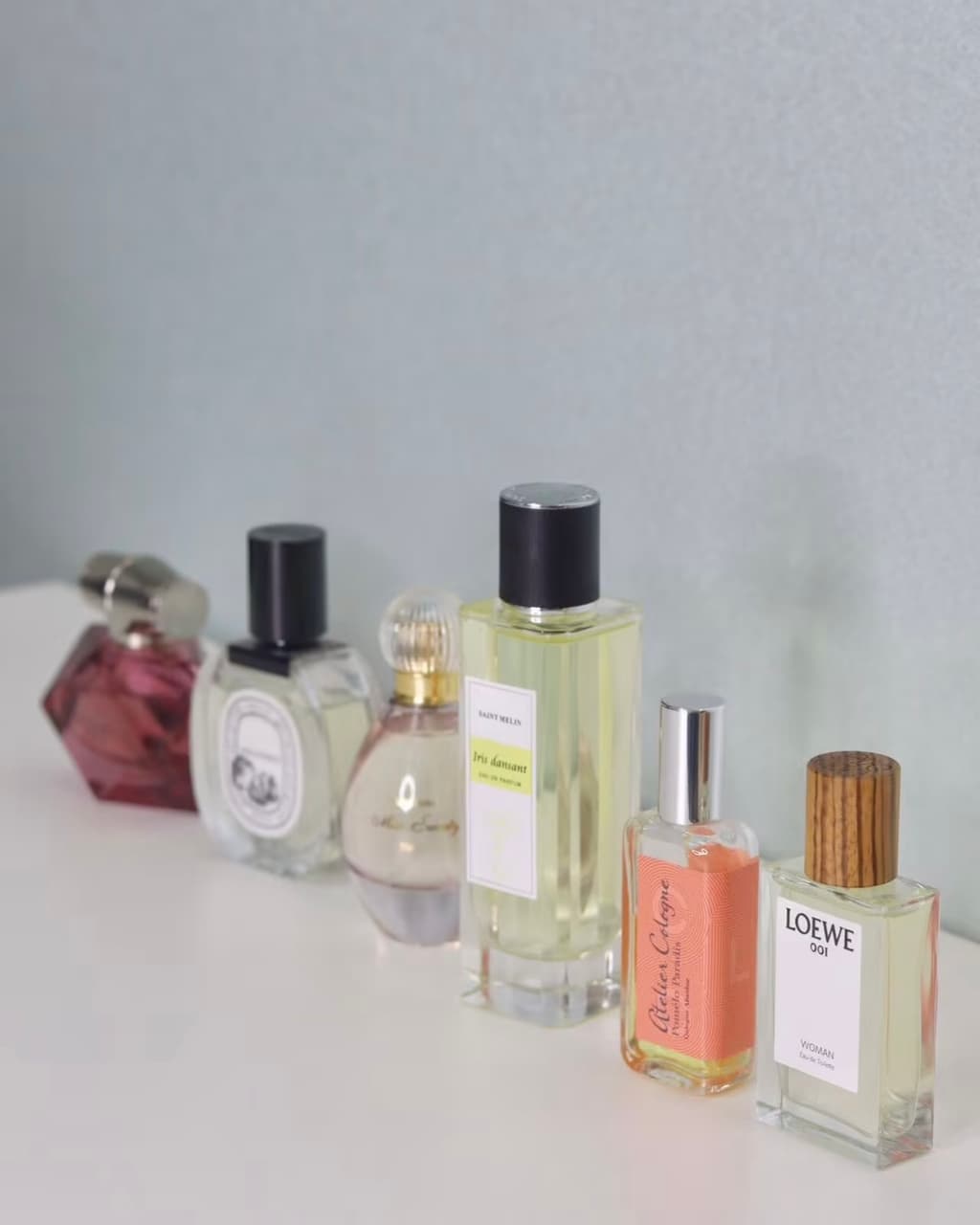
Alcohol free perfume production is growing fast because clean beauty, sensitive-skin demand, and halal positioning are pushing brands to move beyond ethanol-based formulas. The short answer is simple: alcohol-free perfumes can be commercially successful, but they usually cost more to develop, need tighter microbial control, and often have a shorter shelf life of around 12-18 months rather than the 3-5 years many alcohol-based fragrances can reach. WowSticker (wowsti.com) has years of factory-direct experience in custom labels, stickers, and packaging decoration for perfume and cosmetics brands worldwide, and that packaging view matters because formula choice changes labeling, decoration, and material durability. For founders planning a launch, the practical takeaway is to budget for more formulation work, more stability testing, and more protective label materials from the start.
Need pricing for perfume bottle labels, cap badges, or premium decoration?
Send us your specs for Vinyl, UV DTF, or Nickel Stickers.
As of 2025, the global alcohol-free perfume segment is projected to grow at about 7.5% to 9% CAGR through 2030, helped by MENA demand for halal perfume manufacturing and by European and North American clean-label positioning. But the formulation economics are different from standard eau de parfum. Traditional perfume often relies on 70-80% ethanol to dissolve fragrance oils, improve spray performance, and suppress microbial growth. Once alcohol is removed, brands usually move toward water-based, oil-based, or hybrid systems that depend on surfactants, solubilizers, higher preservative loading, and more process control. That is why many indie founders underestimate both water based fragrance cost and the non alcoholic perfume formulation challenges that appear during scale-up.
Alcohol free perfume production is harder because removing ethanol creates three immediate problems: mixing, preservation, and spray performance.
In a standard alcohol perfume, ethanol does several jobs at once. It dissolves perfume oils, flashes off quickly after spraying, helps project scent, and reduces microbial risk. In alcohol free perfume production, those functions must be replaced by a combination of water, carrier oils, surfactants, solubilizers, chelators, preservatives, and equipment control. That adds both formula complexity and production risk.
Water-based systems need surfactant process control
Fragrance oil and water do not stay mixed on their own. For water-based sprays, formulators often use surfactants or solubilizers such as PEG-40 Hydrogenated Castor Oil or similar systems to create a clear or slightly translucent product. In practice, the process may require high-shear mixing, controlled addition sequence, and temperature management within a narrow window such as 20-30°C during blending. If mixing energy is too low, the formula can separate within days. If too high, foam and haze can become visible.
This is one reason many brands need 2-5 pilot batches before approving a final formula. A lab sample may look stable for 2 weeks, then fail at 45°C accelerated testing or after freeze-thaw cycles. For B2B buyers, this means a development calendar of 6-12 weeks is common even before artwork and packaging are approved.
Oil-based systems solve one problem but create another
Oil-based perfumes, including rollerball formats, avoid water-phase microbial issues but often deliver lower atomization and different scent diffusion. Fractionated coconut oil, jojoba oil, and other cosmetic carriers can support skin feel and halal-adjacent positioning depending on the full supply chain, but they usually cost more per liter than cosmetic ethanol. They can also feel heavier on skin and may stain porous materials if over-applied.
From a packaging point of view, no-alcohol formulas also change leakage risk. Alcohol-free perfume is commonly water-based or oil-based. Once these liquids spill, they damage ordinary paper labels differently than alcohol does. Water-based spills can cause edge lift, swelling, and ink blur, while oil-based spills can seep into paper fibers and leave translucent stains that are difficult to clean. For this reason, targeted Vinyl Sticker materials with waterproof or oil-resistant construction are a safer choice than standard paper labels for many perfume and cosmetics bottles.
Costs are higher mainly because preservatives, solubilizers, testing, and process time replace the low-cost functionality of ethanol.
When founders ask why alcohol-free perfume is more expensive, the answer is not only raw material price. It is the cumulative effect of more complicated processing, more testing, and sometimes lower line efficiency. Ethanol is a cheap multifunctional input. Once it is removed, several inputs must be added back to cover stability and safety.
| Cost Driver | Traditional Alcohol Perfume | Alcohol-Free Perfume | B2B Impact |
|---|---|---|---|
| Carrier/base | Often 70-80% ethanol | Water, carrier oils, or hybrid base | Usually more formulation work and more ingredients |
| Solubilization | Relatively simple oil dissolution | Requires surfactants or micro-emulsion systems | Higher raw material and development cost |
| Preservation | Alcohol provides antimicrobial support | Needs broad-spectrum preservative system | Preservative cost can increase by roughly 30-80% versus a low-water alcohol system, depending on formula |
| Shelf life | Often 36-60 months with strong system stability | Often 12-18 months for water-based products | More stock planning pressure |
| Testing | Standard stability and compatibility | More likely to require PET/challenge testing and tighter compatibility review | Added lab cost and launch time |
| Dispensing | Fine mist spray is easier | May need adapted pumps or rollerballs | Higher packaging selection work |
Preservative cost is one of the least discussed issues. In water-heavy perfumes, a broad-spectrum system is usually essential, and formulators may also add chelating agents to improve protection against microbial growth and metal-ion instability. Compared with a classic ethanol system, preservative-related cost can increase significantly because the formula is doing more microbiological work. On top of ingredient cost, challenge testing adds external lab expense and can delay launch if reformulation is needed.
A practical benchmark is shelf life. Many alcohol-based perfumes can target 36 months or more under suitable packaging and storage. Water-based alcohol-free products often land around 12-18 months. That shorter window affects inventory, distributor planning, and retail returns. For smaller brands, this can matter as much as raw material cost.
Packaging choices matter more for alcohol-free perfumes because formula spills, pump behavior, and shelf-life communication all change.
Packaging is not only a design decision. It is part of product performance. Water-based and oil-based perfumes behave differently on bottles, caps, and labels. A standard paper label that survives light alcohol exposure may still fail when repeatedly exposed to oil seepage or standing water around the shoulder and crimp area. That is why perfume and cosmetics brands increasingly specify Vinyl Sticker constructions for waterproof or oil-resistant performance, especially on travel sizes between 10ml and 50ml where handling frequency is high.
For example, a 30ml alcohol-free body mist sold in humid retail environments may face 3 common label risks: condensation, capillary seepage at the neck, and repeated finger oil contact. In those conditions, synthetic labels usually outperform paper in adhesion retention and print durability. Brands that also want premium logo transfer on caps or secondary packs may combine a Vinyl Sticker body label with UV DTF Sticker decoration for rigid packaging components.
| Decoration Option | MOQ | Unit Price (USD) | Lead Time | Notes |
|---|---|---|---|---|
| Vinyl Label 50x30mm | 1000 pcs | $18.29 per 1000 pcs | Typically 7-10 days | Waterproof option suitable for bottle labeling |
| UV DTF Sticker 50x30mm | 1000 pcs | $48.30 per 1000 pcs | Typically 7-12 days | Good for rigid surfaces and premium decoration effects |
Need pricing for perfume bottle labels, cap badges, or premium decoration?
Send us your specs for Vinyl, UV DTF, or Nickel Stickers.
For founders, the point is not that decoration is expensive. The point is that choosing the wrong label material can create avoidable rework. WowSticker often sees perfume and cosmetics projects where the formula team and packaging team work separately, then discover late in the process that the chosen label stock cannot handle oil rub, water splash, or repeated touching. Early coordination reduces relabeling cost and launch delays.
Regional demand is rising because halal, sensitive-skin, and clean-beauty trends all support alcohol-free fragrance launches.
The strongest commercial growth case for alcohol free perfume production is not only product novelty. It is market fit. In MENA, halal perfume manufacturing remains a major demand driver, especially for brands that want to align with religious expectations and avoid ethanol in finished fragrance systems. In Europe and North America, the growth story is more about gentle skin positioning, “free-from” claims, and wellness-oriented scent categories.
Market projections from global research summarized in 2025 place alcohol-free perfume growth around 7.5% to 9% CAGR through 2030. That outpaces many traditional fragrance growth estimates. The demand is especially visible in three segments:
- Baby and family fragrance products, where low-irritation positioning matters
- Clean beauty brands selling direct-to-consumer and through premium niche retailers
- MENA-focused collections using oil perfume, attar heritage, or water-based halal-friendly formats
However, commercial opportunity does not remove technical limits. One common issue is weaker projection or sillage compared with ethanol-based eau de parfum. Ethanol evaporates quickly and helps carry fragrance upward into the air. Water and oil bases diffuse differently, so the same fragrance concentrate may smell softer or sit closer to skin. Brands often need to reformulate concentration, top-note structure, or application format to keep consumer perception strong.
A realistic scenario: an indie brand launching into Dubai and London may want one fragrance profile in two delivery systems. The oil-based version can suit regional preferences and rollerball gifting, while the water-based mist can support sensitive-skin marketing in the UK. But that usually means two separate stability plans, two component compatibility reviews, and often two different label specifications.
The best way to control cost is to decide early whether the product is water-based, oil-based, or hybrid, then align testing and packaging to that path.
Many project overruns happen because the concept is broad but the technical route is unclear. “Alcohol-free” sounds simple, but from a production perspective it can mean several different systems. Each one changes cost, launch timing, and packaging requirements.
Option 1: Water-based fragrance
This route supports spray positioning and lighter sensory feel, but it has the highest complexity in terms of surfactant process, preservation, and clarity control. It is often the most sensitive to non alcoholic perfume formulation challenges such as separation, haze, and failed micro testing.
Option 2: Oil-based fragrance
This is often easier for basic physical stability, but it may require rollerball or dropper packaging and can reduce fine-mist spray performance. Carrier oils may raise raw material cost and can change dry-down perception on skin and fabric.
Option 3: Hybrid or advanced emulsion system
This route aims to combine lighter feel with better oil incorporation, but it usually needs more R&D and stricter process repeatability. It may make sense for brands targeting prestige clean-beauty retail, where premium price points can support added development spend.
| System | Main Benefit | Main Risk | Typical Shelf Life | Packaging Note |
|---|---|---|---|---|
| Water-based | Light feel, spray-friendly concept | Microbial risk, separation, haze | 12-18 months | Use waterproof labels and compatibility-tested pump |
| Oil-based | Simpler physical stability | Heavier feel, lower atomization, stain risk | Often 18-24 months depending on oil system | Rollerball or specialty pump often preferred |
| Hybrid emulsion | Balanced feel and brand differentiation | Higher R&D complexity and process sensitivity | Project-specific | Needs full component and label testing |
For labeling and outer-pack decoration, this early decision matters too. If the formula may leak, condense, or leave oily residue, synthetic materials are usually safer. That is why Vinyl Sticker solutions are frequently specified for alcohol-free perfume bottles, travel atomizers, and cosmetics packs where moisture and oil contact are realistic.
Need pricing for perfume bottle labels, cap badges, or premium decoration?
Send us your specs for Vinyl, UV DTF, or Nickel Stickers.
Alcohol free perfume production can work well, but only when brands budget for extra formulation time, stricter testing, and more suitable label materials.
The commercial rise of alcohol-free perfumes is real. Consumer demand is supported by halal positioning, clean-beauty trends, and sensitive-skin use cases. But from a production standpoint, removing ethanol shifts cost into surfactants, preservatives, process control, compatibility checks, and inventory planning. The biggest operational realities are higher preservative-related spend, more difficult mixing, and a shorter 12-18 month shelf-life target for many water-based systems. For packaging, bottle labels should be selected for real spill conditions, not just visual appeal. WowSticker and wowsti project experience across perfume and cosmetics decoration shows that waterproof or oil-resistant label choices reduce avoidable failure during launch and retail handling.
FAQ answers the most common sourcing, cost, and decision questions for alcohol-free fragrance brands.
What are the main alternatives to alcohol in perfume production?
The most common alternatives are water, fractionated coconut oil, jojoba oil, and hybrid emulsion systems. Water-based systems usually need surfactants or solubilizers to keep fragrance oils dispersed. Oil-based systems are simpler in some ways but often work better in rollerballs than fine-mist sprays. The best choice depends on target market, sensory feel, and packaging format.
Why is manufacturing alcohol-free perfume more expensive?
Because ethanol is a low-cost multifunctional ingredient. Once it is removed, brands usually need extra solubilizers, preservatives, microbial challenge testing, and more development cycles. Production may also require high-shear mixing or stricter process control. The total cost increase often comes more from added complexity and testing than from fragrance oil alone.
Does alcohol-free perfume have a shorter shelf life?
In many cases, yes. Water-based alcohol-free perfumes often target about 12-18 months, especially if they rely on preservative systems rather than ethanol for microbial control. By comparison, many alcohol-based perfumes can achieve 3-5 years under suitable conditions. Actual shelf life must be confirmed by stability, compatibility, and microbiological testing.
How do formulators preserve water-based fragrances?
They normally use broad-spectrum preservatives, often paired with chelating agents and strict process hygiene. The exact system depends on pH, fragrance composition, and local compliance rules. Preservation is not only an ingredient question; packaging compatibility and filling cleanliness also matter. That is why challenge testing is common before commercial launch.
Which option is better for a startup brand: water-based or oil-based?
For a startup, oil-based perfume may be easier if the brand accepts rollerball or dropper packaging and wants lower physical instability risk. Water-based spray perfume can be more marketable in clean beauty, but it usually needs more R&D, more testing, and tighter quality control. Choose based on channel, claim strategy, and launch budget rather than trend alone.
Is the upgrade to waterproof or oil-resistant labels worth the extra cost?
Usually yes for alcohol-free perfumes. Water-based formulas can cause edge lift and print damage on ordinary paper labels, while oil-based leaks can stain and weaken paper facestocks. A synthetic label such as a Vinyl Sticker often costs more than basic paper, but the extra protection is usually cheaper than relabeling, returns, or poor shelf presentation.
What should I send before asking for a quote on perfume labels or decoration?
Send bottle size, label dimensions, MOQ, material preference, finish, application area, and destination country. If the product is alcohol-free, mention whether it is water-based or oil-based, because that affects material advice. Supplying artwork files, target lead time, and whether you need bottle labels, caps, or boxes quoted together will speed up pricing.
RFQ and Production Checklist
Before asking for a final quote, prepare a short production packet so the supplier can answer with fewer assumptions. For the rise of alcohol-free perfumes: production challenges and costs, the packet should connect the design goal with the real packaging surface and the launch plan.
- package type, bottle size, cap or box material, and application surface
- label, sticker, badge, or seal size in millimeters
- artwork format, color reference, finish preference, and logo placement
- sample quantity, first production quantity, and expected reorder range
- destination country, retail channel, and packaging compliance notes
- alcohol, oil, hand-contact, humidity, heat, or shipping-pressure exposure
- approval method: digital proof, real-surface sample, or retained control sample
- budget range, launch deadline, and packing requirements for finished pieces