The Real Cost Difference Between Labels and Direct Print
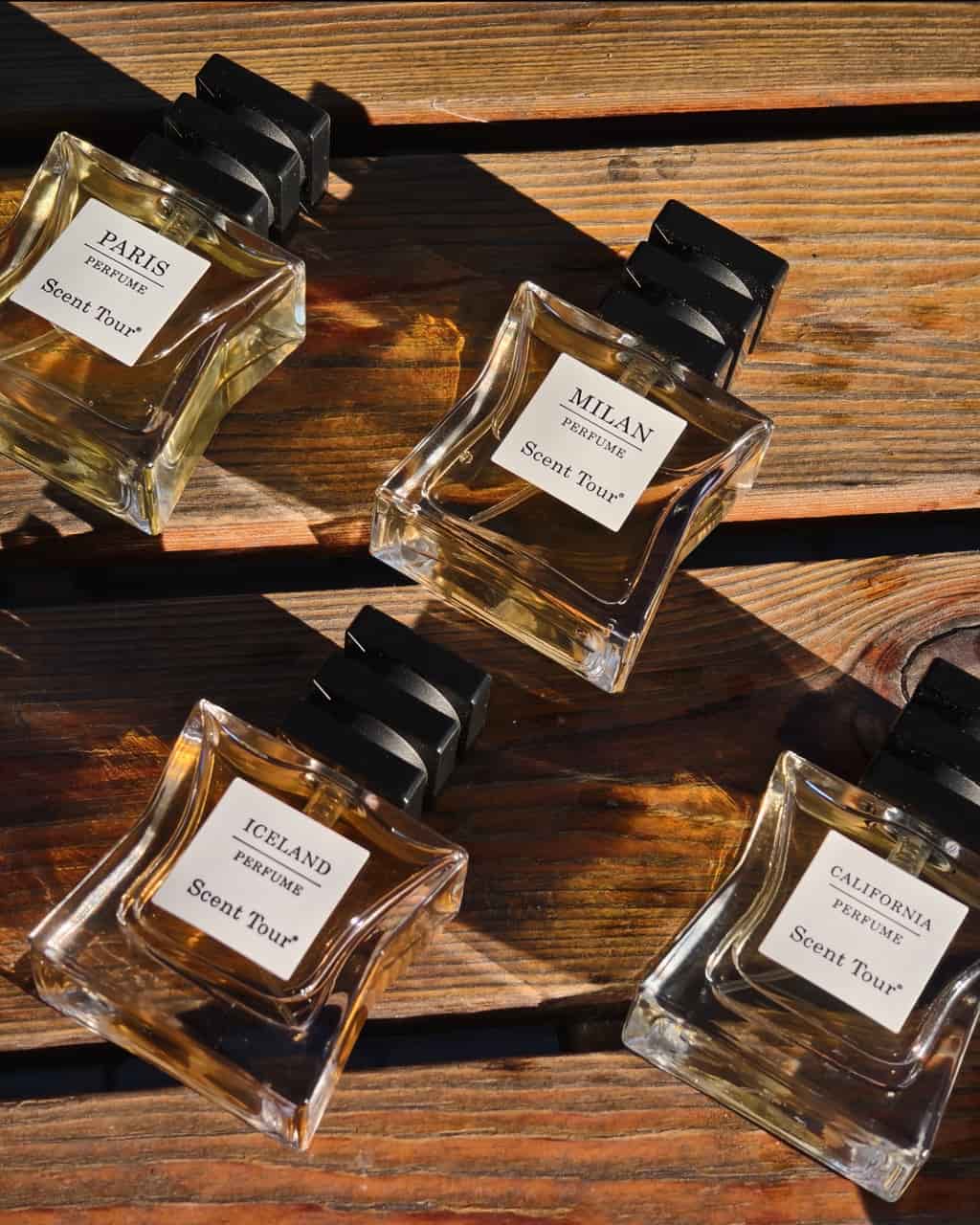
For most perfume and cosmetics brands, the short answer on labels vs direct print is simple: labels usually win on total cost, lower MOQ, and faster launch speed, while direct print only starts to make sense when volume is stable and bottle artwork will not change soon. WowSticker (wowsti.com) has years of factory-direct experience in custom labels, stickers, and packaging decoration for perfume and cosmetics brands worldwide, so this comparison is based on the real buying questions brands ask before production. In small-batch and high-flexibility projects, label solutions are usually the safer choice because they reduce setup fees, shorten lead time, and avoid pre-printed bottle inventory risk. If you are comparing perfume bottle decoration cost for a new SKU, limited edition, or test market launch, get your specs reviewed early.
Need pricing for perfume bottle labels, cap badges, or premium decoration?
Send us your specs for Vinyl, UV DTF, or Nickel Stickers.
The cost gap is not just about sticker price versus printing price. Buyers usually need to compare 5 cost items: unit decoration cost, setup fees, sampling cost, logistics, and defect allowance. There is also 1 major MOQ difference: adhesive labels can start from 500 units, while direct bottle printing usually starts from 1,000 units and often much higher in Western markets. That is why the real decision is not only visual effect, but cash flow, inventory risk, and lead time.
Labels usually cost less overall than direct print for low to mid volumes. What is the real cost difference in labels vs direct print?
For B2B buyers, the most useful way to compare labels vs direct print is with a side-by-side total cost view. Source A factory data shows a clear pattern: labels have lower raw material cost, lower setup cost, lower sample cost, lower shipping weight, and lower MOQ pressure. Direct print can look premium, but it carries higher fixed costs and more restrictions.
| Feature | Custom Adhesive Labels | Direct Screen Print on Bottle |
|---|---|---|
| Typical MOQ | 500 pcs | 1,000 pcs minimum; 500 pcs often not accepted |
| Unit price at 1,000 pcs | $0.011 per pc | $0.166 per pc |
| Unit price at higher tier | $0.007 per pc at 5,000 pcs | $0.083 per pc at 3,000 pcs |
| Setup / plate fee | $0 to $27.59 | $41.38 per color |
| Sampling cost | $6.90 per design | $27.59 per design |
| Lead time | 3 to 5 working days | 7 to 12 working days |
| Domestic shipping to port | $20.69 per shipment | $55.17 per shipment |
| Recommended defect allowance | 3% | 5% |
| Flexibility after regulatory change | High | Low |
Using the source factory numbers, labels at 1,000 units are about 15 times cheaper per unit than direct bottle print. Even at higher volume, labels at $0.007 per piece versus direct print at $0.083 per piece show a large gap. For brands testing a new fragrance line, this changes the launch budget immediately.
The 5 main cost items all tend to favor labels in smaller runs. How do the 5 cost factors differ?
Most buyers only compare the visible decoration price. That misses the real total cost of ownership. The 5 cost items below matter more when you are comparing direct print vs sticker for perfume bottles, skincare jars, or cosmetic tubes.
1. Unit decoration cost
Factory data shows labels using PET or vinyl stock cost about $0.004 to $0.007 in raw material per piece, while direct print ink and solvent consumption are about $0.014 per piece before other process costs. At 1,000 units, a typical adhesive label is around $0.011 per piece, but direct print is around $0.166 per piece. That is the first major gap.
2. Setup and tooling cost
Labels can be produced digitally with $0 setup, or up to $27.59 if a die-cut mold is needed. Direct print requires about $41.38 per color for screen setup. A two-color bottle design can easily start with $82.76 before production begins. In the US and EU, Source B shows setup fees of $250 to $500 per color, which is even more restrictive.
3. Sampling cost
Sampling a label design costs about $6.90 per design, while direct print sampling costs about $27.59. That means direct print testing is roughly 4 times more expensive. If a startup brand is comparing 3 design directions, the sample spend could be about $20.70 for labels versus $82.77 for direct print from China factory data alone.
4. Logistics and handling cost
Labels ship light. Domestic shipping to port is about $20.69 per shipment for labels, versus $55.17 for direct print because glass bottles are heavier and need more careful packing. Packaging component costs also differ: labels need about $0.003 per piece for backing paper and bulk carton amortization, while direct-printed bottles need about $0.007 per piece for dividers to prevent scratching.
5. Defect allowance and waste
Labels typically need a 3% waste allowance for application errors. Direct print needs about 5% to cover print misalignment and bottle breakage. On a 10,000-unit order, that means planning 300 extra labels or 500 extra printed bottles. When the bottle itself is expensive, this waste factor becomes serious.
| Cost Item | Labels | Direct Print |
|---|---|---|
| Unit cost at 1,000 pcs | $0.011 | $0.166 |
| Setup fee | $0 to $27.59 | $41.38 per color |
| Sample cost | $6.90 | $27.59 |
| Shipping to port | $20.69 | $55.17 |
| Waste allowance | 3% | 5% |
Need pricing for perfume bottle labels, cap badges, or premium decoration?
Send us your specs for Vinyl, UV DTF, or Nickel Stickers.
Labels are usually the better option for startups, SKU-heavy brands, and short runs. Why does MOQ and flexibility matter so much?
The biggest operational difference in labels vs direct print is MOQ. Labels can start at 500 pieces. Direct print usually needs 1,000 pieces to begin, and in many Western factories the MOQ is 10,000 to 25,000 pieces. That is not just a production issue. It affects cash flow, warehouse space, and obsolete inventory risk.
For an indie perfume launch with 3 fragrances and 500 bottles each, labels allow each SKU to move in small batches. Direct print may not be accepted at all, or the buyer may be forced to order 1,000 to 3,000 bottles per SKU. If regulatory text changes or INCI details are updated, unlabeled stock is still usable. Pre-printed bottles are not.
This is where WowSticker becomes practical for small-batch and high-flexibility projects. A brand can source one blank bottle and then decorate variants with Vinyl Sticker, UV DTF Sticker, or Nickel Sticker depending on budget and finish target. That helps reduce SKU complexity while keeping visual differentiation across limited editions, tester bottles, and regional compliance versions.
Example scenario: startup fragrance brand
A startup wants 3 scent variants, 500 units each. With labels, the order can start at 1,500 labels across 3 designs, with lower sample cost and 3 to 5 day lead time after artwork approval. With direct print, each variant may need its own screen setup, higher sample spend, and a likely MOQ barrier. The startup saves cash and keeps redesign options open.
Example scenario: mid-size cosmetics group
A cosmetics group manages 10 SKUs across different markets. If every bottle is direct printed, inventory control becomes rigid. If bottles stay blank and market-specific decoration is handled through labels, the group can update language, claims, or promotion text faster. Procurement managers usually value this because dead stock is harder to explain than label rework.
Direct print can still be the right choice at stable volume, but only under specific conditions. When does direct print make sense?
Direct print is not wrong. It simply fits fewer situations. It makes more sense when annual volume is stable, artwork is unlikely to change, the bottle surface is suitable for printing, and the brand wants decoration integrated into the container itself. It can also help when application labor for labels becomes expensive in local markets.
Source B shows Western labeling costs can include $0.15 to $0.45 per unit for premium labels plus $0.10 to $0.25 per unit for 3PL or co-packer application. That means locally applied premium labels may reach $0.25 to $0.70 total per bottle. By comparison, Western direct silk screen costs run about $0.40 to $0.85 per bottle, but setup fees are much higher at $250 to $500 per color and MOQs are stricter. So direct print can become competitive only when the run is large enough and the artwork will stay fixed.
| Buying Situation | Labels | Direct Print |
|---|---|---|
| 500 to 1,000 pcs pilot run | Best fit | Usually not practical |
| Frequent artwork or compliance changes | Best fit | High risk |
| 10+ SKU product line | Best fit for flexibility | Complex inventory |
| Stable long-run production | Good | Possible fit |
| Need raised metallic branding | Use Nickel Sticker or UV DTF | Limited effect range |
| Need no-label visual look | Use clear label or UV DTF | Best natural fit |
Clear labels, UV DTF, and nickel badges can deliver a premium look without direct-print risk. What label options work best for perfume and cosmetics?
Many buyers ask whether they can get a luxury look without direct bottle printing. The answer is yes, depending on the finish target. For perfume bottle decoration cost, the decision should match both visual effect and production flexibility.
Vinyl Sticker for cost-sensitive runs
Vinyl Sticker is usually the lowest-cost option for durable branding and text. Source C pricing shows a 50x30mm vinyl label, 1,000 pieces, at $18.29 total, or about $0.018 per piece. This is suitable for startup fragrance lines, testers, promotional kits, and short-run cosmetics packaging.
UV DTF Sticker for direct-print style decoration
UV DTF Sticker is useful when a brand wants a print-on-bottle look without ordering printed bottles. Source C shows 50x30mm UV DTF stickers, 1,000 pieces, at $48.30 total, or about $0.048 per piece. It is more expensive than basic vinyl, but still often below the total cost and MOQ burden of direct print. This is a strong answer to the common search query direct print vs sticker.
Nickel Sticker for metallic premium branding
Nickel Sticker works well for cap badges, logos, and premium brand marks where a metallic raised effect is needed. Direct printing cannot create the same dimensional metal feel. For prestige perfume lines and cosmetics gift sets, nickel labels are often used on caps, lids, or outer packaging to elevate shelf presence.
| Decoration Option | Best For | Reference MOQ | Reference Price | Visual Effect |
|---|---|---|---|---|
| Vinyl Sticker | Low-cost bottle labels, text, compliance | 1,000 pcs example | $18.29 per 1,000 pcs | Clean, durable, flexible |
| UV DTF Sticker | No-label look, premium graphics | 1,000 pcs example | $48.30 per 1,000 pcs | Gloss, direct-print style |
| Nickel Sticker | Metallic logo, cap badge, luxury detail | Spec-based | Quote by design | Raised metal effect |
What to send for a faster quote
To compare labels and direct print accurately, send these details:
- Size or dimensions of the label area or bottle print area
- MOQ or target order quantity
- Material preference: vinyl, clear, UV DTF, nickel, or direct print reference
- Finish or surface treatment: matte, gloss, metallic, embossed effect
- Application scenario: perfume bottle, cosmetics jar, cap badge, gift box
- Delivery country and target timeline
Need pricing for perfume bottle labels, cap badges, or premium decoration?
Send us your specs for Vinyl, UV DTF, or Nickel Stickers.
For most buyers, labels are the lower-risk choice until volume is proven. How should you decide?
If your project is below 3,000 units, has multiple SKUs, or may change text after compliance review, labels are usually the smarter choice. If your design is stable, volume is repeatable, and you want decoration built into the bottle itself, direct print can be reviewed later. As of 2025, tighter margins and higher MOQ pressure make flexible decoration strategies more valuable, especially for perfume brands, cosmetics brands, and short-cycle launches.
WowSticker is often relevant at the point where buyers need factory-direct decoration without committing to rigid bottle inventory. That is especially true in small-batch and high-flexibility scenarios, where labels reduce setup exposure and allow faster version changes. For premium looks, combining clear or UV DTF bottle graphics with nickel cap badges can often deliver stronger visual impact than basic direct print alone.
FAQ
Which is better for a startup perfume brand: labels or direct print?
Labels are usually better for a startup because they allow lower MOQs, lower sample cost, and faster design changes. Factory data shows labels can start at 500 units, while direct print usually begins at 1,000 units and may not accept smaller runs. If cash flow is tight and artwork may still change, labels reduce risk.
What is the break-even volume between custom labels and direct bottle printing?
There is no single break-even number because it depends on color count, local application labor, and bottle sourcing. However, for China factory reference data, labels remain far cheaper through 1,000 to 5,000 units. Direct print becomes more realistic only when volume is stable, setup fees are spread over large runs, and artwork is fixed for a long period.
Which is better for frequent formula or regulatory text changes?
Labels are better when text may change. Blank bottles can still be used with updated labels, while direct-printed bottles may become obsolete. This matters for perfume, skincare, and cosmetics brands selling in multiple markets where compliance language, claims, or ingredient text may need revision after the first production plan.
Does direct printing on perfume bottles require a higher MOQ?
Yes. Based on source factory data, labels can start at 500 pieces, while direct print typically requires at least 1,000 pieces. In the US and EU, MOQs for direct printing are often much higher, around 10,000 to 25,000 units. This is one of the biggest reasons brands compare direct print vs sticker before launch.
Can I achieve a luxury direct-print look using stickers?
Yes. Clear labels and UV DTF stickers can create a close-to-printed look on glass or plastic, while nickel stickers add a raised metallic premium effect. For many beauty brands, this combination delivers the desired shelf appearance without the setup fees and MOQ restrictions of direct bottle printing.
What should I send before asking for a quote?
Send the bottle or decoration area size, order quantity, artwork file, preferred material, finish requirement, application method, and delivery country. If you are unsure whether labels or direct print fit better, also share your target launch date and whether the text may change later. That helps suppliers compare total cost more accurately.