Small-Batch Perfume Production Checklist Before You Approve Mass Filling
If you are preparing a small run, a solid perfume production checklist should cover formula stability, filling approval, packaging fit, and label durability before you release full-volume filling. For most indie and boutique brands, the highest-risk errors happen in just 4 overlooked packaging sync points: bottle neck and pump fit, label alcohol resistance, decoration adhesion, and carton-to-bottle version matching. WowSticker (wowsti.com) has years of factory-direct experience in custom labels, stickers, and packaging decoration for perfume and cosmetics brands worldwide, so this guide is built around the checks buyers actually need before signing off.
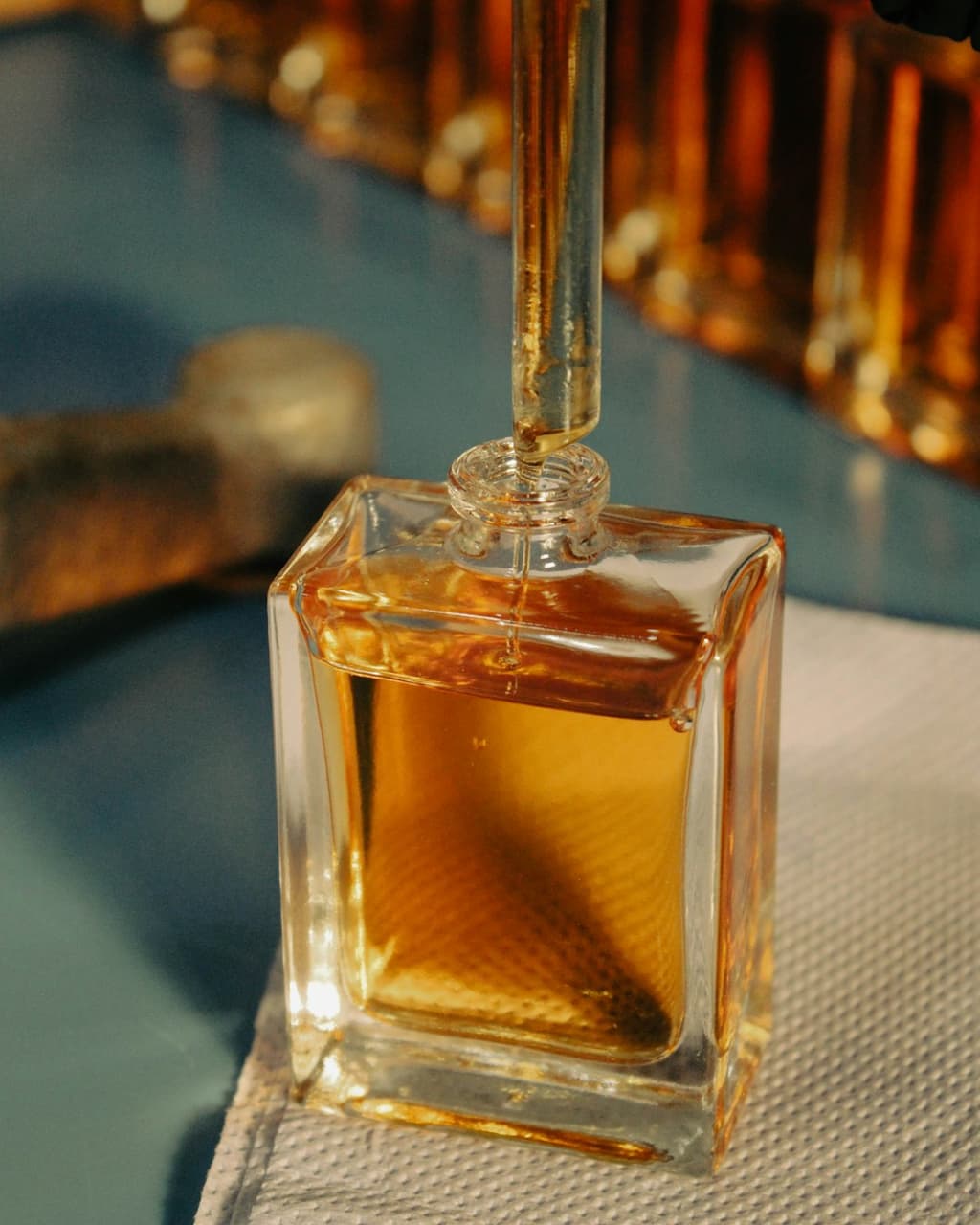
Use these 21 control points to review pilot samples, packaging components, and compliance files in one pass. If you already have bottle size, label specs, and MOQ, move faster by sending them now for a factory-direct review.
Need pricing for perfume bottle labels, cap badges, or premium decoration?
Send us your specs for Vinyl, UV DTF, or Nickel Stickers.
What should a perfume production checklist include before mass filling?
A complete answer is: 21 checks across formula, hardware, label, compliance, and pilot-run approval. For small-batch launches, that is the safest way to avoid leakage, artwork mismatch, and rework after filling starts. The practical goal is simple: approve only when liquid, bottle, pump, label, and box work together as one system.
The 21 items below combine the most important points from factory sampling practice and buyer-side QA. They also reflect a common issue in early 2025: many founders approve fragrance first, but forget packaging synchronization until the filling line is booked.
- Confirm final fragrance formula code and version number.
- Check maceration status and target rest period.
- Review liquid color, clarity, and sediment.
- Verify odor consistency against approved master sample.
- Run basic hot/cold stability review.
- Confirm bottle volume tolerance and fill line appearance.
- Match bottle neck diameter to sprayer specification.
- Test crimp or screw fit for leakage.
- Check spray output, mist angle, and actuation force.
- Confirm cap fit and pull-off force.
- Review decoration placement on bottle and cap.
- Check label copy, INCI, batch code, and barcode.
- Run alcohol resistance test on labels.
- Review adhesion strength of decorative parts.
- Confirm label application position on the bottle body.
- Check outer box SKU, scent name, and bottle match.
- Confirm insert, tray, or protective fit inside the box.
- Verify IFRA and market compliance documents.
- Approve pilot-run defect standard and AQL target.
- Lock shipping carton marks and destination labeling.
- Sign one final golden sample for mass filling release.
The 4 packaging sync points most often missed are items 7, 13, 14, and 15. Source A shows that if bottle neck diameter is not synchronized with the pump supplier before molding, adapter rework can cost about $690. That is a preventable cost on a small batch.
How do you check formula and filling readiness before approving a pilot run?
Start with scent stability, visual consistency, and one approved filled sample. A proper pre mass production perfume checklist should confirm that the fragrance is stable in its final formula and still performs correctly after resting, handling, and test spraying.
For most boutique perfume projects, filled sample preparation costs about $138 to $276, while empty packaging samples run $41 to $110. Sampling usually takes 7 to 10 working days. That is cheap compared with a failed bulk fill.
At this stage, buyers should check three things with hard evidence:
- Visual: no haze, no sediment, no unexpected color shift after storage checks.
- Performance: spray pattern stays even across at least 20 to 30 actuations.
- Reference: scent matches the signed benchmark after the planned maceration timeline.
If you are using a contract filler in the US, Europe, or UAE, ask for a retained sample from the pilot batch. This helps later if there is a dispute about odor drift or fill level variance.
Quote Request Template for Faster Review
- Size / Dimensions: bottle size, label size, cap badge size
- MOQ: 500, 1,000, 3,000 or more
- Material Preference: paper, synthetic, vinyl sticker, UV DTF sticker, nickel sticker
- Finish / Surface Treatment: matte, gloss, hot foil, emboss, raised metallic
- Application Scenario: bottle body, cap top, outer box, gift set tray
- Delivery Country: for lead time and shipping planning
Also include your artwork file, Pantone references, and whether you need alcohol-resistant label testing.
What packaging checks prevent leaks, rework, and label failure?
The direct answer is to test compatibility at the bottle, pump, cap, label, and decoration level together. A perfume filling approval checklist is incomplete if it only checks the fragrance and ignores hardware interaction.
| Check Point | Why It Matters | Typical Risk If Skipped |
|---|---|---|
| Bottle neck and pump match | Controls seal integrity and crimp fit | Leakage or $690 adapter rework |
| Label alcohol resistance test | Prevents ink rub and edge lifting | Damaged labels in transit or handling |
| Label application position | Keeps front-facing decoration centered | Visible misalignment on shelf |
| Decorative part adhesion | Ensures badges or emblems stay attached | Loose trim, returns, repacking |
Budget Estimator Disclaimer: All figures shown in USD, converted at the reference rate of 7.20 RMB = 1 USD at time of writing. These estimates are for planning only, not a formal quotation. Actual prices vary by specs, MOQ, finish, testing needs, and destination.
Source A also shows that switching from standard paper to synthetic waterproof labels adds only $0.02 per piece but can reduce damage claims by 12% during international shipping. For alcohol-based fragrance packaging, that upgrade is often justified.
This is where WowSticker is usually involved: checking the label alcohol resistance test, confirming the application position on curved or flat surfaces, and reviewing decorative attachment strength before production starts. For cap tops and bottle fronts, resin stickers and nickel stickers are common for premium looks, while UV DTF is useful for short runs without a custom mold.
Already comparing labels, cap decorations, and box finishes?
Send your artwork and bottle dimensions for a fast packaging review.
How much does small-batch perfume packaging approval cost?
Expect sample and packaging approval costs to be low in absolute dollars, but high in impact if skipped. The main cost drivers are MOQ, material choice, and whether you need filled samples, color matching, or custom hardware.
Ordering only 500 units instead of 1,000 units increases packaging cost per unit by about 28%. That is why small brands should review every spec before approving production; small runs have less margin to absorb error.
| Component | MOQ | Unit Price (USD) | Lead Time | Notes |
|---|---|---|---|---|
| Custom perfume label, waterproof | 1,000 pcs | $0.02-$0.05 | 7-10 working days sample | 500 pcs often adds about 30% surcharge |
| Standard sprayer pump | 1,000 pcs | $0.08-$0.17 | 20-30 working days mass | Confirm neck spec before approval |
| ABS cap | 1,000 pcs | $0.11-$0.21 | 20-30 working days mass | Pull-off and finish match matter |
| Rigid outer box | 1,000 pcs | $0.48-$0.83 | 20-30 working days mass | Version control with bottle SKU is critical |
| Filled sample approval set | Project basis | $138-$276 | 7-10 working days | Useful before final filling sign-off |
Budget Estimator Disclaimer: All figures shown in USD, converted at the reference rate of 7.20 RMB = 1 USD at time of writing. These estimates are for planning only, not a formal quotation. Actual prices vary by specs, MOQ, finish, testing needs, and destination.
Also budget for one-time extras like Pantone color matching at $69 per color, printing plate fees at $28-$69 per color, and storage beyond 7 free days at $7 per day. If your order is below 1,000 units, negotiate defect allowance down from the common 3% standard to 1% if possible.
Why does label QC matter so much before perfume mass filling?
Because labels are where many small-batch delays and customer complaints start. Source A notes that 65% of small-batch delays happen during label printing, and adding a 5-day proofing buffer prevents 90% of shipment delays. That makes the perfume label QC checklist a commercial issue, not just a design issue.
For perfume brands, the label must survive alcohol contact, hand friction, and transit. It also has to match the bottle curve and front-facing layout. A premium label that shifts 2 mm off-center can make the whole bottle look cheap.
Use this simple buyer checklist before approval:
- Text and legal copy match approved artwork.
- Batch code area is readable after printing.
- Color is consistent with the approved Pantone or proof.
- Adhesive holds after alcohol wipe and 24-hour rest.
- Placement guide is fixed for the filling line operator.
For startups, WowSticker can support short-run decoration using vinyl, UV DTF, or metal-look badge solutions without forcing luxury-brand MOQs that do not fit early-stage demand.
Need a quick QC review before you approve filling?
Share your bottle, label, and cap details for a practical factory-side checklist.
How should you make the final go or no-go decision?
Approve mass filling only after one signed golden sample, one checked document set, and one confirmed packaging match set are all in place. That is the practical end point of a reliable perfume production checklist.
If even one of the 4 sync points is still open, hold production. A one-week delay is usually cheaper than reworking filled stock, relabeling cartons, or replacing leaking pumps. As of 2025, small-batch perfume is growing with the wider niche fragrance market, but growth only helps brands that control execution. The next step is simple: consolidate your 21 checks into one approval file and release filling only when formula, hardware, label, and box are locked to the same version.
FAQ
How long should a small-batch perfume macerate before mass filling?
It depends on the formula, but many brands review the filled sample after a defined resting period before approving production. The safest approach is to compare scent, clarity, and spray performance against your master sample after the planned maceration timeline, then sign off only when the pilot sample stays consistent.
What should I send before asking for a quote?
Send bottle size, label dimensions, MOQ, material preference, finish, application position, and destination country. Also include artwork, Pantone references, and whether you need alcohol-resistant testing or premium decoration such as UV DTF or nickel badges. That shortens quoting time and reduces back-and-forth.
Which option is better for a startup brand: paper label or synthetic waterproof label?
For most alcohol-based perfume projects, synthetic waterproof labels are the safer choice. They add about $0.02 per piece based on Source A, but reduce damage claims by 12% in international shipping. If your run is only 500 to 1,000 units, avoiding rework usually matters more than saving fractions of a dollar.
Is a filled sample worth the extra cost before mass filling?
Usually yes. A filled sample costs around $138 to $276, but it helps verify scent, appearance, spray behavior, and package compatibility before full production. For boutique brands with limited inventory budgets, this is often the cheapest way to avoid a much larger failure after mass filling begins.
What are the most common reasons for perfume leaking in small-batch production?
The most common causes are neck and pump mismatch, weak crimping, cap fit issues, and pressure changes during shipping. In practice, many leaks start with a specification sync error between bottle and pump suppliers. That is why bottle neck review should happen before mold approval and pilot filling.