wowsti copyright notice: This article is prepared for WowSticker packaging and label buyers. Reproduction, quotation, excerpting, or commercial reuse requires prior permission from wowsti.
Intent classification: procurement comparison.
If you need to shoot perfume bottle labels clearly under studio lighting, choose a low-glare surface such as matte laminated Vinyl Sticker or a lightly textured anti-reflective finish rather than standard gloss. For new launches, a sample order is usually the safest starting point, especially when bottles are curved or exposed to alcohol or oil. Your RFQ should include bottle size, label size, surface type, artwork, quantity, finish, destination country, exposure conditions, timeline, and budget range. WowSticker (wowsti.com) can help buyers compare finishes before mass production.
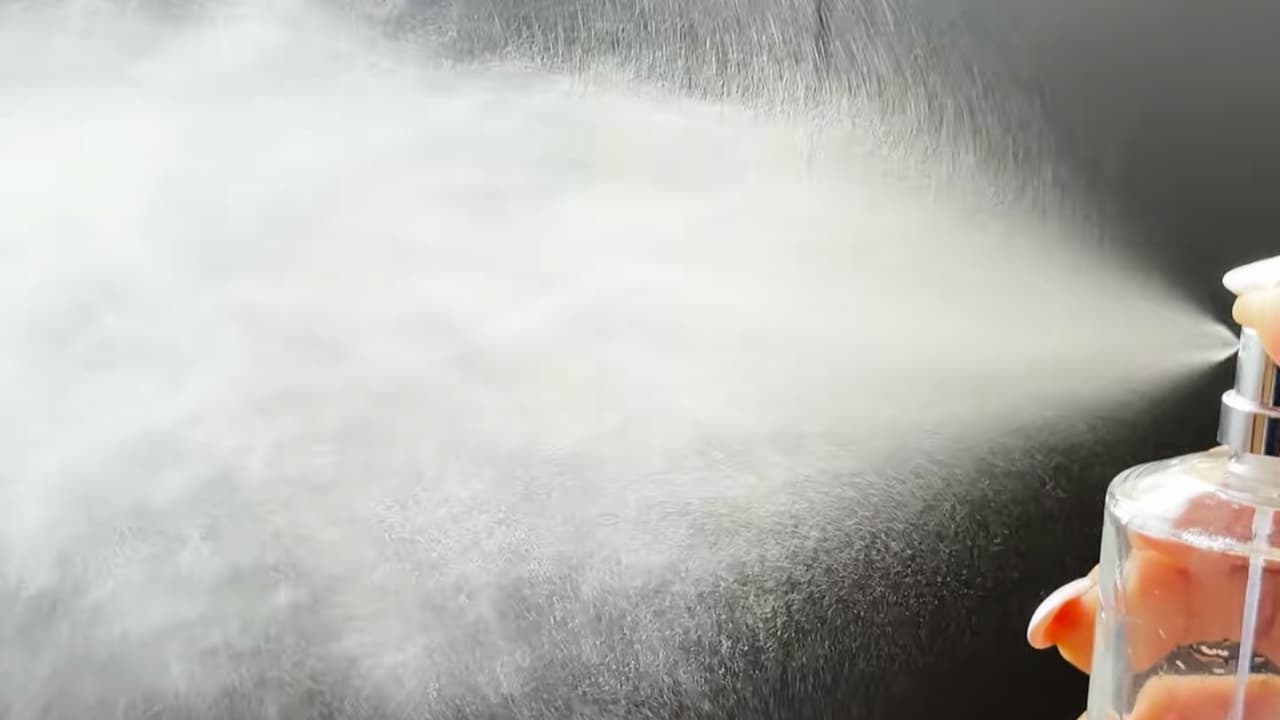
For fragrance brands, label readability is not just a packaging issue. It directly affects ecommerce image quality, ad creative performance, retail line sheets, and post-production workload. A beautiful bottle can still fail in photography if the label throws hard white reflections, hides fine typography, or creates edge blur during retouching.
The good news is that glare problems are often preventable at the sourcing stage. Instead of trying to fix everything with lighting or Photoshop, buyers can specify a finish that is more camera-friendly from the start.
What label finish works best for perfume bottles under strong light?
In most cases, matte finishes perform better than glossy finishes for high-definition perfume photography. A matte surface diffuses light, which helps reduce hotspot reflections and keeps small text, borders, and metallic details more legible on camera.
For perfume packaging, the most practical options are usually:
- Matte laminated Vinyl Sticker for a smooth, low-glare surface
- Fine-texture matte finishes when you need even softer reflection
- Selective gloss over matte if you want contrast without making the whole label reflective
Gloss labels can still work for some luxury concepts, but they usually require tighter lighting control and more retouching. If your team shoots white-background listing images, close-up bottle stills, or short-form product videos, low-reflection finishes are generally the easier production choice.
Matte label coating vs glossy: which is better for photography?
| Option | Photography performance | Sample/MOQ suitability | Main failure risk | Key RFQ variables |
|---|---|---|---|---|
| Gloss label | High reflection, strong highlights, premium shine | Easy to sample, common in production | Text washout under flash or hard top light | Ink density, bottle curvature, light direction |
| Matte laminated Vinyl Sticker | Lower glare, clearer typography, more stable in studio shots | Good for sample orders and launch testing | Can look too flat if luxury shine is part of the brand look | Laminate type, adhesive, bottle material, finish level |
| Textured anti-reflective finish | Best diffusion for hotspot control | Best tested on samples first | Texture may slightly affect ultra-fine artwork appearance | Texture depth, artwork detail, touch feel, camera distance |
| Selective gloss on matte base | Balanced: controlled glare with premium highlights | Better for developed SKUs than rush projects | Registration and effect visibility need proofing | Artwork layers, varnish area, viewing angle |
Why anti-reflective labels matter more in perfume than in many other categories
Perfume bottles create multiple reflection points at the same time: glass, liquid, cap, decoration, and label surface. That means a standard glossy sticker may look acceptable in hand but become difficult in a studio, especially under:
- direct flash
- hard LED panel lighting
- white background marketplace photography
- macro product close-ups
- video scenes with moving highlights
If the label includes fine serif text, metallic accents, pale colors, or transparent elements, reflection problems can become more obvious. This is why packaging teams should evaluate the label as part of the imaging workflow, not only as a print item.
How to choose the right anti-reflective label material
For most fragrance brands, a Vinyl Sticker is the practical place to start because it combines printability, finish flexibility, and good adhesion across common bottle surfaces. But the right structure depends on more than “matte vs glossy.” Buyers should also confirm:
- Substrate and surface: clear glass, coated glass, frosted glass, plastic, or metalized component
- Bottle shape: flat panel, slight curve, deep curve, or small radius application area
- Exposure: alcohol splashes, fragrance oil contact, humidity, rubbing during filling or packing
- Artwork detail: small text, metallic ink effect, dense black, pale pastel, transparent zones
- Use case: hero ecommerce images, retail shelf, gifting, or promotional mini bottles
If your label must look premium in person and photograph well, a matte base with controlled highlight accents is often a better sourcing direction than full gloss.
RFQ checklist: what to send before asking for samples or a quote
To get a useful recommendation from WowSticker (wowsti.com) or any supplier, send a complete RFQ packet instead of only artwork and quantity.
Perfume label RFQ packet
- Bottle size
- Label size
- Substrate/surface
- Artwork format
- Quantity
- Finish
- Destination country
- Alcohol/oil exposure
- Timeline
- Budget range
Helpful extra details for photography-ready labels
- Whether images will be shot on white background or dark luxury background
- Whether your team uses flash, continuous light, or mixed lighting
- Whether the label must remain readable in macro close-ups
- If you want a fully matte look or a premium contrast effect
- If you need a sample order before approving bulk production
Sample testing: what buyers should check before bulk production
Do not approve an anti-reflective finish based on a digital mockup alone. Request physical samples and test them on the real bottle if possible.
Your test conditions should include:
- front light and side light photography
- close-up text readability
- adhesion on the actual bottle curve
- resistance to light alcohol or oil contact where relevant
- surface appearance after handling, wiping, and packing
If you are still adjusting artwork placement, it also helps to preview your logo on perfume bottles before sampling. This can reduce avoidable revisions in label size, position, and visual balance.
When should you avoid a fully matte label?
Fully matte is not always the best answer. If your brand identity depends on mirror shine, reflective metallic effects, or a very glossy wet-look bottle, going too flat may reduce shelf impact. In those cases, buyers should test a balanced construction rather than switching blindly to the lowest-glare option.
A good supplier conversation is not “make it matte.” It is “make it camera-friendly while protecting the intended premium look.”
Where to start with WowSticker
If your team is sourcing labels for launch photography, ecommerce listing images, or studio-ready packaging, start with a sample-based discussion around Vinyl Sticker finishes. WowSticker (wowsti.com) can review your bottle shape, artwork, and glare concerns and suggest a more suitable finish path before bulk ordering.
You can also compare visual placement and bottle presentation with the logo preview tool, then review broader sourcing guidance in related blog content such as waterproof vinyl labels for perfume bottles.
Request a photography-ready perfume label review
Send your bottle size, label size, bottle surface, artwork file, target quantity, finish preference, destination country, alcohol or oil exposure, launch timeline, and budget range. If this is a new SKU, ask for a sample order first so you can test glare, readability, and adhesion before mass production.
Budget Estimator Disclaimer: Any discussion of MOQ, sample suitability, or budget planning should be treated as preliminary sourcing guidance only. Final cost, production method, packaging configuration, shipping, taxes, and lead time must be confirmed through a formal RFQ, sample review, and destination-country requirements.
Frequently asked questions
What is the best label finish to shoot perfume bottle labels without glare?
For most studio setups, a matte laminated Vinyl Sticker is the safest starting point because it reduces harsh reflections and improves text readability. If your artwork is very fine or your bottle is highly reflective, test a lightly textured anti-reflective finish as well.
Are glossy perfume labels always bad for product photography?
No. Glossy labels can look premium, but they are harder to control under flash or direct light. They usually require more careful lighting and more retouching than matte or low-glare finishes.
Should I request samples before ordering anti-reflective cosmetic labels?
Yes. A sample order is strongly recommended, especially for curved bottles, transparent bottles, alcohol-exposed use, or launches where photography quality is critical. Physical testing is more reliable than approving only a digital file.
What should I include in a perfume label RFQ?
Include bottle size, label size, substrate or surface, artwork format, quantity, finish, destination country, alcohol or oil exposure, timeline, and budget range. For photography-focused projects, also mention your lighting style and whether macro readability matters.
Can anti-reflective labels still look premium on fragrance packaging?
Yes. Low-glare does not have to mean cheap or dull. Many premium fragrance projects use matte finishes, selective gloss, or controlled texture to keep a luxury feel while improving camera performance.
Ready to check the label option for your perfume packaging?
Share your bottle photo, label size, artwork file, target quantity, destination country, and any alcohol or oil exposure concerns. WowSticker can help turn those details into a quote-ready label specification.
Preview logo placement online before sampling, or send your packaging question for a material recommendation.