How to Scale Home Perfume Business to Factory
The short answer: most indie fragrance brands should start factory transition planning when monthly output moves from 50 bottles toward 500-2,000 bottles, because the cost gap becomes operational, not just financial. At that stage, filling, crimping, labeling, and compliance work usually consume more time than scent development. WowSticker (wowsti.com) has years of factory-direct experience in custom labels, stickers, and packaging decoration for perfume and cosmetics brands worldwide, and one packaging change often signals the shift clearly: when volume rises, hand-cut paper labels stop working, and machine-applied or semi-automatic Vinyl Sticker labels become easier to apply and less likely to lift at the edges. If you are trying to scale home perfume business to factory without losing your brand look, now is the right moment to map formula, MOQ, packaging, and decoration costs together.
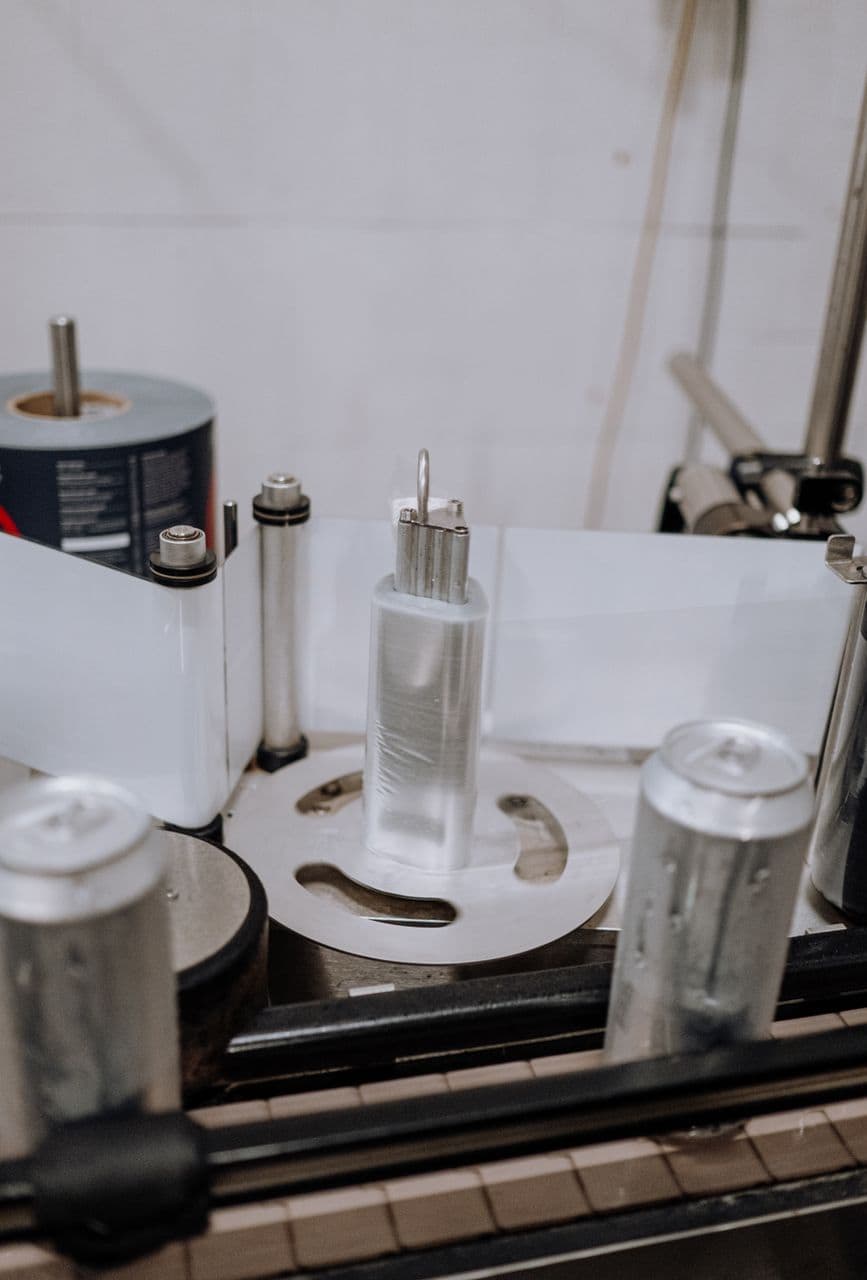
This case-study scenario follows a small fragrance brand moving from 50 hand-filled bottles per batch to a 2,000-bottle factory run over 6 months, including the three handcraft steps that had to be compromised, budget ranges in USD, and how packaging choices affected speed, defect rate, and shelf presentation.
Need pricing for perfume bottle labels, cap badges, or premium decoration?
Send us your specs for Vinyl, UV DTF, or Nickel Stickers.
Yes — the tipping point usually appears before 500 bottles, not after 5,000.
For many founders, the decision to transition from handmade to manufactured fragrance does not start with a factory quote. It starts with late-night bottling, stockouts, crooked labels, and damaged caps. In this scenario, the brand began with 50 bottles per drop, sold through Shopify and two local boutiques, then hit 180 bottles in one month after a social media spike. By month 3, demand reached 420 bottles across three SKUs. By month 6, a distributor requested 2,000 bottles for one scent.
At 50 bottles, home production still looked efficient. At 200 bottles, labor became visible. At 500 bottles, the founder was spending about 22-28 hours per batch on filling, resting, labeling, and packing. That meant creative work stopped. Wholesale outreach stopped. Customer service slowed down. This is the real reason founders decide to outsource perfume production.
The global fragrance market is projected to reach about $58.3 billion by 2030, with niche and artisanal fragrance growing faster than mass designer lines. That demand sounds positive, but small brands feel the pressure first through operations. A home process that feels artisanal at 50 bottles becomes unstable at 2,000 bottles unless each step is standardized.
Timeline of the scenario brand
| Month | Output | Main Process | Key Problem |
|---|---|---|---|
| Month 1 | 50 bottles | Fully handmade at home | Manageable labor, low consistency risk |
| Month 3 | 420 bottles | Home filling with outsourced components | Label alignment and cap fit issues |
| Month 4 | 600 bottles | Small-batch semi-manual workflow | Founder time consumed by packing |
| Month 6 | 2,000 bottles | Factory planning stage | MOQ, formula transfer, compliance |
The move from 50 bottles to 2,000 bottles changes both unit cost and failure cost.
The most important financial shift is not just lower unit economics at scale. It is the cost of mistakes. At 50 bottles, a labeling error may waste 10-15 units. At 2,000 bottles, a material mismatch can delay an entire launch window.
In this scenario, the brand’s home-batch structure looked inexpensive at first because the founder did not fully cost labor. Once labor was priced even at a modest internal rate, the picture changed. Home production remained flexible, but not cheap.
Scenario budget: 50-bottle home batch vs. 2,000-bottle factory run
| Cost Item | 50 Bottles Home Batch | 2,000 Bottles Factory Run | Notes |
|---|---|---|---|
| Fragrance oil and alcohol | $180-$260 | $3,800-$6,200 | Depends on concentration and oil grade |
| Bottle, pump, cap | $95-$160 | $1,800-$4,400 | Standard components reduce cost sharply |
| Outer box | $40-$90 | $700-$2,000 | MOQ and board finish matter |
| Label / decoration | $15-$35 | $40-$220 | Machine-applied labels reduce labor |
| Filling and assembly labor | $0 if uncounted / $180-$350 if counted | $500-$1,500 | Factory labor is paid directly; home labor is often hidden |
| Compliance documents | $0-$150 | $300-$1,500 | IFRA, SDS, market-specific documentation |
| Sampling and testing | $20-$60 | $200-$800 | Stability and compatibility checks become necessary |
| Total estimated batch cost | $350-$1,105 | $7,340-$16,620 | Wide range based on specs and market |
| Estimated cost per finished bottle | $7.00-$22.10 | $3.67-$8.31 | Before shipping, tax, and retail overhead |
Notice the pattern: the factory run requires more cash, but the unit cost can drop by 35%-60% if standard bottles, standard pumps, and repeatable labeling are used. This is why founders trying to scale up indie perfume often review packaging before fragrance changes. Decoration can either keep the line efficient or create a bottleneck.
For example, WowSticker pricing data shows that a 50x30mm Vinyl Sticker at 1,000 pieces is about $18.29, while a 50x30mm UV DTF Sticker at 1,000 pieces is about $48.30. For brands moving into semi-automatic or machine-assisted application, vinyl often becomes the more practical first upgrade because it is cost-efficient and more forgiving in handling.
| Decoration Option | MOQ | Unit Price (USD) | Lead Time | Notes |
|---|---|---|---|---|
| Vinyl Label 50x30mm | 1,000 pcs | $0.018 | Usually 7-10 days | Good for bottle application and anti-edge-lift performance |
| UV DTF Sticker 50x30mm | 1,000 pcs | $0.048 | Usually 7-12 days | Premium effect for select bottle zones or caps |
Comparing factory-ready label options for your perfume bottles?
Send bottle size, label size, MOQ, and destination for faster pricing.
Three handmade steps usually must change if you want reliable factory output.
Founders often ask what they will lose when they transition from handmade to manufactured fragrance. In most cases, three handcraft habits need to be compromised. Not because they are bad, but because they do not scale consistently.
1. Drop-based formula mixing must become weight and percentage formulas
A home recipe may say “14 drops jasmine, 8 ml alcohol, 2 ml accord.” A factory needs exact percentages, batch weights, raw material identification, and tolerance rules. If the formula is not translated correctly, the scent may drift by 3%-8% between batches. This is the first major risk when you outsource perfume production. It is also the first issue a good compounding partner will flag.
2. Closet maceration must become a controlled production schedule
At home, aging may happen in a dark cabinet for 2-4 weeks. In factory conditions, maceration is managed with repeatable timing, vessel controls, and batch records. The trade-off is less romantic, but far more stable. A batch scheduled for 2,000 bottles cannot depend on informal room conditions or memory.
3. Hand-cut paper labels must become production-ready labels
When output increases, manually cut paper labels stop being practical. They are slow to apply, easy to misalign, and more likely to curl or lift on curved perfume bottles. In volume production, machine-applied or semi-automatic Vinyl Sticker labels fit faster and resist edge lifting better. That is often one of the simplest but highest-impact upgrades for indie fragrance packaging. Some brands keep premium accents with Nickel Stickers on caps or cartons, but shift the main bottle label to vinyl for speed and consistency.
Factory transition works best when formula, compliance, and packaging are standardized together.
One reason small brands fail during scaling is that they solve only one problem at a time. They find a filler, but not a compliance path. They choose a premium bottle, but not a label material that runs well. They protect the formula, but ignore fit between bottle curvature and label stock.
In this scenario, the brand used a 30ml bottle with a mildly curved front panel. Early paper labels showed about 11% visible edge lift after 3 weeks in retail conditions. After shifting to vinyl stock sized at 50x30mm, defect complaints dropped to under 2% in the next sample round. For a 2,000-bottle launch, that difference mattered more than the label material cost itself.
What a scaling-ready factory pack should include
| Spec | Value |
|---|---|
| Formula format | Weight and percentage, not drops |
| Batch target | 500, 1,000, or 2,000 bottles per SKU |
| Documentation | IFRA reference, SDS, NDA where required |
| Packaging baseline | Standard bottle, pump, cap, and label dimensions |
| Label type | Vinyl for bottle body; optional premium accent for cap/carton |
| QC checkpoint | Fill level, leak test, adhesion, print alignment |
MOQ and partner selection depend on whether you need toll manufacturing or full contract manufacturing.
Many founders use the term factory too broadly. But the partner type changes cost and control.
Toll manufacturing
You supply some or all raw materials, such as fragrance oil or special ingredients, and the factory handles mixing, filling, or packing. This can protect scent control, but it increases coordination. It works best when the founder already has a stable formula and trusted raw material source.
Contract manufacturing or OEM perfume manufacturing
The factory sources materials, manages production, and often supports compliance documents and filling. This is simpler operationally, but IP protection becomes more important. Use NDAs, access control, and formula segmentation where possible. Ask clearly who can see full composition data and what records are retained.
Across the US and Europe, many perfume contract manufacturing programs still start at 1,000-5,000 units per SKU, with some facilities preferring 5,000-10,000. UAE suppliers can be more flexible on certain runs. Smaller brands should therefore target manufacturers that openly support pilot runs or development batches. A realistic bridge stage is 500-1,000 units for validation, then 2,000 units once repeat orders appear.
What to send for a faster perfume packaging quote
Prepare these details before asking for decoration or label pricing:
- Label size or bottle dimensions
- MOQ in pieces per SKU
- Material preference: Vinyl Sticker, UV DTF, or metal-look accent
- Finish needed: matte, gloss, metallic, embossed-look, transparent
- Application method: hand apply, semi-automatic, or machine apply
- Use scenario: perfume bottle, cap top, carton, gift set, tester unit
- Delivery country and deadline
For bottle decoration, include a flat dieline or clear bottle photos with diameter and panel width. This reduces sampling errors and shortens quoting time.
Protecting scent identity is possible, but only if documentation is handled early.
One of the strongest buyer fears is formula theft. Another is compliance failure. Both are valid. The practical fix is not secrecy alone. It is process.
Before any larger production move, the scenario brand completed four steps over about 3 weeks: first, it translated the formula to percentages by weight; second, it signed an NDA with the blending partner; third, it requested IFRA-related support and SDS references for target markets; fourth, it locked bottle and label specs to avoid changes during document review. This reduced development loops from an expected 5-6 rounds to 3 rounds.
If you plan to scale home perfume business to factory for export, market rules matter. EU sales may involve REACH-related considerations. US retail still demands safety and labeling discipline. Retail buyers increasingly ask for traceability and consistent artwork placement. This is another reason packaging cannot be treated as an afterthought.
Common factory transition mistakes
| Mistake | Result | Typical Delay |
|---|---|---|
| Sending a home recipe in drops or teaspoons | Formula translation errors | 1-3 weeks |
| Changing bottle shape after label sampling | New adhesion and sizing tests | 1-2 weeks |
| No NDA or IP process before sample handoff | Trust and legal risk | Variable |
| Using decorative labels unsuited for line application | Slow assembly and higher defect rate | Ongoing operational cost |
Ready to standardize labels before your next 500-2,000 bottle run?
Share your bottle photo, label size, MOQ, and country for a practical recommendation.
The best next step is to test one factory-ready SKU before moving the full line.
The safest path is not a full switch. It is a controlled pilot. Start with one best-selling scent, one bottle size, one carton style, and one production-ready label spec. That gives you real data on fill accuracy, scent stability, application speed, and total landed cost. In the scenario above, the brand did not move all three SKUs at once. It tested one 30ml hero scent at 1,000 units first, then expanded after reorder confidence improved.
For packaging, the practical lesson was simple: premium appearance mattered, but repeatability mattered more. WowSticker support on bottle decoration is often most useful at this stage because label stock, sizing, and application method need to match actual production, not just a mockup. A founder may still keep high-end touches on gift boxes or caps, but the bottle label itself should be built for speed, adhesion, and low waste.
If your current process still depends on hand-filling weekends, manual trimming, and correcting crooked labels one bottle at a time, you are already in the transition zone. The smartest move is to standardize the variables you can control first, then approach manufacturing with cleaner data and a narrower brief.
FAQ: the most common decisions before scaling a fragrance brand
How do I convert a home perfume recipe for commercial factory production?
Convert every ingredient into weight and percentage, then define the batch size and acceptable tolerance. A factory cannot work from drops, spoons, or informal notes. Start with a lab sheet that lists each material, supplier code if available, concentration, and processing order. If your scent changes during scale-up, the issue is usually formula translation or raw material variance, not just the factory itself.
What is the average minimum order quantity for perfume contract manufacturing?
It varies widely by region and service level. Many US and EU manufacturers prefer 1,000-5,000 units per SKU, while some will only engage at 5,000 or more. Pilot-friendly partners may accept 500-1,000 units for development or first production. Packaging components often create the real MOQ limit, especially custom bottles, cartons, and pumps.
Which option is better for a startup brand: stay handmade longer or outsource sooner?
If demand is still under 100 bottles occasionally, handmade may remain workable. But if repeat orders are consistent, and the founder is spending more than 15-20 hours per batch on operations, outsourcing part of the process usually makes sense. Start by outsourcing the most repetitive steps first, such as filling or production-ready labels, instead of moving everything at once.
How do I protect my perfume formula when working with a third-party manufacturer?
Use an NDA, limit formula access to essential personnel, and document ownership terms before sample transfer. Some brands split sourcing so not every party sees every input. Also keep version-controlled records of your formula and revisions. Legal protection matters, but choosing a manufacturer with a clear process and traceable documentation is just as important.
What should I send before asking for a quote on perfume bottle labels?
Send the bottle dimensions, label size, quantity per SKU, preferred material, finish, application method, and destination country. If possible, include a bottle photo and dieline. For curved bottles, exact panel width and height help prevent adhesion or alignment problems. This is especially important when moving from hand application to semi-automatic or machine-assisted labeling.
Is upgrading to Vinyl Sticker labels worth the extra planning effort?
Usually yes, especially once output passes a few hundred units. Vinyl labels are often easier to apply consistently and less likely to lift at the edges on perfume bottles than hand-cut paper labels. The material cost increase is usually small compared with the labor saved and the reduction in rework, waste, and presentation issues on shelf.