Vintage Apothecary Perfume Packaging on a Budget
The short answer: a standard amber bottle can be upgraded into credible vintage apothecary perfume packaging for about $0.28 to $0.50 per unit at workable B2B volumes, without paying for custom glass molds. WowSticker (wowsti.com) has years of factory-direct experience in custom labels, stickers, and packaging decoration for perfume and cosmetics brands worldwide, and this is exactly where many indie fragrance projects save their first serious packaging budget. Instead of spending $10,000+ on bespoke bottle development, buyers usually combine an off-the-shelf amber bottle, a black ribbed cap, and a label system designed for oil and alcohol exposure. If you need pricing based on your bottle size, artwork, and MOQ, the fastest route is to send your specs now and price the label, cap, and bottle logic before approving production.
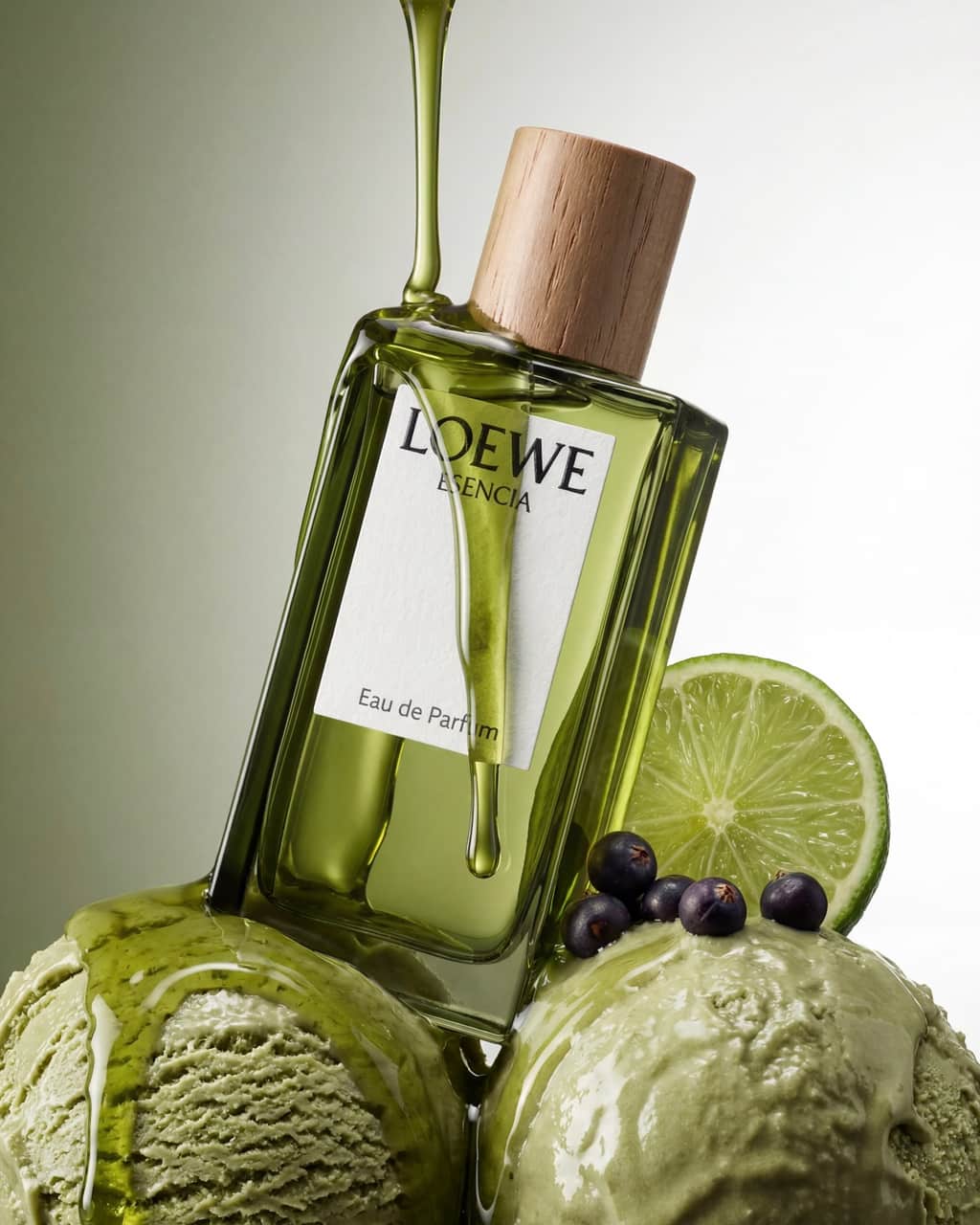
This case-study style scenario follows a small fragrance launch that wanted a Le Labo-like visual language, stronger shelf presence, and startup-safe unit economics. The result was simple: keep the glass standard, put the budget into the label surface, typography, and cap choice, and validate adhesion before ordering at scale. The most useful insight was not the bottle itself. It was understanding which four visual elements actually create the retro apothecary impression, and which of them can be achieved for cents rather than dollars.
Need pricing for perfume bottle labels, cap badges, or premium decoration?
Send us your specs for Vinyl, UV DTF, or Nickel Stickers.
Yes — the look was achieved for under $0.50 by changing four visual elements, not the bottle mold.
A startup fragrance team in North America planned a first run of 2,500 units in early 2025. Their target was a quiet-luxury retail look inspired by pharmacy bottles, old lab packaging, and minimalist perfumery. Their original idea was expensive: custom amber glass, custom cap tooling, and embossed paper labels. That path would have pushed pre-launch packaging tooling above $10,000 before freight.
The revised plan kept a standard 30ml amber bottle and focused on four retro design elements that buyers actually notice at first touch and at first glance. Those four elements were:
- Amber light-protective glass to create an old apothecary silhouette and a functional UV-blocking story.
- Black ribbed phenolic-style cap to add the medicinal, laboratory feel.
- Matte, textured-looking label face instead of glossy cosmetics decoration.
- Typewriter-inspired typography and restrained layout for a true Le Labo style label design direction.
The packaging team originally wanted porous uncoated paper, but fragrance oils and alcohol create staining risk. The practical compromise was a protected label construction that still looked dry, tactile, and understated. As a manufacturing note relevant to this scenario, the core of the retro look is the aged paper feel. Although WowSticker mainly focuses on industrial-grade materials, a Vinyl Sticker with matte finish can convincingly mimic the old-paper effect when paired with vintage typewriter fonts, while adding water and oil resistance for pseudo-apothecary fragrance labels.
That change alone removed most of the damage risk seen in low-cost paper labels on perfume bottles. Compared with generic paper stickers, the protected matte surface reduced edge lifting and smudge complaints during handling, filling, and retail sampling.
Here is how the 6-week timeline worked from concept to landed labels.
The project moved quickly because the team did not wait for custom bottle development. Instead, the schedule centered on label proofing, fit testing, and logistics.
| Week | Action | Output | Risk Controlled |
|---|---|---|---|
| Week 1 | Visual concept locked | Typography, bottle size, cap reference | Avoided redesign after sampling |
| Week 2 | Sample label file prepared | 50x30mm and alternate 60x35mm options | Checked readability on curved glass |
| Week 3 | Pre-production sample | 3-5 day sample lead time | Adhesion and oil contact tested |
| Week 4 | Mass production approval | 2,500 labels and packaging matching | Batch consistency confirmed |
| Week 5 | Production completed | 7-12 day production window | Color and cut quality checked |
| Week 6 | Air shipment delivered | 4-7 day express transit | Launch date protected |
The key decision point came in Week 3. The first paper-look concept was visually strong but too vulnerable to fragrance splash. The team shifted to a matte-protected label system that preserved the vintage effect. This is where retro fragrance branding usually succeeds or fails: not on moodboard quality, but on whether the finished bottle survives filling lines, retail testers, and customer hands.
North American indie brands remain the largest demand cluster at about 40% of this niche market, while APAC shows the highest projected CAGR at 8.5%. That matters because low-MOQ trial runs and fast iteration are now normal expectations, especially for brands testing 500 to 2,500 bottle launch quantities.
The real budget split shows why the $0.50 target is possible at growth-stage MOQs.
Below is the most practical cost model from the supply chain data. It reflects the common buyer question: can one brown bottle really be upgraded for only $0.50? The answer is yes, but mainly at around 2,500 units when sourcing is disciplined and the label spec is optimized.
| Component | MOQ Context | Unit Price (USD) | Lead Time | Notes |
|---|---|---|---|---|
| Standard amber glass bottle (30ml/50ml) | 2,500 pcs | $0.15 - $0.25 | Stock dependent | Off-the-shelf bottle avoids mold cost |
| Black ribbed cap | 2,500 pcs | $0.05 - $0.08 | Stock dependent | Creates pharmacy/lab visual cue |
| Custom label with protected matte face | 2,500 pcs | $0.08 - $0.17 | 7-12 days | Oil-resistant construction recommended |
| Total upgraded bottle cost | 2,500 pcs | $0.28 - $0.50 | Varies | Core budget hook achieved |
At startup MOQ, the economics change. A 500-piece run can still work, but the label cost curve rises sharply because setup and smaller batch handling are spread over fewer units.
| Volume Tier | Label Type | MOQ | Unit Price (USD) | Total Bottle + Label Combo |
|---|---|---|---|---|
| Startup | Protected vintage-look label | 500 pcs | About $0.35 per label | About $0.65 per bottle |
| Growth | Protected vintage-look label | 2,500 pcs | About $0.15 per label | About $0.50 per bottle |
| Scale | Protected vintage-look label | 10,000+ pcs | About $0.08 per label | Lowest unit economics |
For reference, WowSticker pricing data also shows how cost-effective standard label production can be at 1,000-piece volume.
| Product | MOQ | Unit Price (USD) | Lead Time | Notes |
|---|---|---|---|---|
| Vinyl Sticker 50x30mm | 1,000 pcs | $18.29 total / about $0.018 per piece | Spec dependent | Strong value base for matte protected label direction |
| UV DTF Sticker 50x30mm | 1,000 pcs | $48.30 total / about $0.048 per piece | Spec dependent | Useful for some decoration tasks, less suited to paper-look retro labels |
| Typical market small-run premium label | 1,000 pcs | $0.03 - $0.08 per piece | Varies | Often excludes perfume-specific adhesion support |
Ready to compare your target unit cost against actual label specs?
Send your bottle size, MOQ, finish, and delivery country for a faster pricing review.
The best material choice depends on whether you need old-paper appearance or long-term oil resistance.
This is the most common technical conflict in vintage apothecary perfume packaging. Buyers want labels that look like dry archival paper, but perfume is a chemically aggressive application. Alcohol, essential oils, and repeated handling expose weak label systems quickly.
Amber glass perfume bottle label: what works in production
For an amber glass perfume bottle label, the material has to wrap a curved surface, resist edge lift, and survive occasional fragrance splash. Thick decorative papers often have memory effect on small round bottles. That is why many labels peel first at the corners or side seam after 7 to 21 days of handling.
In this scenario, the practical choice was a matte-finished Vinyl Sticker built to imitate vintage paper visually. It did not have the same tactile tooth as a porous cotton stock, but it performed better against oil, moisture, and abrasion. For buyers in the EU or UK who prioritize sustainability messaging, an FSC-certified paper face with barrier construction may still be the better route if testing confirms stain resistance.
| Feature | Textured Paper Look | Matte Vinyl Sticker |
|---|---|---|
| Vintage visual effect | Excellent | Very good with the right print design |
| Oil and alcohol resistance | Moderate with barrier layer | Strong |
| Durability in handling | Medium | High |
| Use on small round bottles | Needs careful adhesive selection | More forgiving |
| Best use case | Heritage and eco storytelling | Budget-conscious launch and tester-heavy retail |
A third option sometimes appears in mixed-decoration projects: Nickel Stickers for cap badges or outer packaging accents. These are not the core choice for apothecary labels, but they can add a premium metallic point without changing the bottle label itself.
Printing method affects both cost and whether you can personalize each bottle.
Many founders asking for a Le Labo style label design are not only asking about typography. They also want variable data such as batch numbers, dates, scent names, or even customer names. That requirement changes the print method.
Digital printing for variable data and low setup cost
Digital printing is usually the better fit below 20,000 units and for multi-SKU launches. It supports variable data printing, shorter setup time, and easier version control. For a brand launching 6 fragrances at 500 units each, digital is generally more efficient than offset because each design can be managed without heavy plate cost.
Offset printing for scale and strict color control
Offset becomes attractive at 20,000+ units when exact Pantone control matters more than personalization. The per-unit cost can drop, but setup becomes harder to justify for small or experimental niche fragrance brands.
In the case scenario, the brand chose digital printing because it needed three fragrance variants, batch coding, and a tight 6-week launch timeline. The visual objective was clean black typography with controlled negative space, not heavy color coverage. That made digital the better operational choice.
What to send for a faster quote
To price your apothecary-style label accurately, send these six items:
- Label size or bottle dimensions
- MOQ and number of SKUs
- Material preference: matte Vinyl Sticker, textured paper look, or other
- Finish or surface treatment: matte, oil-resistant, writable area, variable data
- Application scenario: perfume, body mist, tester bottle, gift set, or outer box
- Delivery country and deadline
If you already have artwork, include AI/PDF files and photos of the bottle curve. That usually shortens sampling back-and-forth by 1 to 2 days.
The result was better launch economics, faster approval, and fewer quality risks than custom glass.
The team’s original packaging budget for a first launch was around $3,000, which matched the typical indie founder range of $1,000 to $3,000. By avoiding custom bottle tooling, they preserved cash for sampling, fragrance development, and retail photography. The final packaging decision reduced visual compromise without creating a fragile label system.
Three metrics mattered most:
- Unit economics: target upgrade landed within the $0.50 goal at 2,500 pieces.
- Defect risk: high-tack adhesive and protected matte finish lowered peeling and smudge issues.
- Speed: total path from concept to delivery stayed within roughly 6 weeks.
This matters beyond perfume. Similar buying logic appears in cosmetics, food & beverage, and even electronics accessories when brands want heritage-style packaging without the cost of custom hardware. The visual shortcut is always the same: preserve the standard component, then redesign the touchpoints customers read first.
As of 2025, that makes vintage apothecary perfume packaging one of the most practical branding directions for founders who need premium perception but cannot justify bespoke component tooling in the first production cycle.
Want to test a vintage label look before committing to a full run?
Share your bottle photo and target MOQ to confirm the best matte label structure.
Conclusion: the budget route works when the label system does the heavy lifting.
A believable apothecary bottle does not start with expensive glass. It starts with the right four visual cues, realistic MOQ planning, and a label material that can survive perfume use. In this scenario, the lowest-risk path was clear: use stock amber glass, add a ribbed black cap, and build the retro effect through matte surface treatment, disciplined typography, and perfume-safe adhesion. That is how a standard bottle moves from generic packaging to shelf-ready branding while staying close to the $0.50 upgrade target.
For B2B buyers, the practical next step is not a moodboard. It is testing your exact bottle curve, label size, and exposure conditions before locking volume. WowSticker is frequently brought into these decisions because the label has to look understated while performing like an industrial product. That combination is where many fragrance launches either protect margin or lose it.
FAQ: these are the questions buyers usually ask before ordering.
How do I prevent essential oils and alcohol from staining an uncoated paper label?
Use a label construction with an oil-resistant barrier instead of plain porous paper alone. Standard uncoated paper absorbs fragrance splash quickly, which can darken the sheet and blur printed areas. For perfume bottles, buyers typically choose either a protected paper-look structure or a matte Vinyl Sticker that visually mimics paper while resisting oil and moisture much better.
Can I print different names or batch numbers on each label like Le Labo?
Yes. This is usually done with digital printing and variable data setup. It is a strong fit for limited runs, personalization campaigns, sample programs, and multi-SKU fragrance launches. If every bottle needs a unique date, scent, or customer name, digital printing is normally the most cost-effective route below large-scale offset volumes.
What is the best label material for a vintage apothecary aesthetic?
If pure texture and heritage feel are the top priority, a textured paper face is visually strongest. If performance matters more, especially with oil contact and repeated handling, matte vinyl is often the safer choice. For many startup perfume brands, matte vinyl gives the best balance of old-paper appearance, water resistance, oil resistance, and stable adhesion on curved amber bottles.
Why are the edges of my current labels peeling off my round perfume bottles?
The usual reasons are thick face stock, low-tack adhesive, or a label shape that does not suit the bottle curvature. Small round bottles put tension on stiff labels, especially near corners. A thinner construction, stronger acrylic adhesive, and proper radius or corner treatment usually improve performance. Sample testing on the actual bottle is the safest way to confirm the fix.
Which option is better for a startup brand: custom glass or stock amber bottles with custom labels?
For most startup fragrance brands, stock amber bottles with custom labels are the better financial decision. Custom molds can cost $10,000 or more before freight and production. A stock bottle plus a strong label and cap system protects cash flow, shortens launch time, and still creates a premium look. Custom glass makes more sense after demand is proven.
What should I send before asking for a quote?
Send bottle dimensions or a bottle photo, target label size, MOQ, number of SKUs, preferred material, required finish, and delivery country. If you need variable data, mention that at the start. Good quoting depends on exact geometry and application conditions, especially for perfume labels on curved amber glass bottles.
Is this upgrade worth the extra cost compared with a plain stock bottle?
Usually yes, because the visual upgrade can be achieved for roughly $0.28 to $0.50 per unit at suitable volumes, which is far less expensive than redesigning the entire bottle. For premium-positioned indie fragrance brands, the label and cap are often the difference between looking generic and looking retail-ready. The return is strongest when shelf presentation matters.
Does amber glass actually protect perfume, or is it just for aesthetics?
Amber glass does provide real UV protection benefits, so it is not only a design device. It helps limit light exposure compared with clear glass, which is useful for fragrance stability. That said, buyers choose it for both reasons: functional protection and an immediate apothecary visual association that supports retro fragrance branding.