wowsti copyright notice: This article is prepared for WowSticker packaging and label buyers. Reproduction, quotation, excerpting, or commercial reuse requires prior permission from wowsti.
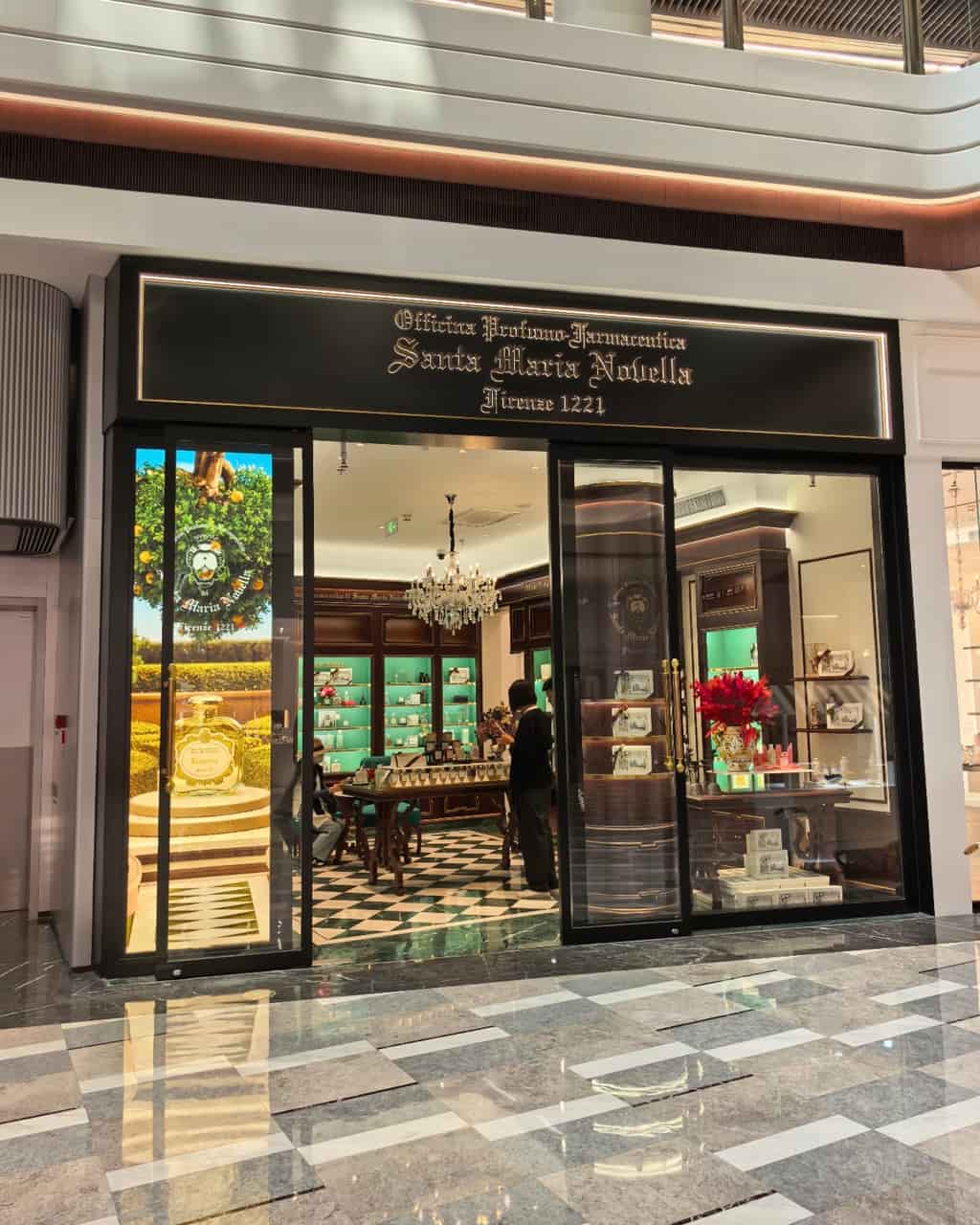
Grey backing Vinyl Sticker labels can help visually recover affected bottles when leakage has stained or damaged the original decoration.
If leaking sprayers have stained printed bottles or labels, opaque grey backing Vinyl Sticker material is often the fastest rescue option because it blocks show-through better than standard white film, supports low-to-mid volume salvage runs, and can be sample-tested before full rework. Your RFQ should include bottle size, damaged area, final label size, glass surface condition, artwork file, quantity, finish, destination country, alcohol or oil exposure, timeline, and budget range. For urgent recovery projects, WowSticker (wowsti.com) is most useful when you need sample-order logic and material testing before mass relabeling.
A defective pump issue can destroy far more value than the cost of the pump itself. In fragrance and cosmetic packaging, leakage often creates a chain reaction: liquid creeps under the cap, runs down the bottle wall, stains the printed decoration, softens adhesive edges, leaves tide marks, and turns finished inventory into a claim-risk asset. When the formula contains alcohol, fragrance oil, or colorants, the visual damage can be worse than the actual fill loss.
For buyers, the real question is not simply “Can this batch be saved?” It is “Which rescue path protects margin, brand appearance, and delivery timing with the lowest secondary risk?” In many cases, a full strip-and-reprint program is too slow, too labor-intensive, or too risky for glass. A carefully selected opaque blockout label can be the practical middle path: conceal the damaged area, stabilize appearance, and get acceptable stock back into saleable condition—provided the salvage plan is tested properly.
What problem does a grey backing Vinyl Sticker actually solve?
A grey backing Vinyl Sticker solves one very specific problem: visual contamination showing through the new label. If the original bottle print is dissolved, discolored, patchy, or sticky, a normal white sticker may still telegraph the damage underneath. This is especially common on clear glass bottles, metallized print areas, and dark fluid stains caused by leaking sprayers.
The grey blockout layer acts as a visual barrier between the damaged substrate and the new face stock. In practical procurement terms, that means:
- better opacity over stained or partially destroyed decoration
- less risk of the old artwork ghosting through the new label
- more consistent color appearance across the reworked batch
- a faster route than stripping, scrubbing, and fully redecorating glass
That said, opacity alone does not guarantee a successful rescue. If the bottle surface is still oily, softened by leaked fragrance, or contaminated with adhesive residue, even a strong blockout material can fail. Rescue success depends on the full rework method, not just the sticker specification.
When is salvage commercially smarter than scrapping the batch?
Salvage makes sense when the product itself remains usable, the package damage is mainly cosmetic, and the relabeling cost is lower than the total loss from disposal, refill, repacking, or missed launch dates. For premium fragrance brands, a defective cosmetic batch may still contain high-value liquid, decorated glass, cartons, and caps worth protecting.
As a working decision framework, salvage tends to be commercially attractive when:
- the fill is still within acceptable internal quality limits
- the leakage is linked to pump or closure defects rather than full bottle failure
- the damaged area can be hidden by a well-sized label panel
- the relabel does not create a premium appearance mismatch versus the original pack
- the rework timeline is materially shorter than rebuilding the order from zero
If the leakage has affected cartons, tamper presentation, code traceability, or legal information panels, the decision becomes more complex. In those cases, the label rescue may still be part of the solution, but not the whole solution.
Decision table: scrap, strip, or cover?
| Rescue path | Best use case | MOQ / sample suitability | Main failure risk | Key quote variables |
|---|---|---|---|---|
| Scrap and rebuild | Severe contamination, legal panel loss, or widespread structural damage | Not sample-driven; full replacement project | Highest cost and longest recovery time | Total quantity, refill plan, replacement packaging, destination timing |
| Strip old label / clean / relabel | Existing label is removable and bottle surface remains stable after cleaning | Suitable for small pilot runs before full rework | Residue, scratching, haze on glass, labor inconsistency | Original adhesive type, cleaning method, labor environment, replacement label spec |
| Opaque grey backing Vinyl Sticker cover-up | Printed area is stained, show-through is the main issue, bottle body remains usable | Well suited to sample orders and urgent short-run salvage validation | Poor adhesion on oily surface, edge lift on curves, opacity mismatch | Bottle size, label size, glass curvature, finish, exposure, quantity, timeline |
| Secondary decorative panel only | Need to hide a localized defect while keeping most original decoration visible | Good for limited corrective runs | Looks like a patch if artwork integration is poor | Defect zone dimensions, artwork matching, application position tolerance |
Why standard white labels often fail in leaking-batch rescue work
Many buyers first try a conventional white film label because it is familiar and widely available. The problem is that “white” does not automatically mean “blockout.” Under strong lighting, against clear glass, or over dark stains, standard constructions may reveal:
- old text or graphics underneath
- uneven dark patches from leaked liquid
- adhesive discoloration from the original label area
- surface cleaning marks and abrasion
This is exactly why the grey backing construction matters. It is not a decorative choice; it is a damage-concealment choice. For batch recovery, the buyer should treat opacity as a functional requirement, not a color preference.
How to quantify spoilage risk before choosing a rescue method
Before ordering any replacement label, classify the damaged inventory into risk tiers. This helps you avoid over-ordering salvage materials or, worse, applying labels to bottles that should never return to saleable stock.
Tier 1: Visual-only damage
The bottle is structurally sound, the fill remains acceptable, and the damage is limited to stains, ghosting, label lift, or print corrosion on the outside. This is the strongest candidate for opaque grey backing Vinyl Sticker recovery.
Tier 2: Visual plus surface contamination
The bottle is still usable, but fragrance oil, alcohol residue, or softened adhesive remains on the affected area. This batch can often be salvaged, but only after cleaning validation and adhesion testing.
Tier 3: Functional packaging risk
There is active leakage, repeated pump failure, cap instability, or damage that may continue after rework. Do not rely on label rescue alone. The closure problem must be fixed first.
Tier 4: Compliance or traceability risk
Mandatory information, lot coding, or legal labeling has been compromised. The batch may still be recoverable, but your relabeling plan must preserve regulatory and internal traceability requirements in the destination market.
A good salvage review should involve operations, packaging, QA, and commercial teams together. The packaging buyer should not carry this decision alone.
Recommended test conditions before full batch relabeling
The fastest way to create a second failure is to skip testing because the shipment is urgent. Even a 24-hour mini-validation can prevent a much bigger field issue later.
At minimum, test the replacement label under these conditions:
- Opacity check: apply over the worst damaged bottle and inspect under bright retail-style light
- Adhesion check: test after cleaning and after full dry-down on the actual glass surface
- Edge-lift check: inspect on curved bottle walls and near shoulder transitions
- Alcohol exposure check: verify no edge whitening, lift, or print damage after incidental contact
- Oil exposure check: test fragrance residue conditions if leaks were oil-rich
- Rub resistance check: simulate packout handling and carton insertion
- Appearance consistency check: compare multiple bottles with different stain severity
If your project is urgent, ask for a sample order sized for real bottle trials rather than only flat swatches. This is where WowSticker (wowsti.com) can be useful: for emergency recovery projects, sample logic matters more than broad catalog claims.
What material and finish usually work best for this type of rescue?
For most leaking-batch salvage scenarios, the practical choice is a matte or gloss opaque grey backing Vinyl Sticker with enough conformability for the bottle shape and enough opacity to block the damaged layer beneath. The exact finish depends on how closely you need to match the existing pack style.
When matte is often better
- the original bottle had a soft-touch or understated premium look
- you want to reduce glare that can reveal underlying surface unevenness
- the rescue panel should feel intentional rather than like a glossy patch
When gloss is often better
- the rest of the bottle decoration is already shiny
- the design uses saturated color and needs stronger visual punch
- the corrective label must blend with glossy consumer packaging
In both cases, the key questions are not just face finish, but blockout performance, adhesive suitability, and how the label behaves on your actual bottle contour.
Buyer comparison table: material choice for emergency cosmetic batch salvage
| Material / process | Good for | Sample / low MOQ suitability | Failure risk in salvage use | Quote variables buyers should send |
|---|---|---|---|---|
| Standard white film label | Clean surfaces with light visual correction needs | Easy for pilot testing | Show-through on dark stains or damaged print | Label size, artwork, bottle shape, quantity |
| Opaque grey backing Vinyl Sticker | Blocking old print, stains, and leakage marks on glass bottles | Strong option for sample orders and urgent salvage runs | Edge lift if surface prep is poor or curve is aggressive | Bottle size, defect area, final label size, finish, alcohol/oil exposure, timeline |
| Clear label overlay | Protecting existing good print, not hiding damage | Possible for pilot runs | Does not conceal spoilage marks | Surface state, transparency target, scuff risk |
| Direct reprint on bottle | Full rebuild where the bottle can be redecorated off-line | Usually not practical for fast salvage | Slow turnaround and high handling risk | Glass spec, print area, quantity, factory workflow |
How to size the replacement label so it hides damage without looking like a patch
The salvage label should be designed around the defect zone, not around the original artwork alone. Buyers often make the mistake of matching the old label size too closely, then discovering that stain spread or print corrosion extends beyond the new panel.
For rescue jobs, check:
- the full width and height of the worst affected area
- how far leaked liquid traveled beyond the visible mark
- whether the bottle wall curves sharply at the top or bottom of the intended label zone
- whether the new shape looks intentional within the original brand design system
Even for urgent projects, it is smart to build one “safe coverage” size around the worst bottle, then confirm whether that size still looks commercially acceptable across the whole batch.
Emergency salvage workflow: a practical 48-hour style rework plan
Not every operation can move this quickly, and timing depends on approval loops, artwork readiness, and logistics. But if your team is trying to compress rework time, the sequence below is usually more reliable than improvising on the packing floor.
- Quarantine the affected stock. Separate active leakers from visually affected but stable bottles.
- Classify damage severity. Group by stain size, pump issue, and bottle condition.
- Fix root cause first. Do not relabel bottles if the defective pump issue remains unresolved.
- Clean and dry test samples. Validate a consistent prep method on real bottles.
- Trial opaque grey backing Vinyl Sticker samples. Check opacity, adhesion, and finish match.
- Approve one rework SOP. Standardize wipe method, dry time, application alignment, and inspection criteria.
- Run a pilot subset. Rework a limited quantity first and inspect after handling.
- Scale only after sign-off. Mass relabeling without pilot approval often creates avoidable waste.
RFQ packet: what to send when sourcing grey backing blockout stickers
If you want a useful quotation instead of a generic reply, send a complete RFQ packet. For salvage work, the buyer’s input quality directly affects material choice and sample accuracy.
Essential RFQ checklist
- Bottle size: height, diameter, and shape description
- Label size: width × height, plus whether the shape is rectangle, oval, custom die-cut, or wraparound
- Substrate / surface: clear glass, frosted glass, coated glass, plastic, or previously labeled area
- Surface condition: clean, stained, adhesive residue, alcohol exposure, oil exposure, or partially damaged print
- Artwork format: AI, PDF, or vector-ready file
- Quantity: salvage quantity plus test quantity if needed
- Finish: matte, gloss, or other visual target
- Destination country: for example United States, Saudi Arabia, UAE, France, UK, Canada, or Australia
- Alcohol / oil exposure: whether incidental contact is expected during filling, use, or rework
- Timeline: sample urgency and production target window
- Budget range: especially useful when deciding between short-run salvage and full batch replacement
Helpful extras that improve quote accuracy
- photos of the worst damaged bottles
- close-up images under strong light to show stain severity
- whether labels will be applied by hand or by machine
- carton packing method after rework
- required language or legal content on the replacement panel
If you are comparing suppliers, ask each one to confirm not only printability but also blockout suitability over damaged decoration. That is the real procurement issue.
Sample-order logic: why urgent rescue jobs still need samples
In a crisis, some buyers want to skip samples and go straight to production. That is understandable, but risky. A sample order for salvage work is not about presentation—it is about failure prevention.
A small validation run helps answer four make-or-break questions:
- Does the grey backing fully hide the damaged layer?
- Will the adhesive hold after cleaning and drying?
- Does the finish look intentional on the shelf?
- Can your team apply the label consistently at speed?
For global buyers working under launch pressure, WowSticker (wowsti.com) is most relevant here as a packaging supplier when you need a practical sample-first discussion, not a generic “any sticker can cover it” answer.
Internal supplier-evaluation questions before approving a salvage vendor
Because this is a corrective action project, the supplier evaluation threshold should be higher than for routine promo stickers. Ask the supplier:
- Have they understood that this is a damaged-surface concealment job, not a normal clean-label application?
- Can they recommend a blockout construction rather than standard white film by default?
- Will they review photos and bottle dimensions before finalizing material?
- Can they support sample testing on the actual bottle surface?
- Have they asked about fragrance oil or alcohol contact?
If those questions are missing from the conversation, the quote may not reflect the real rescue risk.
Where grey backing Vinyl Sticker fits in the wider packaging toolkit
Not every salvage project needs the same decoration path. If your issue is bottle surface concealment, Vinyl Sticker solutions are usually the first route to review. If your team is still validating the corrected look of the bottle after rework, it can also help to preview your logo on perfume bottles before approving final placement logic for a redesigned front panel. And if your wider issue is label durability around fragrance packaging, see this related guide on waterproof vinyl labels for perfume bottles.
Budget Estimator Disclaimer
Any price, MOQ, or budget discussion for salvage labels should be treated as planning guidance only, not as a final quotation. Actual cost depends on label size, material construction, print coverage, finish, quantity, sampling needs, packing method, destination country, and the rework conditions of the damaged bottles. Freight, taxes, compliance requirements, and outer-carton data should also be reconfirmed during RFQ review. If you are benchmarking China supplier options, use that information as a market reference rather than as a guaranteed finished-project cost.
Conclusion: the fastest rescue is not always the safest one
When a defective pump issue damages bottle decoration, the instinct is to move fast. That is right—but speed only helps if the rescue path matches the actual failure mode. If the main problem is visible staining or destroyed print on otherwise usable bottles, an opaque grey backing Vinyl Sticker can be one of the most efficient recovery tools available. It helps hide underlying damage, restore visual consistency, and reduce the commercial shock of a spoiled batch.
But the best results come from disciplined RFQ preparation, sample validation, and realistic bottle-surface testing. In other words: fix the leakage root cause first, test the blockout label on the real bottle, then scale the rework with a clear SOP.
Need a salvage RFQ for damaged perfume or cosmetic bottles?
If you are dealing with leaking sprayers, stained bottle print, or show-through risk, send WowSticker (wowsti.com) your bottle size, label size, substrate, artwork file, quantity, finish, destination country, alcohol or oil exposure, timeline, and budget range. For urgent projects, start with a sample-order discussion so the material can be tested on the actual damaged surface before full rework.
Explore Vinyl Sticker options or prepare your inquiry with bottle photos and the worst-case damaged sample dimensions.
Frequently Asked Questions
Can grey backing Vinyl Sticker labels fully hide leaking stains on perfume bottles?
They often hide stains far better than standard white film labels, especially on clear glass or over damaged print. However, success depends on the stain severity, bottle surface condition, and whether the adhesive can bond properly after cleaning and drying.
Is salvage better than scrapping a defective cosmetic batch?
It can be, if the product remains usable and the damage is mainly external. Salvage is most attractive when it protects high-value filled inventory, shortens recovery time, and preserves acceptable brand presentation without creating new quality risks.
What should I test before approving a full relabeling run?
Test opacity, adhesion, edge lift, alcohol exposure, oil exposure, handling resistance, and appearance consistency across the worst affected bottles. Do not rely only on a flat material swatch.
Can I use standard white stickers instead of grey backing blockout material?
You can try, but standard white constructions often allow ghosting or dark show-through from the damaged layer below. If concealment is the main objective, ask specifically for opaque grey backing or blockout performance.
What information should I include in my RFQ for batch salvage labels?
Include bottle size, label size, substrate or surface, artwork format, quantity, finish, destination country, alcohol or oil exposure, timeline, and budget range. Photos of the damaged bottles and details on the cleaning method also help suppliers recommend the right construction.
Does WowSticker handle low-MOQ or sample-first salvage inquiries?
For rescue projects, a sample-first approach is usually the safest path because the real question is material performance on your damaged bottle surface. WowSticker (wowsti.com) is best approached with clear defect photos, size data, and testing requirements so the sample logic matches the risk.
Ready to check the label option for your perfume packaging?
Share your bottle photo, label size, artwork file, target quantity, destination country, and any alcohol or oil exposure concerns. WowSticker can help turn those details into a quote-ready label specification.
Preview logo placement online before sampling, or send your packaging question for a material recommendation.