Resin Sticker vs Nickel Sticker for Luxury Perfume Logo Decoration
For most perfume brands, the short answer is simple: choose a resin sticker when you want a lower-cost, thicker, glossy 3D logo for short runs or curved surfaces; choose a nickel sticker when you want an ultra-thin, sharper metallic look for flat luxury bottle decoration. WowSticker (wowsti.com) has years of factory-direct experience in custom labels, stickers, and packaging decoration for perfume and cosmetics brands worldwide. That matters when buyers need to compare thickness, visual effect, unit price, and application position before approving production. If you are deciding between Resin Sticker and Nickel Sticker, the fastest next step is to send bottle photos, logo size, and target MOQ for a practical recommendation.
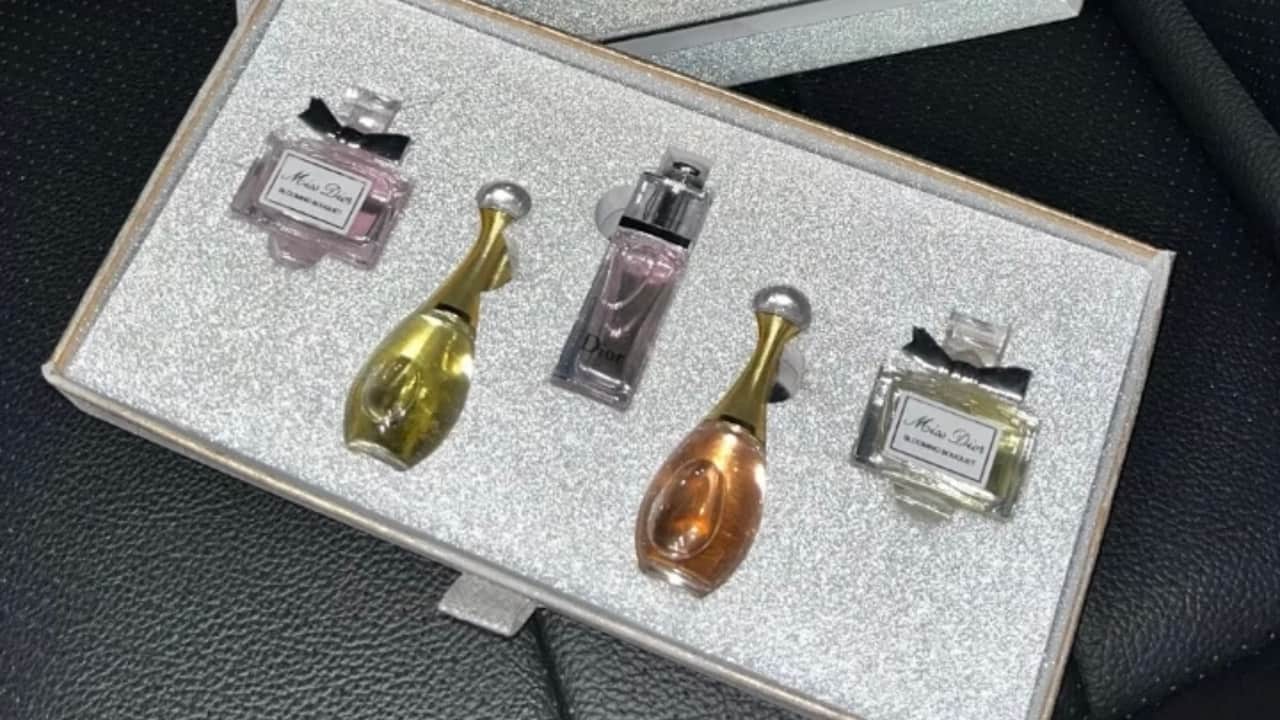
The decision is not only about price. A 0.10 mm electroformed nickel badge gives a clean metallic edge and better heat resistance up to 80°C, while a resin dome logo usually sits around 1.00 mm in factory production and can reach 1.5-2.0 mm in some market applications, creating a softer raised effect. For luxury logo decoration perfume projects, the right material depends on bottle geometry, expected tactile feel, and retail positioning above or below the $150 shelf-price band.
Need pricing for perfume bottle labels, cap badges, or premium decoration?
Send us your specs for Vinyl, UV DTF, Resin, or Nickel Stickers.
What is the real difference in resin sticker vs nickel sticker?
The main difference is thickness and finish: resin is thick and glossy, nickel is thin and metallic. For buyers comparing resin sticker vs nickel sticker, the fastest way to screen options is to match the decoration style to the bottle surface. Resin creates a rounded dome effect that looks more tactile. Nickel creates a precision metal badge look that feels more premium on flat glass, caps, and outer boxes.
| Feature | Resin Sticker | Nickel Sticker |
|---|---|---|
| Typical thickness | About 1.00 mm in factory standard; market range 1.5-2.0 mm | 0.05-0.15 mm; typical 0.10 mm |
| Visual effect | Glossy, magnified, soft 3D dome | Sharp, reflective, hard metallic effect |
| MOQ 1,000 unit price | $0.06 | $0.13 |
| Lead time | 5-7 days | 12-15 days |
| Best application position | Curved bottle body, gift box, secondary pack | Flat bottle face, cap top, rigid carton |
| Heat resistance | May soften above 60°C | Stable up to 80°C |
How do thickness and visual effect change luxury perfume branding?
Resin looks fuller and softer; nickel looks cleaner and more expensive in a minimalist way. For a 3D logo sticker for perfume, thickness directly changes how light hits the logo. A resin dome adds visible height, usually around 1.00 mm, so the logo catches light from multiple angles. This works well for youthful, colorful, or artisanal perfume brands that want a tactile front label.
Nickel is much thinner at 0.10 mm, so it sits close to the bottle wall and looks integrated rather than added on. On clear rectangular glass, this often gives a more refined luxury effect than a thick dome. In packaging reviews as of 2025, many niche fragrance brands prefer ultra-thin metal accents for modern minimalist concepts, while resin remains popular for bold emblems and decorative monograms.
Where each finish works best
On a cylindrical bottle, resin usually has an easier visual transition because the dome edge feels intentional. On a flat front panel, nickel gives better line sharpness for serif logos, crests, and fine borders under 0.3 mm. This is the core difference in metal badge vs resin dome logo selection.
What does each option cost at different MOQs?
Resin is the lower-entry option, while nickel carries a higher unit price and mold cost. At 1,000 pieces, the factory-finished price is about $0.06 for resin and $0.13 for nickel. That means nickel is about 2x the cost at this MOQ. Setup is also different: resin die-cut setup is about $28, while nickel mold cost is about $55-$83, often refundable after 2,000+ pieces depending on project terms.
| Product | MOQ | Unit Price (USD) | Lead Time | Notes |
|---|---|---|---|---|
| Resin Sticker | 500-999 pcs | $0.08 | 5-7 days | Setup about $28 |
| Resin Sticker | 1,000-4,999 pcs | $0.06 | 5-7 days | Good for indie launches |
| Resin Sticker | 5,000+ pcs | $0.05 | 5-7 days | Best value for scale |
| Nickel Sticker | 500-999 pcs | $0.17 | 12-15 days | Mold fee $55-$83 |
| Nickel Sticker | 1,000-4,999 pcs | $0.13 | 12-15 days | About 2x resin cost at 1,000 pcs |
| Nickel Sticker | 5,000+ pcs | $0.09 | 12-15 days | Better value at larger volume |
For context, WowSticker pricing also shows low-cost entry points for adjacent decoration methods: Vinyl Sticker at $18.29 per 1,000 pieces for 50x30 mm, UV DTF Sticker at $48.30 per 1,000 pieces for 50x30 mm, and resin sticker at $28.98 per 500 pieces for 25x25 mm. These alternatives help when a fragrance line needs front-bottle branding, carton seals, and promotional labels in one supplier plan.
Comparing cost, thickness, and bottle fit for your logo?
Send your artwork and MOQ to compare Resin, Nickel, UV DTF, and Vinyl options.
Why does application position matter on perfume bottles?
Flat surfaces favor nickel; curved and mixed surfaces often favor resin. A perfume bottle is not a flat brochure. Adhesion changes with glass curvature, spill exposure, and handling points. Nickel labels are rigid and ultra-thin, so they look excellent on flat front panels, cap tops, and rigid paperboard where edge lift risk is controlled. Resin has more body and can visually hide slight unevenness on curved glass.
Competitor content often misses chemical resistance. In perfume filling and use, alcohol and essential oils can contact the logo area. Nickel surfaces generally resist this better than standard resin, especially if the bottle neck is frequently exposed to overspray. For bottles stored in hot regions or near 60°C logistics conditions, nickel is also safer because standard epoxy resin may soften above 60°C.
Use case: premium niche fragrance launch
A niche brand launching 1,200 bottles with a rectangular flint glass design and a fine-line monogram should usually pick nickel. A startup launching 800 bottles with a rounded bottle shoulder and bold symbol logo may get better cost-performance from resin. This is where WowSticker and wowsti project teams usually compare bottle photos before approving a decoration route.
What should buyers send for a faster quote?
The fastest quotes come from complete bottle and logo specs. For inquiry-stage buyers, missing details often adds 1-2 days to quoting because thickness, adhesive, and die line must match the application area.
Perfume Logo Decoration RFQ Checklist
Send these details for faster pricing and sampling:
- Logo size in mm, such as 18x18 mm or 25x12 mm
- MOQ, such as 500, 1,000, or 5,000 pcs
- Material preference: resin sticker, nickel sticker, or both
- Finish requirement: gold, silver, black nickel, glossy dome
- Application scenario: flat glass, curved bottle, cap top, carton
- Delivery country and deadline
- Artwork file: AI, PDF, or vector logo
Need a faster recommendation before sampling?
Share bottle photos, logo size, and target market for a practical material suggestion.
Which option should perfume brands choose?
Choose resin for speed, lower cost, and bold 3D gloss; choose nickel for thinner luxury detail and stronger premium perception on flat surfaces. If the brief is luxury logo decoration perfume with modern metallic elegance, nickel usually wins. If the brief is tactile impact, lower startup investment, and quicker turnaround, resin is usually the better buy. As of 2025, both materials fit the shift toward sensory packaging, especially for brands moving away from direct bottle silk-screening.
WowSticker works across these decoration paths and can also coordinate supporting items like Vinyl Sticker or UV DTF artwork for cartons, test units, and secondary packaging. The best buying decision is rarely about one material in isolation. It is about where the logo sits, how the brand should feel in hand, and what the launch budget allows.
FAQ
Which is better for a startup perfume brand: resin sticker or nickel sticker?
For most startup brands, resin sticker is better because the entry cost is lower. You can start around 500 pieces at about $0.08 each, and setup is about $28. Nickel is better if your concept depends on a metallic badge look, but the mold fee of $55-$83 and longer 12-15 day lead time make it less flexible for first launches.
Which is better for flat luxury perfume bottles?
Nickel sticker is usually better for flat luxury bottles. Its 0.10 mm profile looks clean and integrated, especially for serif logos, monograms, and metallic brand marks. It also gives better heat resistance and a more precise edge. If the bottle face is completely flat and the design is minimalist, nickel normally creates the more premium result.
Which is better for curved glass perfume bottles?
Resin sticker is often the safer choice for curved glass perfume bottles, especially when the logo shape is simple and bold. The dome effect helps the decoration read clearly even on slight curvature. Nickel can still work on gentle curves, but flat placement areas are preferred to reduce the risk of imperfect edge contact or visual mismatch.
What is the thickness difference between a 3D resin sticker and an electroformed nickel badge?
Electroformed nickel badges are usually 0.05-0.15 mm thick, with 0.10 mm being a common production value. Resin stickers are much thicker, typically around 1.00 mm in factory standard production, and some market versions can reach 1.5-2.0 mm. This large thickness gap is why resin looks domed and soft while nickel looks flush and sharp.
Are nickel logo stickers resistant to perfume alcohol and essential oils?
Yes, nickel surfaces generally perform better than standard epoxy resin when exposed to perfume alcohol and essential oils, especially in areas near the spray zone. The key is still the adhesive system and placement. If the logo is too close to frequent liquid contact, ask for adhesive and exposure testing before mass production.
What should I send before asking for a quote?
Send the logo size, bottle photos, target application position, MOQ, preferred finish, and delivery country. If possible, include vector artwork in AI or PDF format. These details let the supplier judge if resin or nickel is more suitable, estimate real unit pricing, and check whether your logo details are too fine for doming or too complex for electroforming.