Private Label vs Custom Perfume: Which Model Has Better Margins?
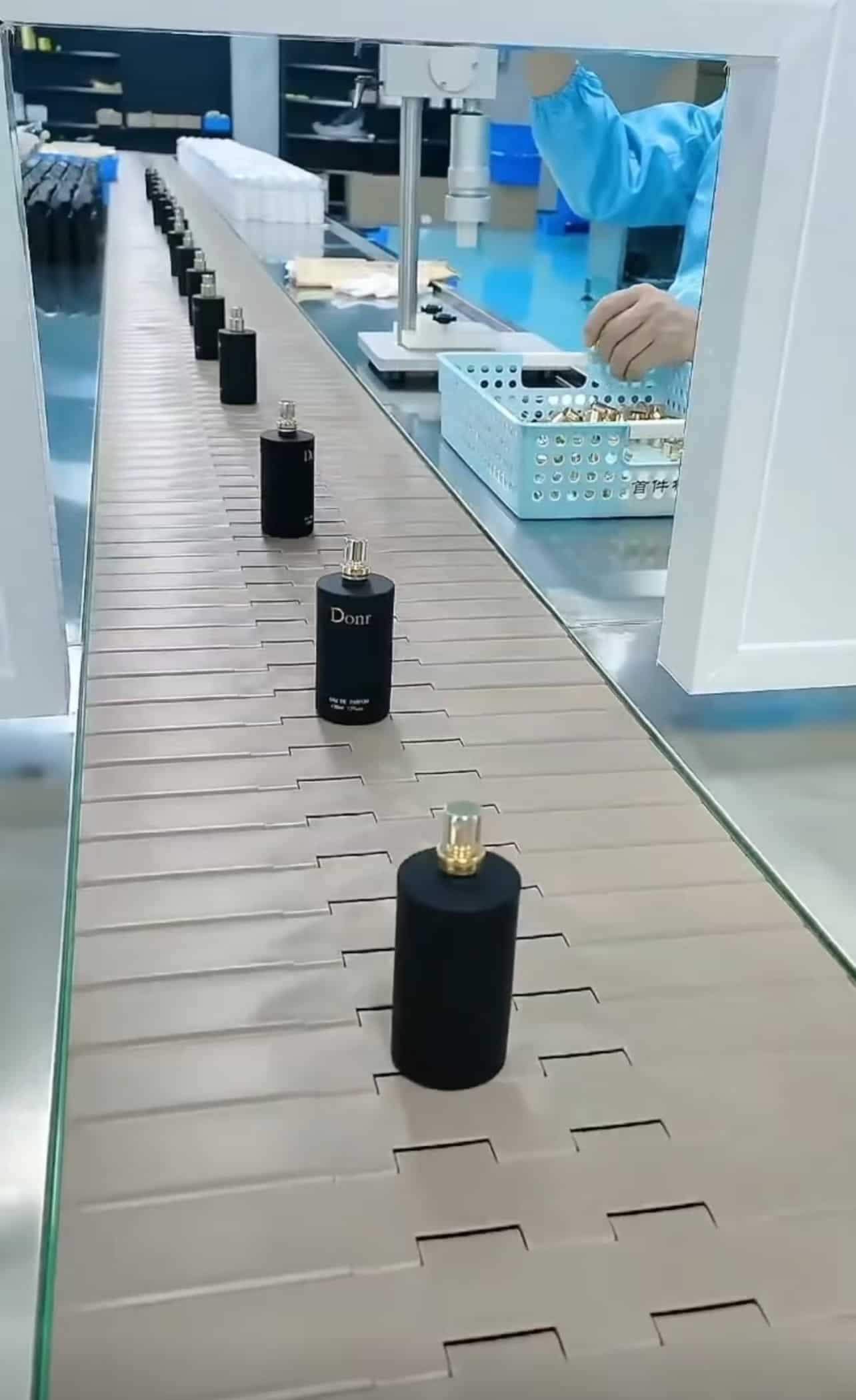
For most new and mid-stage brands, the short answer is simple: private label vs custom perfume usually favors private label for faster early cash flow, while custom wins on margin ceiling once volume, pricing power, and brand equity are strong enough. In practical terms, many launches start with gross margins around 45% to 80%, but the better model depends on whether you are testing at 500 units or building for 3,000 units and beyond. WowSticker (wowsti.com) has years of factory-direct experience in custom labels, stickers, and packaging decoration for perfume and cosmetics brands worldwide. That matters because label and decoration costs are small in the BOM, but they strongly affect perceived value, shelf impact, and retail pricing. If you are comparing launch models right now, use this page as a margin guide, then validate your packaging specs before production.
Need pricing for perfume bottle labels, cap badges, or premium decoration?
Send us your specs for Vinyl, UV DTF, or Nickel Stickers.
The margin question is not only about fragrance oil or bottle cost. It is also about setup fees, MOQ pressure, launch speed, compliance costs, and how premium your packaging looks on shelf and online. A 500-piece test batch behaves very differently from a 3,000-piece run. Data from China factory pricing in Q3 2024 and broader global fragrance market benchmarks as of 2025 show that private label is usually the lower-risk path for e-commerce testing, while custom perfume becomes more profitable when fixed costs are amortized and the brand can support a higher retail price. This article compares the two models side by side, including private label perfume margins, ownership, startup cost logic, and the impact of white label perfume packaging on premium positioning.
Private label usually delivers better early cash flow, while custom perfume offers a higher long-term margin ceiling.
The fastest way to compare private label vs custom perfume is to look at margin, MOQ, time to market, and control. Private label reduces upfront risk because the formula already exists and the supplier has absorbed much of the development work. Custom perfume raises upfront cost but creates exclusivity and a stronger premium story.
| Feature | Private Label Perfume | Custom Perfume |
|---|---|---|
| Typical gross margin | 60%–75% | 75%–90% at scale |
| Early-stage realistic margin window | 45%–70% | 45%–65% before scale |
| Best MOQ zone | 300–1,000 units | 1,500–5,000+ units |
| Launch speed | Fast | Slower due to development and approval |
| Formula ownership | Usually supplier-owned | Usually brand-controlled or contract-exclusive |
| Retail price ceiling | Lower to mid-premium | Mid-premium to luxury |
| Cash-flow pressure | Lower | Higher |
| Best fit | Bootstrap launch, market testing, trend-led sales | Brand extension, niche storytelling, premium positioning |
There are three realistic startup modes, and each creates a different margin profile.
Most fragrance launches fit one of three models: low-MOQ digital private label, bulk white-label scaling, or custom production with traditional printing and wider packaging control. These are the three startup modes behind the 45%–80% margin range.
1. Low-MOQ digital private label
This is the common bootstrap path. The formula is ready, the bottle is standard, and the brand customizes naming, label, and carton. It is usually the best route for 300–800 units, fast launches, and social-commerce testing. Because setup cost is low and digital print can run in 2–3 working days for label production, this model protects cash flow.
2. Bulk white-label with upgraded packaging
This is the bridge model. The juice may still be non-exclusive, but the brand improves bottle decoration, cap branding, label materials, and secondary packaging. This can raise perceived value without paying full fragrance development cost. It often performs well from 1,000 to 3,000 units, where private label perfume margins improve through better purchasing leverage.
3. Custom fragrance business model
The custom fragrance business model is more capital-intensive. It may include exclusive formula work, trial rounds, IFRA or market-specific compliance review, and custom packaging assets. Once volume and retail pricing are strong enough, however, it can outperform private label because the selling price ceiling is much higher. This is where luxury and niche storytelling create the biggest upside.
| Startup Mode | Typical MOQ | Time to Market | Margin Potential | Main Risk |
|---|---|---|---|---|
| Digital private label | 300–800 | 2–6 weeks | 45%–70% | Weak differentiation |
| Bulk white-label with premium packaging | 1,000–3,000 | 4–8 weeks | 60%–80% | Still limited formula exclusivity |
| Custom perfume | 1,500–5,000+ | 3–6 months | 55%–90% | High upfront cost and slower payback |
The 500 vs 3,000 unit comparison shows why scale changes the answer.
At 500 units, digital label cost is about $0.076–$0.104 per label. At 3,000+ units, standard offset or flexo drops to $0.011–$0.017 per label. That is a cost decline of about 78% from ¥0.65 to ¥0.11 equivalent in the source model.
| Metric | 500 Units | 3,000 Units |
|---|---|---|
| Label production method | Digital HP Indigo / Latex | Standard flexo / offset |
| Label unit price | $0.076–$0.104 | $0.011–$0.017 |
| Lead time for labels | 2–3 working days | 7–9 working days |
| Setup fee impact | High per unit | Low per unit |
| Working capital lock-up | Lower | About 5.5 extra days vs digital |
| Best model fit | Private label testing | Scaling or semi-custom/custom |
Comparing 500-piece tests vs 3,000-piece production?
Send your bottle size, label dimensions, and MOQ for Vinyl, UV DTF, or Nickel pricing.
Packaging and decoration do not dominate cost, but they strongly influence retail margin and brand perception.
One of the most overlooked facts in private label vs custom perfume analysis is that premium label cost is usually a small share of total COGS. Alcohol-resistant labels account for only about 3.5%–6% of a complete perfume BOM. That means decoration is one of the lowest-cost ways to move a product from “generic” to “brandable.”

品牌辨識度差異
For white-label products, the main risk is visual similarity. Switch from a basic film label to UV DTF on the bottle and a Nickel Sticker on the cap to achieve faster brand distinction.
| Decoration Option | Typical Use | Reference Price | Margin Impact Logic |
|---|---|---|---|
| Vinyl Sticker | Front bottle label, carton seal | $18.29 per 1,000 pcs | Lowest cost, good for testing and broad SKU rollout |
| UV DTF Sticker | Bottle branding, cap transfer, gift box logo | $48.30 per 1,000 pcs | Higher premium look can support a higher retail price |
| Nickel Sticker | Cap badge, luxury accent, rigid pack branding | Quote by spec | Best for luxury cues and stronger visual differentiation |
FAQ: buyer questions about private label and custom perfume margins
Which is better for a startup brand: private label or custom perfume?
For most startups, private label is better. It usually has lower MOQ pressure, faster launch timing, and less cash tied up in development.
Which perfume manufacturing model has a higher profit margin?
Custom perfume usually has the higher margin ceiling, especially at scale. Market benchmarks often put private label around 60%–75% gross margin and custom around 75%–90% once volume and pricing power are established.
Is upgrading white-label perfume packaging worth the extra cost?
In many cases, yes. Decoration is usually a small percentage of the total BOM. If an upgraded bottle presentation allows a price increase of $5 to $10 at retail, the return can far exceed the added unit cost.
What to send for a faster quote
- Label size or bottle dimensions
- MOQ: 500, 1,000, 3,000, or more
- Material preference: Vinyl, UV DTF, Nickel Sticker
- Delivery country
Need a faster quote for perfume labels or premium white-label decoration?
Share size, MOQ, and destination for Vinyl, UV DTF, or Nickel Sticker options.