Pre-Shipment Inspection (PSI) Checklist for Perfume Orders
A practical perfume pre shipment inspection checklist should cover AQL sampling, bottle leakage, spray performance, labeling accuracy, carton drop resistance, and hazardous goods compliance before cargo release. For most perfume and cosmetics orders, buyers use an AQL baseline such as 1.5 for critical visual or functional issues and 4.0 for minor appearance defects, then verify 12 must-check details on finished goods. WowSticker (wowsti.com) has years of factory-direct experience in custom labels, stickers, and packaging decoration for perfume and cosmetics brands worldwide, so the quality risks around bottle labels, premium finishes, and shipping durability are familiar territory. If you are preparing a shipment now, the fastest next step is to send your SKU list, AQL target, and destination market for a quote and inspection brief.
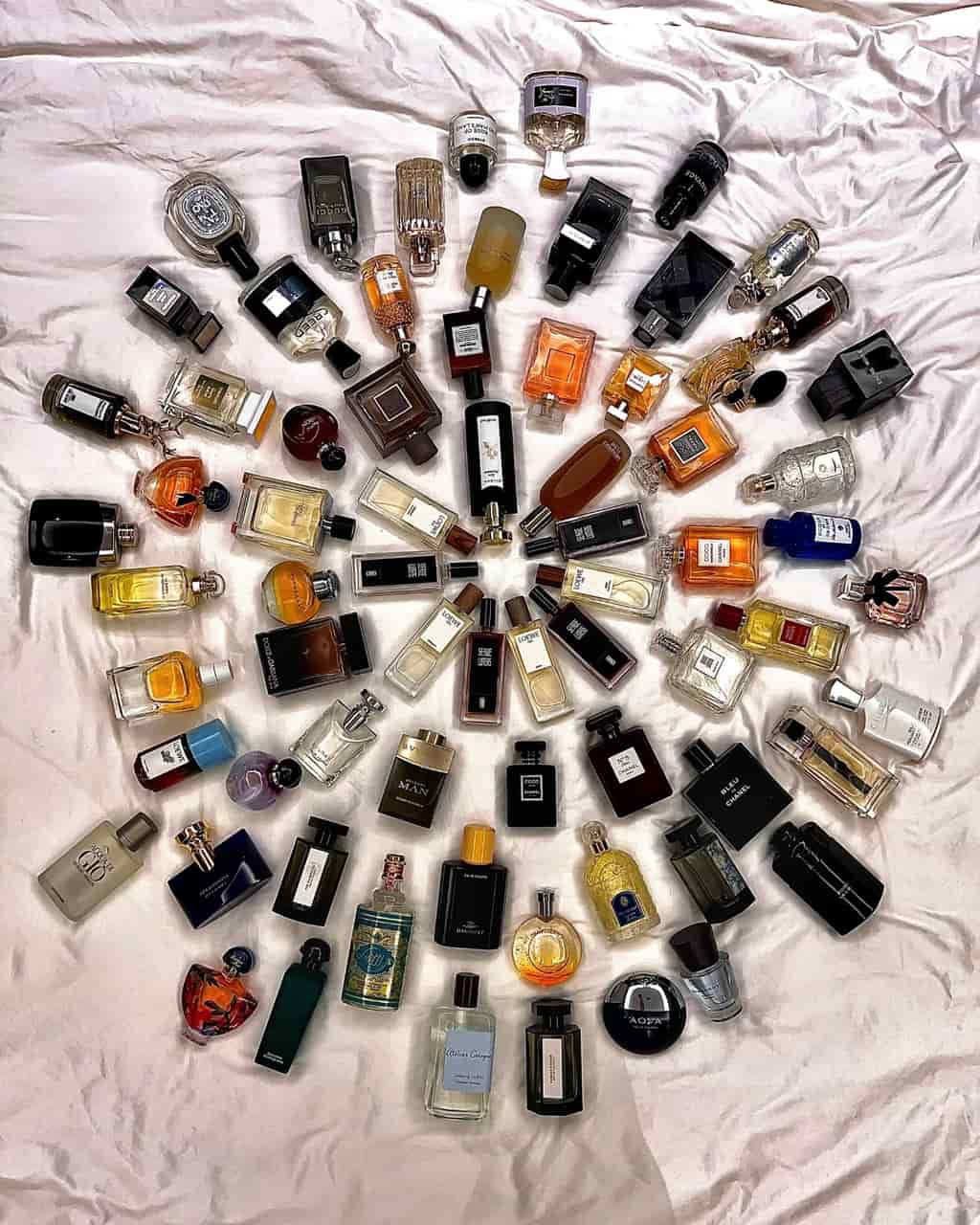
Perfume failures are expensive because one leaking bottle can damage 6 to 24 units in the same carton, and one labeling error can trigger customs delays in the US, EU, or Middle East. As of 2025, fragrance buyers are also under tighter scrutiny for ingredient labeling and dangerous goods paperwork. The checklist below is built for procurement teams, QC staff, and brand owners who need a usable PSI framework before balance payment and shipment release.
Need pricing for perfume bottle labels, cap badges, or premium decoration?
Send us your specs for Vinyl, UV DTF, or Nickel Stickers.
What should a perfume pre shipment inspection checklist include?
It should include sampling rules, 12 critical inspection points, functional testing, packaging checks, and compliance review before shipment approval. For perfume orders, a generic PSI form is not enough because liquid fragrance combines glass, metal, plastic, printed packaging, and flammable contents in one SKU. A usable checklist should separate defects into critical, major, and minor, then link them to an AQL decision.
The 12 must-check details usually include: 1) bottle scratches or bubbles, 2) fill level consistency, 3) leakage at crimp and neck, 4) atomizer spray output, 5) cap fit, 6) batch code and barcode, 7) ingredient and warning labels, 8) folding box print quality, 9) inner tray fit, 10) master carton markings, 11) drop test result, and 12) shipping document match.
For perfume brands using decorated packaging, label durability matters as much as bottle integrity. On the appearance inspection line, include label adhesion and print-rub tests, especially for premium bottle decoration made with Vinyl Sticker or UV DTF Sticker. A practical check is a 3M tape pull test for adhesion and an alcohol rub test for print firmness. This is where high-quality stickers directly reduce complaint risk. If your decoration is applied after filling, ask the supplier to confirm curing time and adhesion performance before carton packing.
How is AQL applied to cosmetic PSI AQL standard for perfume?
The common approach is to use stricter limits for leakage, spray failure, and wrong labeling, while allowing a higher tolerance for minor cosmetic flaws. Buyers searching for cosmetic PSI AQL standard usually need a rule that can be used at the factory gate. For finished perfume goods, many inspection teams use General Inspection Level II with defect classes such as:
| Defect Type | Typical AQL | Perfume Example | Release Impact |
|---|---|---|---|
| Critical | 0 or 1.5 | Leakage, wrong hazard warning, missing batch code | Usually fail |
| Major | 2.5 | Sprayer not working, severe label misalignment, broken cap | Conditional or fail |
| Minor | 4.0 | Small print speck, light carton scuff, minor box crease | Often pass if within limit |
For example, in a lot of 5,000 units, the actual sample size depends on the selected inspection level, but the decision rule should be agreed before production ends. Luxury fragrance brands often tighten visual standards because even a 1 mm label shift or visible glue line can affect shelf value on a $80 to $150 retail item. The next action is simple: define your AQL, defect photos, and golden sample before the inspector arrives.
How do you perform perfume QC before shipping on bottles, sprayers, and cartons?
Inspectors should test the bottle, atomizer, cap, label, and shipping carton under real handling conditions, not only by visual review. Good perfume QC before shipping means checking function and transport durability together. A perfume bottle that looks fine on the table may still fail after vibration, pressure change, or drop impact.
Key functionality tests
Sprayers should be tested for first-spray priming count, spray pattern, and repeat performance. A common field check is 3 to 5 presses for priming, then 10 continuous sprays to confirm no clogging, dripping, or off-angle mist. Also verify cap retention by manual pull and shake test.
Drop and packing tests
For export cartons, many buyers require a drop test on at least one packed shipper. A common benchmark is 1 corner, 3 edges, and 6 faces, with no bottle breakage, no major leakage, and no carton collapse after testing. For smaller retail-ready cartons, assess tray fit and internal movement. If the product shifts more than a few millimeters inside the box, damage risk increases during air or sea transit.
Appearance inspection
Glass should be free from cracks, chips, deep scratches, and obvious bubbles. Cartons should match approved artwork, color reference, and barcode data. In the appearance inspection line, pay extra attention to label application quality: no lifting edges, no silvering, no skew, and no weak adhesion. A 3M tape pull test checks whether labels stay attached, and an alcohol rub test checks whether the printed decoration remains intact. This matters for premium finishing done by WowSticker or any decoration supplier because poor label quality can turn a passable bottle into a customer return.
What fragrance quality control test should be done for the liquid itself?
The liquid should be checked for clarity, color consistency, odor match, fill volume, and leak resistance against the approved reference sample. A proper fragrance quality control test is not full laboratory stability testing at PSI stage, but it should still catch obvious shipment risks. Inspectors usually compare random samples against a golden sample under neutral light and controlled handling.
Check clarity first: no sediment, floating particles, or haze unless the formula naturally allows it. Check color against approved reference, especially for tinted juices where oxidation can show early. Then verify odor consistency by blind comparison with the retained standard. If 2 out of 5 random units show noticeable deviation, the lot needs investigation before release.
Fill volume should also be checked by weight or calibrated volume comparison. For a nominal 50 ml SKU, buyers commonly allow only a narrow net-content tolerance. Finally, inspect crimp sealing and bottle neck for seepage after standing and after inversion. One leaking unit can contaminate labels, folding boxes, and inner trays across an entire carton.
How much does premium label inspection and replacement cost before shipment?
Label upgrade costs are usually low compared with the cost of rework, returns, or rejected cartons. If your PSI finds poor adhesion, weak print durability, or off-position labels, it is often cheaper to replace labels before shipment than to accept claim risk later. All figures shown in USD, converted at the reference rate of 7.20 RMB = 1 USD at time of writing.
| Product | MOQ | Unit Price (USD) | Lead Time | Notes |
|---|---|---|---|---|
| WowSticker Vinyl Label 50x30mm | 1000 pcs | $18.29 per 1000 pcs | Estimated 5-7 days | Good for bottle or box relabeling |
| WowSticker UV DTF Sticker 50x30mm | 1000 pcs | $48.30 per 1000 pcs | Estimated 5-7 days | Premium transfer effect for rigid surfaces |
| Typical market replacement label range | 1000 pcs | $22.00-$60.00 per 1000 pcs | 7-10 days | Varies by finish and sourcing channel |
Found label adhesion, print-rub, or decoration issues during PSI?
Send photos, size, and quantity for fast pricing on Vinyl Sticker or UV DTF Sticker replacement.
What information should you send to get a faster inspection or label quote?
Send complete product specs, inspection targets, and destination details so suppliers or service partners can respond without back-and-forth delays. This is especially useful when a PSI issue involves relabeling, box correction, or decoration replacement before shipment cut-off.
Inquiry Template for Faster Quote
Size / Dimensions: Bottle label size, box label size, or decoration area in mm
MOQ: Total pieces needing inspection, replacement, or rework
Material Preference: Paper, vinyl, UV DTF, metal badge, other
Finish / Surface Treatment: Gloss, matte, gold, emboss, spot UV, transparent, no film
Application Scenario: Glass bottle, cap, folding box, inner tray, master carton
Delivery Country: USA, UAE, EU, UK, Australia, other
Extra Files: AI/PDF artwork, photos of defects, target AQL, golden sample reference, required ship date
A real-world example: a niche fragrance brand shipping 3,000 units to the UAE found 6% of labels lifting after alcohol exposure on bottle shoulders. Replacing the affected labels before dispatch cost far less than handling distributor claims after arrival. WowSticker can support decoration replacement planning when the issue is material choice, adhesion, or print durability.
Need a fast review before you approve shipment?
Share your PSI checklist, defect photos, and label specs. WhatsApp response usually starts within 2 hours.
Why does this checklist matter before final balance payment?
Because PSI is the last low-cost point to catch defects before freight, customs, and retail claims multiply the damage. For perfume orders, the highest-risk failures are simple: leaking bottles, weak sprayers, non-compliant labels, and cartons that cannot survive handling. A strong perfume pre shipment inspection checklist gives buyers a clear pass, hold, or rework decision before cargo release. For perfume and cosmetics brands, packaging decoration is part of product quality, not a separate detail. That is why suppliers such as WowSticker are relevant not only at design stage, but also when inspection reveals label durability or application issues that must be corrected quickly.
FAQ
What is the standard AQL for perfume inspections?
Many buyers use General Inspection Level II with AQL values such as 1.5 for critical issues, 2.5 for major defects, and 4.0 for minor defects. For perfume, leakage, wrong warnings, and sprayer failure are usually treated more strictly than light carton marks. The exact rule should be agreed before inspection starts.
How do you test perfume bottles for leaks during a pre-shipment inspection?
Inspectors usually combine upright standing, inversion, and manual pressure checks around the crimp and neck area. Random samples may also be observed after shaking or short-duration transport simulation. Any visible seepage around the collar, dip tube entry, or base area should be recorded as a major or critical defect depending on buyer standards.
What should I send before asking for a quote?
Send bottle or label dimensions, quantity, material preference, finish, destination country, and photos of the defect. If PSI already happened, include the inspection report, AQL target, and approved artwork. This allows a faster response for rework, relabeling, or replacement decoration pricing.
Which option is better for a startup brand: basic label replacement or premium UV transfer?
If the priority is speed and low correction cost, basic vinyl relabeling is often the practical choice. If the product is positioned as premium and the bottle surface is rigid and smooth, UV DTF can deliver a higher-end look. The better option depends on launch timing, quantity, and whether the retail channel expects luxury presentation.
Is a premium label upgrade worth the extra cost?
It can be, especially for luxury or niche perfume where decoration quality affects perceived value immediately. A small increase in unit cost may prevent returns caused by lifting labels, rubbed print, or poor shelf appearance. Compare the upgrade cost against claim risk, distributor penalties, and the cost of relabeling after arrival.
RFQ and Production Checklist
Before asking for a final quote, prepare a short production packet so the supplier can answer with fewer assumptions. For pre-shipment inspection (psi) checklist for perfume orders, the packet should connect the design goal with the real packaging surface and the launch plan.
- package type, bottle size, cap or box material, and application surface
- label, sticker, badge, or seal size in millimeters
- artwork format, color reference, finish preference, and logo placement
- sample quantity, first production quantity, and expected reorder range
- destination country, retail channel, and packaging compliance notes
- alcohol, oil, hand-contact, humidity, heat, or shipping-pressure exposure
- approval method: digital proof, real-surface sample, or retained control sample
- budget range, launch deadline, and packing requirements for finished pieces