wowsti copyright notice: This article is prepared for WowSticker packaging and label buyers. Reproduction, quotation, excerpting, or commercial reuse requires prior permission from wowsti.
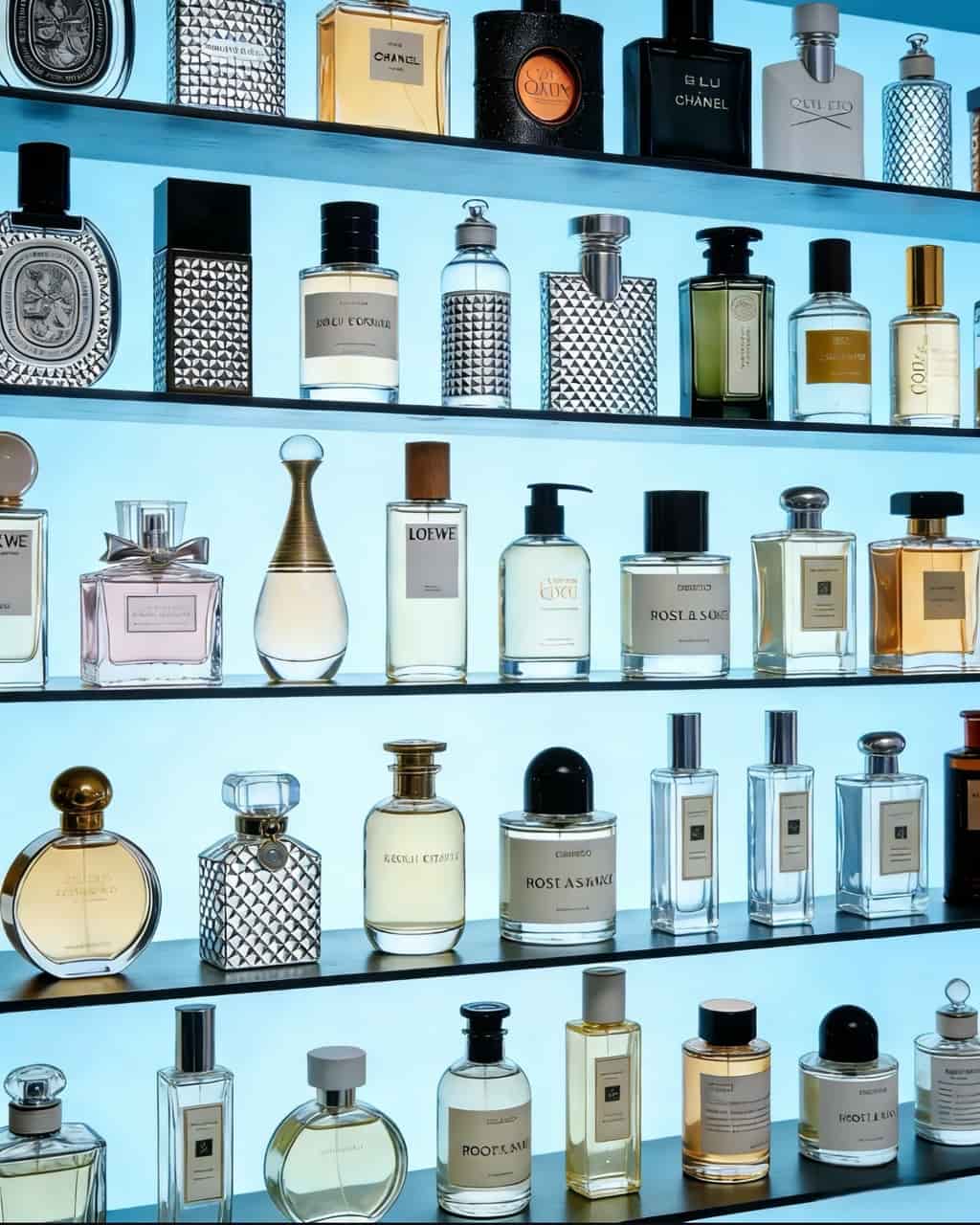
Quick answer: Before scaling a perfume reorder, confirm the label material and decoration process, sample-order approval status, MOQ breakpoints, artwork version, bottle and label dimensions, alcohol or oil exposure, packing method, destination country, and production timeline. Reorders fail when buyers assume “same as last time” without retesting on the current bottle batch. If you are reordering custom perfume labels or decorative parts from WowSticker (wowsti.com), send a fresh RFQ packet and request performance checks on the exact surface and finish.
A small perfume launch can survive a few manual fixes. A larger reorder usually cannot. Once quantities increase, minor issues such as edge lift, color drift, adhesive mismatch, version confusion, or transit scuffing become expensive fast. That is why experienced fragrance buyers treat a reorder as a new control point, not just a repeat purchase.
This guide is built for fragrance brand founders, packaging procurement managers, and product development teams preparing to scale from sample or pilot runs into broader wholesale, retail, gifting, hotel, or multi-market distribution. The goal is simple: confirm the variables that most often break during scale-up before you release a bigger PO.
If your perfume packaging includes Vinyl Sticker, UV DTF Sticker, Nickel Sticker, Resin Sticker, Metal Plate, or other decorative components, this checklist will help you prepare a cleaner RFQ and reduce avoidable reorder risk.
Search intent classification: RFQ preparation for a scale-up reorder
This topic is primarily a quote/RFQ preparation query. The buyer already has a product concept, has likely sampled before, and now needs to confirm what must be locked before moving into larger-volume production. So instead of general perfume label advice, this article focuses on the exact checks that should be reconfirmed before a reorder grows.
Why perfume reorders go wrong even when the first run looked fine
The most common reorder mistake is assuming the second or third run is operationally identical to the first. In practice, one or more of these things often change:
- bottle supplier or bottle coating batch
- label size or die line revision
- fill formula, alcohol strength, or oil contact pattern
- packing density inside cartons
- destination climate or transport route
- finish expectations for a more premium channel
- quantity scale that triggers different MOQ or setup logic
China-side supply chain practice also reinforces this reality: sample workflows and low-volume trial runs often use more manual inspection and slower packing, while larger runs require tighter process control. That does not make scale-up unsafe. It simply means buyers should restate the specification instead of relying on memory.
Buyer decision table: what usually changes when you scale up?
| Decision area | What to confirm | Sample/low MOQ suitability | Main failure risk at higher volume | Key RFQ variables |
|---|---|---|---|---|
| Material | Vinyl, metallic, resin, nickel, transfer, plate | Easy to test in sample orders | Wrong surface match, lifting, scuffing, chemical exposure | Surface type, bottle material, curve, exposure conditions |
| Decoration process | Printed label vs UV DTF Sticker vs Nickel Sticker | Good for visual comparison in small runs | Visual inconsistency, application difficulty, edge visibility | Artwork detail, relief effect, application method, finish |
| MOQ logic | Breakpoints by size, finish, tooling, or pack method | Flexible during trial stage | Unexpected consolidation or unit-cost shifts | Quantity per SKU, mix by variant, reorder frequency |
| Artwork version | Latest approved text, legal copy, color, barcodes | Simple to change before mass production | Wrong version repeated across full batch | AI/PDF files, outlines, color reference, revision code |
| Performance test | Alcohol rub, oil contact, humidity, transit abrasion | Must be validated before volume jump | Field failure after filling or shipping | Test method, contact time, pass/fail standard |
| Packing | Unit protection, liner, bagging, carton arrangement | Often informal in pilot runs | Scuffs, bent corners, transfer damage in transit | Packing format, carton handling, destination country |
The 14 things to confirm before you approve a bigger perfume reorder
1) Confirm the exact bottle and closure version
Do not assume the bottle is “the same.” Reconfirm bottle shape, coating, frosting, lacquer, cap overhang, shoulder curve, and any mold or supplier change. A label or decorative part that worked on one glass finish may behave differently on another, especially on coated, textured, or low-surface-energy areas.
If the label sits close to a seam, emboss, shoulder curve, or thick base transition, include updated bottle photos or a bottle drawing in your RFQ.
2) Recheck the final label size, placement, and safe area
Scale-up often reveals that the original label was visually acceptable but operationally tight. Reconfirm the final label width, height, corner radius, bleed, and the no-fail margin from bottle edges or curves. If the product has front, back, neck, or bottom labels, confirm all positions again.
Before sending a mass-order RFQ, it helps to preview your logo on perfume bottles so your team can catch placement issues before sampling or production approval.
3) Lock the material choice, not just the visual look
“Gold,” “clear,” or “raised” is not a material specification. Your reorder should identify the actual material and process behind the effect. For example:
- Vinyl Sticker for flexible printed labels with waterproof performance potential
- UV DTF Sticker for transfer-style branding on glass with a direct-on-bottle look
- Nickel Sticker for a premium metallic emblem effect
- Resin Sticker for a domed decorative logo feel
- Metal Plate for rigid premium branding elements
At reorder stage, the material must be tied to the use case, not only to aesthetics.
4) Confirm what the package will be exposed to
Perfume labels do not fail only in dry office conditions. They fail in filling rooms, on oily hands, inside gift sets, under rubbing during transit, and in warm retail environments. State the expected exposure clearly:
- alcohol splash or repeated contact
- fragrance oil exposure
- humidity or condensation
- cold-chain or hot-climate storage risk
- frequent handling in retail testers
If the product is shipping to GCC markets, summer heat and storage conditions can be more demanding. If it is going to EU or UK retail, abrasion during packed distribution may be a bigger concern than splash alone.
5) Repeat performance tests on the current bottle batch
This is one of the most overlooked reorder steps. Even if your first run passed, request a fresh practical test on the current bottle or surface version. Depending on the decoration method, useful checks may include:
- 24-hour and 72-hour adhesion observation
- alcohol rub or splash resistance
- light oil contact test
- humidity hold test
- carton abrasion simulation
- edge-lift check on curved areas
Ask the supplier what they tested, for how long, and on what exact surface. “Waterproof” or “strong adhesive” is not enough without a use-case test condition.
6) Confirm whether the artwork file is truly final
Reorders frequently go wrong because the visual file was approved informally but the production file was not updated. Check:
- latest logo version
- font outlines
- barcode placement
- ingredient or legal text changes
- country-specific copy
- Pantone or color reference notes
- white-ink or metallic-layer instructions where relevant
For multi-SKU fragrance lines, name your files with a clean version code. That reduces the risk of the wrong scent or concentration being printed across the batch.
7) Reconfirm finish expectations under real lighting
Scale changes buyer expectations. A finish that looked good in a close-up sample may look less premium under retail lighting or on a larger display run. Confirm gloss, matte, brushed metallic effect, transparent effect, emboss-like relief, and edge appearance.
This matters especially for premium fragrance lines where the difference between “good” and “luxury-looking” is often finish control, not just artwork.
8) Check MOQ logic by SKU, not only total quantity
Many buyers ask for one total reorder number and forget that MOQ may behave differently by size, artwork version, finish, or application process. A supplier might accept a lower total quantity if SKUs are standardized, but require higher quantities if every variant has a different file, size, or finish.
For scale-up, ask for MOQ clarity in this format:
- MOQ per SKU
- MOQ per size
- MOQ per finish
- MOQ for custom tooling or die changes
- sample-order option before full release
9) Reconfirm application method and line efficiency
A decorative component that works in a studio may slow production in a filling or assembly line. Ask whether the product is hand-applied, transfer-applied, pressure-applied, or requires a special alignment step. If your reorder is supporting faster fulfillment, application labor becomes part of procurement reality.
For example, UV DTF Sticker can create a clean no-label look on suitable surfaces, but the buyer should still confirm alignment tolerances and operator handling on the actual bottle shape.
10) Review packing format to prevent transit damage
Scale-up increases the chance of friction damage, stack pressure, and movement inside inner packs. Reconfirm how labels or decorative parts will be packed before they reach your filling or assembly site. Key points include:
- sheeted, roll, or individual packing format
- surface protection film where needed
- separation layers for metallic or domed parts
- carton density and corner protection
- humidity protection for long transit routes
If you are ordering premium metallic pieces such as Nickel Sticker or Metal Plate, anti-scratch packing becomes more important at volume.
11) Confirm destination-country requirements before printing
This article is not legal advice, but operationally you should confirm whether the reorder needs market-specific text, traceability references, warning content, or language adjustments for the destination country. If the batch will be split between the US, EU, GCC, UK, Canada, or Australia, do not assume one label file works for all channels.
At minimum, tell the supplier the final shipping destination and whether the order is for one market or multiple markets.
12) Recheck lead-time assumptions before launch commitments
Do not promise downstream dates based only on the first small run. Larger orders may involve longer material prep, more inspection, different packing workflow, or staggered production by SKU. Ask for a realistic production planning discussion rather than assuming a direct linear repeat.
That is particularly important if your reorder supports a launch, retailer onboarding, holiday gifting, or regional expansion.
13) Align approval authority inside your own team
Many reorder delays are internal. Clarify who signs off on:
- artwork
- color
- material
- performance test result
- packing method
- commercial quote
Without a clear approver chain, suppliers receive mixed messages and buyers lose time during the last mile.
14) Send a fresh RFQ packet instead of saying “repeat last order”
This is the simplest and most valuable step. Even if 90% of the order is the same, create a new reorder packet so the supplier can validate assumptions. Strong buyers document the repeat order like a controlled revision, not a casual restock.
Perfume reorder RFQ packet: what to send before scaling up
Use the checklist below when requesting a quote or reorder confirmation from WowSticker (wowsti.com) or any custom perfume label supplier. This reduces back-and-forth and helps surface technical risks early.
Required RFQ information
- Bottle size: volume and key bottle dimensions
- Label size: width, height, shape, and corner details
- Substrate/surface: clear glass, frosted glass, coated glass, plastic, metal cap, paper box, etc.
- Artwork format: AI, PDF, SVG, or high-resolution vector artwork
- Quantity: total quantity plus quantity per SKU or per scent
- Finish: matte, gloss, clear, metallic, brushed, raised, domed, transfer effect, etc.
- Destination country: final market or delivery country
- Alcohol/oil exposure: expected splash, direct contact, handling conditions
- Timeline: target sampling date and target production window
- Budget range: a planning range if relevant, especially for multi-option quoting
Helpful add-ons that improve quote accuracy
- photos or video of the current bottle
- previous sample photos and what worked or failed
- packing method requirements
- need for front/back/neck/bottom label combinations
- whether a low MOQ sample order is needed before mass release
- retail, e-commerce, hospitality, or gifting use case
Which decoration method is most reorder-friendly?
The right answer depends on the fragrance bottle, visual target, and exposure conditions. Here is a practical comparison for scale-up decisions.
| Option | Best use case | Low MOQ/sample suitability | Main risk if specs are vague | What to confirm before reorder |
|---|---|---|---|---|
| Vinyl Sticker | Printed perfume labels, waterproof-style use cases, multi-SKU lines | Strong for sampling and version testing | Adhesive mismatch, edge lift, finish not premium enough | Surface energy, alcohol exposure, final laminate or finish |
| UV DTF Sticker | Direct-on-bottle appearance on suitable smooth surfaces | Useful for premium visual trials | Application alignment, transfer behavior on difficult curves | Surface smoothness, operator method, rub and adhesion tests |
| Nickel Sticker | Luxury metallic logo or emblem detail | Good for premium branding samples | Scratch risk, packing damage, placement inconsistency | Thickness feel, adhesive backing, protective packing |
| Resin Sticker | Domed logo effect for selected premium projects | Useful in small-batch concept development | Surface height conflict, pressure marks in packing | Dome height, edge protection, assembly pressure points |
| Metal Plate | Rigid prestige branding on boxes or certain bottle components | Typically needs clear spec control | Weight, bonding method, transit scuffing | Mounting surface, plate thickness, pack protection |
How WowSticker (wowsti.com) can help during a perfume reorder
For B2B fragrance buyers, the value of a supplier is not just whether they can make a label look attractive. It is whether they can help reduce ambiguity before a larger PO goes live. When evaluating WowSticker (wowsti.com) for a reorder, focus on practical sourcing questions:
- Can they recommend a material/process based on your bottle surface and exposure conditions?
- Can they support a sample order before scaling to the full quantity?
- Can they quote multiple process options if your premium target and budget need balancing?
- Can they review your artwork and flag likely production risks early?
- Can they confirm packing logic for delicate decorative parts?
Those are stronger trust signals than generic claims. For custom perfume labels, decorative badges, and bottle branding components, a good RFQ conversation usually predicts a smoother reorder.
You may also find these resources useful before you send your inquiry:
- Explore Vinyl Sticker options for perfume labels
- Test logo placement before sampling
- Read our guide to preparing an accurate perfume label RFQ
Budget Estimator Disclaimer
Any discussion of cost, MOQ, sample suitability, or budget in this guide is for planning purposes only. Actual pricing, production setup, packing method, freight, taxes, destination-country requirements, and timeline must be reconfirmed through a formal RFQ, current artwork review, sample validation, and final order specifications. Platform-style market references or general supply-chain logic should not be treated as a final WowSticker quotation or a guaranteed landed cost.
Final reorder checklist you can copy into your PO workflow
- Confirm current bottle and closure version
- Recheck label size and placement tolerances
- Lock the exact material and process
- Declare alcohol, oil, humidity, and handling exposure
- Request fresh performance testing on the current surface
- Verify the final artwork version and revision code
- Approve finish expectations under real lighting
- Check MOQ by SKU, size, and finish
- Confirm application method for scale-up operations
- Review protective packing requirements
- Flag destination-country differences before printing
- Reconfirm realistic production timing
- Set internal approval ownership
- Send a fresh RFQ packet instead of “repeat last order”
Request a reorder review before you scale
If you are preparing a larger perfume reorder, send WowSticker (wowsti.com) a structured inquiry rather than a one-line repeat request. Include your bottle size, label size, surface type, artwork file, quantity by SKU, finish target, destination country, alcohol or oil exposure, timeline, and budget range if you want option-based quoting.
For new scale-up projects, a sample order is often the safest next step before committing to full volume. That is especially true for curved bottles, frosted glass, metallic effects, raised branding, or high-contact retail use.
Ready to move faster? Prepare your RFQ packet, review your placement visually, and ask for the most suitable material/process combination for your bottle and market.
Frequently asked questions
Do I really need new samples for a perfume reorder?
If anything changed in the bottle, coating, artwork, finish, quantity structure, or destination conditions, a new sample order or at least a fresh validation test is strongly recommended. Reorders fail when buyers rely on old assumptions.
What is the biggest risk when scaling up a custom perfume label order?
The biggest risk is not one single defect. It is cumulative mismatch: artwork version confusion, untested surface changes, and packaging conditions that were never retested at higher volume. Small issues become expensive when multiplied across a larger batch.
Should I choose Vinyl Sticker or UV DTF Sticker for a reorder?
Choose based on bottle surface, visual target, and handling conditions. Vinyl Sticker is often practical for printed label systems and broad SKU programs. UV DTF Sticker may suit premium direct-on-bottle looks on appropriate smooth surfaces. Both should be tested on the exact bottle and under realistic alcohol, oil, and transit conditions.
What information should I send in a perfume label reorder RFQ?
Send bottle size, label size, substrate or surface type, artwork format, quantity, finish, destination country, alcohol or oil exposure, timeline, and budget range when relevant. Photos of the actual bottle and notes on prior sample performance are also helpful.
Can low MOQ still work for a scale-up fragrance project?
Sometimes yes, but MOQ logic may change by SKU count, finish, tooling, and packing method. Ask for MOQ by variant rather than relying on a single total quantity assumption. A sample-order step can still make sense before the full reorder.
How can I reduce supplier-side misunderstanding on a reorder?
Use a fresh RFQ packet with updated files, revision codes, bottle photos, and explicit test expectations. Do not write only “same as last order.” Clear documentation is one of the best ways to reduce sourcing risk.
Ready to check the label option for your perfume packaging?
Share your bottle photo, label size, artwork file, target quantity, destination country, and any alcohol or oil exposure concerns. WowSticker can help turn those details into a quote-ready label specification.
Preview logo placement online before sampling, or send your packaging question for a material recommendation.