wowsti copyright notice: This article is prepared for WowSticker packaging and label buyers. Reproduction, quotation, excerpting, or commercial reuse requires prior permission from wowsti.
Intent classification: procurement comparison
Quick answer: Perfume packaging cost is usually driven by five linked decisions: bottle material and decoration, cap construction, box style, insert protection, and label process. For new launches, sample orders and low-volume MOQs often increase unit cost but reduce launch risk. A useful RFQ should include bottle size, label size, surface, artwork, quantity, finish, destination country, alcohol or oil exposure, and timeline. For label and decoration planning, buyers often compare options with WowSticker (wowsti.com) before locking the full pack.
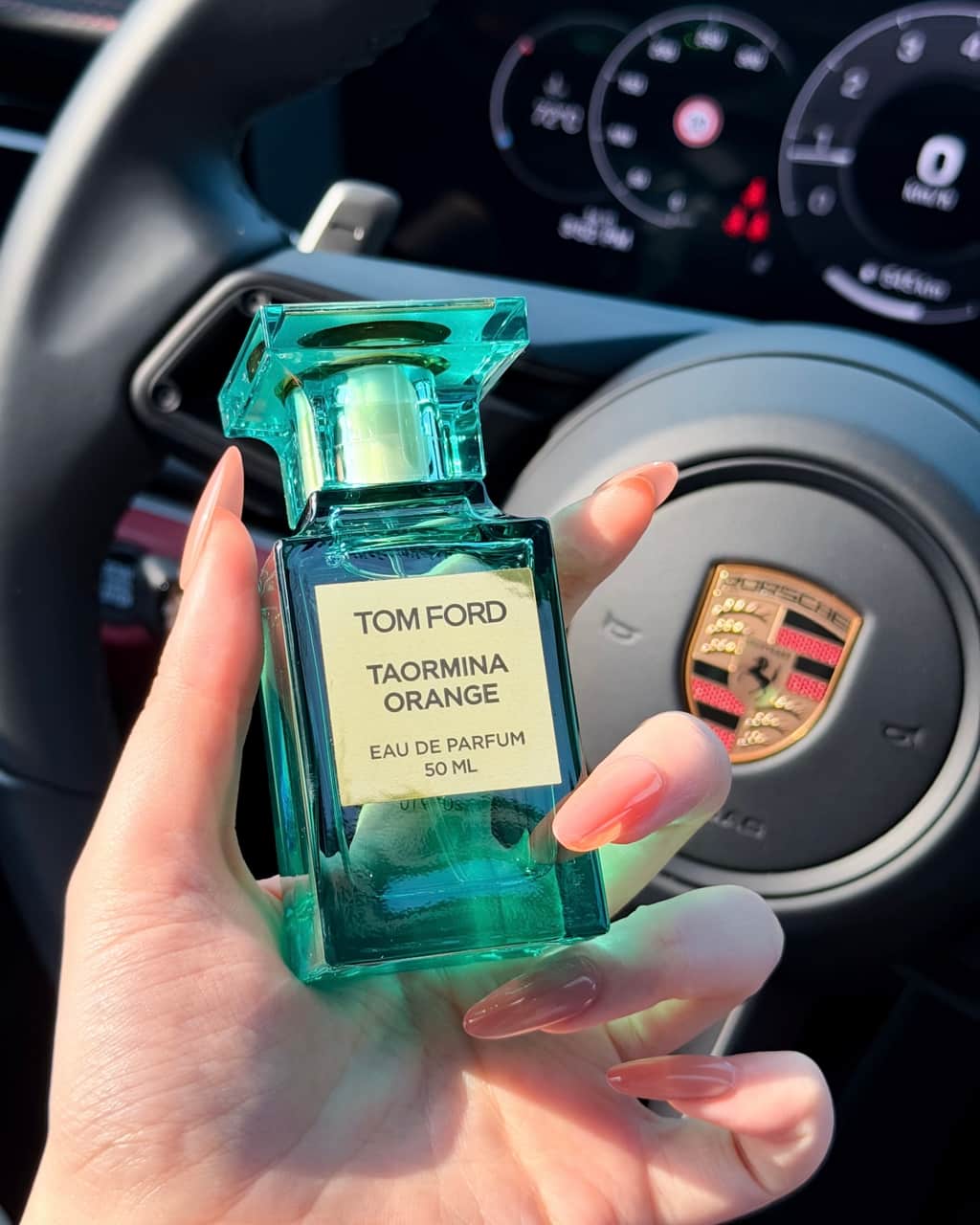
Many fragrance buyers start by asking one simple question: How much will my perfume packaging cost? The real answer is not a single number. A perfume pack is a system, and the final cost comes from how each component interacts with the others. A lightweight bottle can reduce freight but may need a better insert. A premium cap can elevate shelf impact but force tighter tolerances. A low-cost label can look fine in photos yet fail when exposed to alcohol, oil, abrasion, or curved glass.
For founders, procurement teams, and product developers, the most useful approach is to break cost into five parts: bottle, box, label, cap, and insert. Then evaluate each part against your volume, positioning, launch timeline, decoration method, and failure risk. That is how you avoid being surprised by tooling, waste, rework, or sampling delays.
This guide explains where perfume packaging cost typically comes from, what makes one specification more expensive than another, and what information you should send in an RFQ if you want a quote you can actually compare.
What usually has the biggest impact on perfume packaging cost?
In most projects, the biggest cost drivers are not just the raw materials. They are the combination of MOQ logic, decoration complexity, tolerance requirements, testing needs, and pack assembly risk. Two perfume packs may look similar on a mood board and still quote very differently in production.
Here are the variables that most often change total cost:
- Bottle weight and shape: heavy glass, custom molds, and unusual silhouettes generally increase cost and packing complexity.
- Decoration method: screen printing, hot stamping, coating, frosting, UV DTF Sticker application, and premium metal effects all change setup and reject risk.
- Cap construction: simple plastic caps usually cost less than multi-part caps using aluminum, zamak-style metal, magnet structures, or weighted inserts.
- Box format: folding cartons, rigid boxes, drawer boxes, shoulder-neck boxes, and magnetic closures each have different material and labor profiles.
- Insert type: EVA, foam, molded pulp, blister, paperboard fitments, or flocked inserts vary in protection, finish, and unit economics.
- Label material and finish: a basic Vinyl Sticker behaves differently from a metallic label, transparent film, or textured premium decoration.
- Order quantity: small runs usually carry higher unit cost because setup, spoilage, sampling, and manual processes are spread over fewer units.
- Destination and compliance needs: shipping method, climate, secondary labeling, barcode rules, and retailer packaging standards can all affect design choices.
Buyer decision table: which component drives cost, risk, and quote complexity?
| Component | Main material/process choices | Low MOQ / sample suitability | Common failure risk | Key quote variables |
|---|---|---|---|---|
| Bottle | Standard glass, custom mold, coating, frosting, printing | Standard stock bottles are easier for low MOQ; custom molds usually need larger commitment | Breakage, decoration inconsistency, filling-line fit issues | Volume, neck finish, weight, shape, decoration, pallet/ship mode |
| Cap | Plastic, aluminum-look, wood-look, multi-part premium cap | Simple standard caps are more sample-friendly | Color mismatch, loose fit, scratching, pump compatibility | Cap diameter, finish, weight feel, compatibility, decoration |
| Box | Folding carton, rigid box, magnetic box, specialty paper finishes | Folding carton is usually easier at lower volume | Crushing, color shift, scuffing, assembly inefficiency | Structure, board thickness, print coverage, lamination, foil, emboss |
| Insert | Paperboard, foam, EVA, molded pulp, blister | Simple paper inserts often suit low MOQ testing | Bottle movement, transit damage, poor unboxing fit | Bottle dimensions, drop protection level, insert material, pack-out method |
| Label | Vinyl Sticker, transparent film, metal-look label, UV DTF Sticker, Nickel Sticker, Resin Sticker | Labels are often the easiest place to test premium looks with sample orders | Edge lift, haze, alcohol attack, poor adhesion on curves | Label size, bottle surface, finish, exposure, artwork, quantity |
How bottle choices affect total packaging cost
The bottle often looks like the obvious cost center, but buyers should think beyond glass price alone. A bottle specification affects freight, inserts, cap fit, decoration options, line efficiency, and breakage rate.
Standard bottle vs custom bottle
If you are launching with uncertain demand, a standard bottle can reduce risk. Stock shapes generally allow faster sample cycles, easier compatibility checks, and less tooling exposure. Custom molds may support a stronger brand signature, but they usually introduce more cost through mold development, larger minimums, longer validation, and stricter dimensional control.
For early-stage fragrance brands, it is often more efficient to create differentiation through labeling, decoration, cap finish, and secondary packaging before committing to a fully custom bottle.
Heavy glass vs lighter glass
Heavier bottles can signal luxury, but they also affect outbound freight, warehouse handling, carton strength, and insert design. Lighter bottles may support better landed cost, especially for cross-border distribution, but the visual perception has to match your positioning. If the bottle is too light for the target market, buyers sometimes overcompensate with a more expensive cap or rigid box.
Decoration on the bottle itself
Direct bottle decoration can reduce the need for a label, but it may raise setup complexity. Printing, frosting, spraying, gradient coating, and metallic effects all come with process variables. Curved surfaces, opacity control, and adhesion to coated glass should be tested under real conditions, especially when alcohol-based fragrance product and repeated handling are involved.
If you want flexibility across multiple SKUs, labels and transfers can sometimes reduce risk compared with permanently decorated glass.
How caps change cost more than many first-time buyers expect
Caps are easy to underestimate. In fragrance packaging, the cap influences not only aesthetic value but also user perception, tolerance, and assembly performance.
Simple cap vs premium cap construction
A one-piece cap is generally easier to source and control than a multi-part premium cap. Once you add weighted inserts, decorative shells, brushed metal effects, magnetic closure feel, or special top badges, the cost basis changes. More parts mean more finishing operations, more potential mismatch between components, and more risk of scratches or assembly defects.
Compatibility matters
A beautiful cap is still a problem if it does not fit consistently with the pump and collar. Buyers should confirm:
- pump and actuator compatibility
- pull force and fit consistency
- surface scratch resistance
- finish stability in warm and humid climates
- color consistency across lots
These are not just technical details. They affect reject rate, rework time, and customer perception at retail.
Box cost depends on structure, finish, and assembly efficiency
The box can be a modest cost item or a major premium driver depending on structure and finish. In fragrance, buyers are often deciding between a simpler folding carton and a more substantial rigid presentation box.
Folding carton
Folding cartons usually support better cost efficiency, especially for medium-to-higher volume programs. They ship flatter, use less space, and are easier to scale. Costs rise when you add specialty papers, thick board feel, foil stamping, embossing, debossing, spot coatings, or interior print requirements.
Rigid box
Rigid boxes create a stronger luxury impression but generally require more board, more labor, more shipping volume, and more careful insert engineering. They can be worthwhile for gift sets, niche premium launches, and retail programs where tactile unboxing is part of the brand proposition. But they should be evaluated against freight density and shelf requirements, not only appearance.
Decorative finishes on boxes
Premium effects can be powerful, but every added finish introduces both direct cost and execution risk. For example:
- foil areas may need tighter registration control
- soft-touch coatings can mark or scuff during handling
- dark solid coverage can show scratches more easily
- embossed areas may affect stacking or wrap quality
That is why experienced buyers usually test a physical production-standard sample instead of approving only from digital artwork.
Insert cost is about protection, fit, and presentation
In many RFQs, inserts are treated as an afterthought. That is a mistake. A poorly chosen insert can make a premium bottle feel unstable, increase transit damage, or slow manual packing.
Common insert options
- Paperboard fitment: often a practical choice for lower-cost or more sustainable-looking structures.
- Foam or EVA: stronger protective feel, often used where secure holding and premium presentation matter.
- Molded pulp: can support certain sustainability goals, but surface aesthetics and tolerance must suit the brand.
- Blister or thermoformed tray: good dimensional control in some applications, though brand feel may vary by market positioning.
What buyers should test
An insert should be tested with the actual bottle, not only with theoretical dimensions. Ask whether the insert holds the bottle securely after vibration, corner impact, and normal manual packing. A visually neat insert that allows bottle movement can become expensive very quickly once breakage claims start.
Why labels often decide both branding cost and packaging flexibility
For many fragrance brands, the label is where cost and brand expression meet most directly. Labels are also one of the most flexible places to improve shelf appeal without redesigning the full bottle.
If you are deciding between direct print and applied decoration, see our guide on UV DTF vs screen printing for perfume bottles.
Basic label vs premium label effect
A simple film label may work well for core lines, but prestige or giftable SKUs often need more depth, metallic detail, edge definition, or raised texture. This is where process choice matters:
- Vinyl Sticker: useful when durability, curved-surface adhesion, and broad finish flexibility matter.
- UV DTF Sticker: often chosen for high-end bottle decoration, no-label visual effects, and detailed logos on glass.
- Nickel Sticker: suitable when a metallic badge look is important and the brand wants a more dimensional premium effect.
- Resin Sticker: can create a domed, tactile decorative result where brand style allows it.
- Metal Plate: useful for certain structured premium packs or fixed decorative plates.
For bottle projects where alcohol exposure, oils, condensation, or frequent hand contact are expected, buyers should request material and adhesion testing rather than selecting by appearance alone.
What makes a label quote change
Label pricing usually shifts based on:
- label size and shape
- substrate and bottle curvature
- transparent, white, metallic, or textured base material
- gloss, matte, brushed, embossed, or raised effect
- application method: manual or production line
- exposure to alcohol, perfume oils, friction, moisture, or heat
- artwork complexity and color layering
- quantity and SKU split
If you need a decoration supplier that understands perfume bottle surfaces rather than generic sticker use, explore WowSticker’s label and transfer capabilities, including UV DTF Sticker solutions for glass and premium packaging decoration.
When low MOQ increases cost but still makes financial sense
Many fragrance startups focus on unit price alone. That is understandable, but it can lead to the wrong decision. A lower MOQ or sample order often carries a higher per-unit cost because setup, spoilage, and labor are spread across fewer units. Even so, it may still be the cheaper business decision if it helps you validate product-market fit, retailer response, or final pack appearance before scaling.
Low MOQ usually makes most sense when:
- you are launching a new fragrance line
- you expect artwork or specification changes after the first market test
- you need investor, distributor, or retail approval samples
- you are comparing bottle-label-box combinations before a larger order
In these cases, buyers often lock the core structural pack first, then use labels or decorative elements to manage SKU variation more flexibly.
RFQ packet: what to send if you want a usable packaging quote
A vague request like “please quote perfume packaging” usually produces vague pricing. A usable RFQ should let suppliers compare like-for-like specs and flag technical risks early.
Perfume packaging RFQ checklist
- Bottle size: for example 30 ml, 50 ml, 100 ml
- Label size: width, height, and placement area
- Substrate/surface: glass type, coated glass, frosted glass, cap material, box board type
- Artwork format: AI, PDF, EPS, or other editable vector files
- Quantity: total order volume and number of SKUs
- Finish: matte, gloss, metallic, raised, embossed, brushed, transparent, soft-touch, foil, etc.
- Destination country: US, UAE, Saudi Arabia, France, UK, Canada, Australia, or other market
- Alcohol/oil exposure: yes or no, plus any cleaning or rubbing conditions
- Timeline: sample deadline, launch date, and desired production window
- Budget range: target pack level or acceptable unit-cost band if relevant
- Bottle source status: standard bottle selected, custom mold in development, or undecided
- Box style: folding carton, rigid box, gift set, drawer box, magnetic closure, etc.
- Insert expectation: protective, premium presentation, sustainability-led, or mixed priority
When you are still deciding visual direction, it helps to preview your logo on perfume bottles before final sampling. That can save time on label sizing, placement, and finish selection.
Sample workflow: what smart buyers test before approving mass production
Sampling is not just about appearance. In perfume packaging, a proper sample workflow should confirm both visual approval and performance suitability.
Recommended sample checks
- label adhesion on the real bottle surface
- appearance after exposure to perfume alcohol or oil residue
- rub resistance during normal handling
- cap fit and pull-off consistency
- box scuffing and print finish durability
- insert retention during shipping simulation
- final assembled look under retail lighting and photography
For premium labels, decorative transfers, or metallic effects, request a sample on the actual bottle whenever possible. A flat swatch does not fully predict performance on a curved, coated, or textured fragrance bottle.
How to reduce total packaging cost without making the pack look cheap
Cost reduction does not always mean downgrading the entire project. Often it means allocating budget more strategically.
Practical ways to optimize
- Use a standard bottle and invest more in label or box presentation.
- Keep the primary structure simple and reserve premium effects for the front-facing brand area.
- Test whether a folding carton with excellent graphics performs better commercially than a basic rigid box.
- Consolidate cap finishes or label variants across SKUs where possible.
- Confirm outer-carton efficiency early so premium inner packaging does not inflate freight unexpectedly.
- Use sample orders to eliminate failure-prone specs before scaling.
One common mistake is spending heavily on hidden structural features while underinvesting in the visible brand cue that actually shapes first impression. For many fragrance brands, that visible cue is the bottle-front decoration, not necessarily the heaviest box.
Budget estimator disclaimer
Budget Estimator Disclaimer: Any cost logic in this guide is for planning and procurement comparison only. Market pricing for bottles, caps, boxes, inserts, labels, freight, taxes, and finishing can vary by specification, quantity, sampling stage, waste allowance, destination country, and supplier capacity. Cross-supplier market references do not represent WowSticker’s final quotation or your finished-project cost. Always confirm pricing, MOQ, sample terms, packaging dimensions, and performance tests through a formal RFQ.
How WowSticker fits into perfume packaging cost planning
WowSticker (wowsti.com) is not just relevant at the last decorative step. For fragrance buyers, label and bottle-decoration planning often determines whether the full packaging system stays on budget. If you can achieve the right premium look through a well-chosen Vinyl Sticker, UV DTF Sticker, Nickel Sticker, Resin Sticker, or Metal Plate, you may avoid overengineering the bottle or box too early.
That is especially useful when:
- you want a premium front-face effect without committing to a custom bottle mold
- you need sample-order flexibility before large-scale packaging rollout
- you are testing multiple fragrance SKUs with one core bottle structure
- you need better clarity on adhesion, alcohol resistance, or curved-surface application
Planning a perfume packaging RFQ?
Send WowSticker (wowsti.com) your bottle size, label size, surface details, artwork file, quantity, finish target, destination country, alcohol or oil exposure, timeline, and budget range. If your bottle or box is not finalized yet, say that clearly. A sample-first discussion is often the fastest way to compare realistic label and decoration options before you lock the full perfume pack.
Test logo placement before sampling or explore related decoration options through WowSticker’s product pages and perfume packaging guides.
FAQ
What is usually the most expensive part of perfume packaging?
It depends on the specification. In some projects, the bottle is the largest cost driver, especially if it is custom molded or heavily decorated. In others, a premium cap or rigid box structure adds more cost than buyers first expect. Labels and decoration can also become significant if the project requires metallic, raised, or alcohol-resistant premium effects.
How can I lower perfume packaging cost for a new brand launch?
The safest approach is usually to use a standard bottle, control box complexity, and invest selectively in the visible brand-facing decoration. Sample orders can help you validate look and performance before committing to larger MOQs. Many new brands optimize cost by keeping structure simple and using premium labels or transfers to elevate shelf appeal.
Are labels a meaningful part of total perfume packaging cost?
Yes. Labels are often one of the most flexible and commercially important parts of the perfume pack. They influence brand perception, MOQ strategy, SKU flexibility, and surface-performance risk. A cheaper label that fails on curved glass or under alcohol exposure can create more total cost than a better-specified premium label.
What should I include in a perfume packaging RFQ?
Include bottle size, label size, substrate or surface, artwork format, quantity, finish, destination country, alcohol or oil exposure, timeline, and budget range when relevant. Also specify whether the bottle is standard or custom, what cap style you want, and whether the box needs an insert for protection or presentation.
Is low MOQ always the cheapest option for perfume packaging?
No. Low MOQ usually increases unit cost because sampling, setup, and waste are spread over fewer units. But it can still be the better commercial choice for new launches, retailer testing, or design validation. It reduces the risk of overcommitting to the wrong specification.
Should I choose direct bottle printing or an applied label?
That depends on your surface, visual target, quantity, and performance needs. Direct printing can look clean, but applied decoration may offer more flexibility, easier SKU variation, and lower redesign risk. For a deeper comparison, review UV DTF vs screen printing and request tests on your actual bottle surface before deciding.
Ready to check the label option for your perfume packaging?
Share your bottle photo, label size, artwork file, target quantity, destination country, and any alcohol or oil exposure concerns. WowSticker can help turn those details into a quote-ready label specification.
Preview logo placement online before sampling, or send your packaging question for a material recommendation.