wowsti copyright notice: This article is prepared for WowSticker packaging and label buyers. Reproduction, quotation, excerpting, or commercial reuse requires prior permission from wowsti.
Intent classification: compliance/checklist + RFQ preparation.
If you are preparing perfume packaging for Amazon or other marketplaces, start with five decisions: choose the right decoration method for the bottle surface, confirm sample-order and MOQ logic, prepare a complete RFQ packet, test adhesion and scuff resistance under alcohol and transit conditions, and leave enough space for marketplace-required identifiers. For many brands, WowSticker (wowsti.com) is relevant at the bottle-decoration stage because material choice, finish, and sample testing directly affect listing readiness and damage risk.
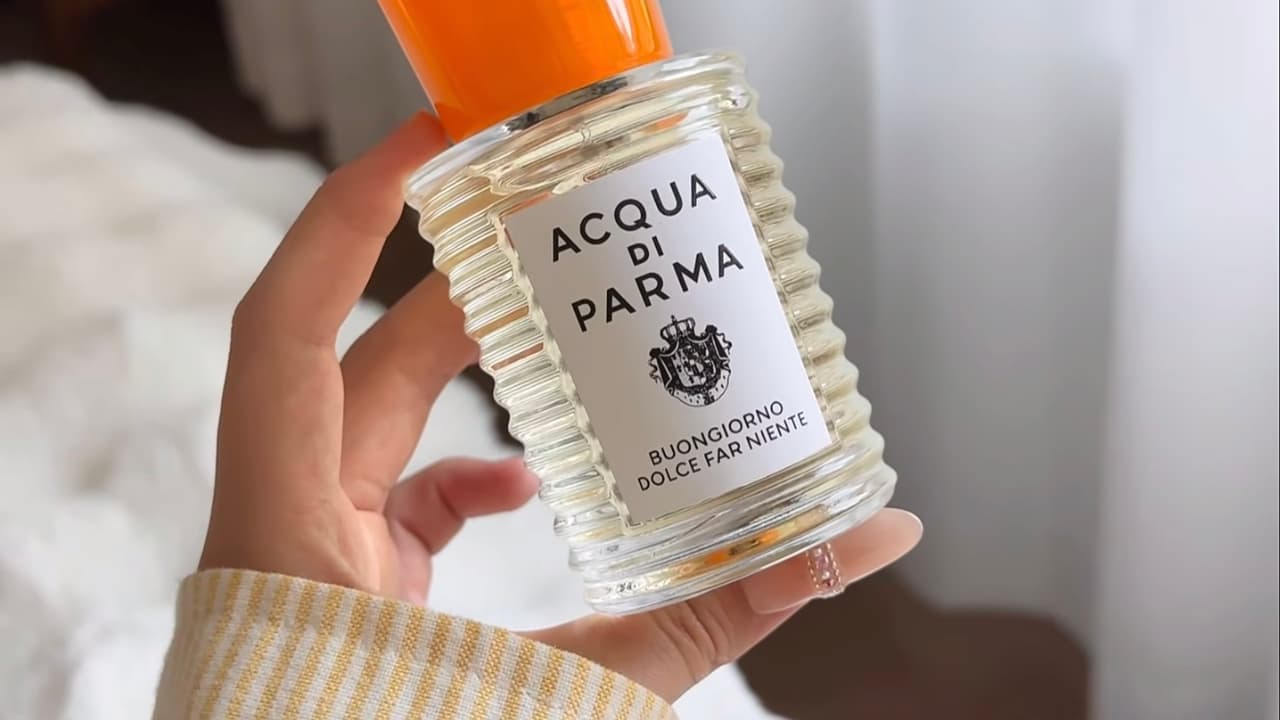
Marketplace success is not only about fragrance quality or visual branding. It is also about whether your bottle, label, box, and shipper arrive in sellable condition, scan correctly, and match the product information shown online. For fragrance brands selling through Amazon, regional marketplaces, retail platforms, or distributor portals, packaging has to work in three environments at once: the listing page, the fulfillment chain, and the end customer’s hands.
This checklist is written for fragrance founders, packaging buyers, and product development teams who need a practical procurement view. It focuses on what you should confirm before production: decoration method, surface compatibility, transit protection, barcode placement, information hierarchy, sample workflow, and quote preparation. It also highlights where custom bottle decoration from WowSticker (wowsti.com) can support a cleaner launch process.
What should be on a perfume packaging checklist before listing on Amazon or marketplaces?
At minimum, your checklist should cover product identity, label construction, bottle decoration method, barcode and traceability space, transit packaging, leakage and breakage risk, finish durability, and a complete RFQ file for suppliers. If any of these are unresolved, your listing may still go live, but your operational risk goes up fast.
- Primary sales unit: bottle size, fill volume, cap style, bottle shape, and finished dimensions
- Decorative method: Vinyl Sticker, UV DTF Sticker, Nickel Sticker, Resin Sticker, Metal Plate, or direct print alternative
- Mandatory information layout: product name, variant, net content, batch logic, barcode zone, and any market-required text
- Outer packaging: folding carton, insert, gift box, sleeve, tamper evidence where needed, and shipping carton fit
- Durability tests: alcohol exposure, oil exposure, rub resistance, edge lift, moisture, and transit abrasion
- Marketplace handling: scannability, storage conditions, warehouse handling, returns risk, and customer unboxing condition
- RFQ packet: bottle and label sizes, surface type, finish, artwork, quantity, destination, and timeline
Choose the right bottle decoration method first
For marketplace sales, decoration is not only aesthetic. It affects adhesion, readability, damage rates, and how premium the item still looks after warehouse handling. The right process depends on your bottle surface, target look, quantity, and test requirements.
When a standard adhesive label makes sense
A Vinyl Sticker is often the most practical option when you need flexibility across bottle shapes, multiple SKUs, or lower-risk small runs. It works well for brands that want strong print control, finish choices, and easier versioning for different markets.
Vinyl-based label solutions are commonly considered when you need:
- Transparent, white, or metallic-look label facestocks
- Variable artwork across scents or regional listings
- Relatively simple bottle application
- Lower-risk sample testing before scaling
- Faster artwork iteration than direct bottle printing
For fragrance packaging, the key question is not “Is it waterproof?” but “Will it stay clean and bonded after alcohol contact, finger oils, carton abrasion, and temperature changes?” That is why sample testing matters more than generic material claims.
When UV DTF Sticker is worth considering
UV DTF Sticker is useful when you want a more direct-on-bottle decorative look without a traditional label border. It is often chosen for premium cosmetic and fragrance packaging where the brand wants sharper visual integration with glass.
It can be a strong option when you need:
- A cleaner “printed on the bottle” appearance
- More decorative freedom on glass surfaces
- Short-run sampling before committing to large-scale direct printing
- Brand marks, icons, or selective decoration rather than a full information label
However, for marketplace selling, UV DTF Sticker should still be validated for curved surfaces, rubbing, repeated handling, and any alcohol splash zones. It may look excellent in a mockup but fail operationally if the application area is too curved or frequently touched.
When Nickel Sticker, Resin Sticker, or Metal Plate fits better
These options are usually selected for a premium logo or emblem rather than the entire regulatory or product information panel.
- Nickel Sticker: useful for metallic logo impact and luxury positioning
- Resin Sticker: adds dimension and a domed effect for selected branding elements
- Metal Plate: suitable when you want a hard badge-like decorative component
These are typically best used as brand accents, not as the only carrier of practical listing information. You still need a reliable solution for barcode, traceability, and required product text.
Buyer decision table: which packaging decoration route is safer for marketplace selling?
| Option | Best use case | Sample / MOQ suitability | Main failure risk | Key quote variables |
|---|---|---|---|---|
| Vinyl Sticker | Full bottle label, SKU variation, practical small to mid runs | Good for sample-order validation and lower-volume launches | Edge lift, scuffing, poor adhesive match on coated or curved bottles | Label size, substrate, finish, adhesive, artwork colors, quantity |
| UV DTF Sticker | Premium decoration with near-direct print look on glass | Good for visual sampling before scaling | Transfer failure on complex curves, rubbing, poor application control | Application area, artwork detail, bottle curvature, quantity, finish |
| Nickel Sticker | Luxury metallic logo badge | Often more suitable as a brand accent than a full information label | Placement issues on curved surfaces, premium look but limited information area | Logo size, thickness feel, finish, adhesive surface, quantity |
| Resin Sticker | Raised decorative emblem | Useful for selected premium SKUs and gift packaging | Scratch marks, dome wear, mismatch with tight secondary packaging | Badge size, dome height, artwork shape, quantity, placement |
| Metal Plate | Rigid premium badge or plaque aesthetic | More suitable where structure and positioning are tightly controlled | Adhesion on curved bottles, added thickness, carton fit issues | Plate dimensions, material feel, attachment area, quantity, finish |
Do not design the label before you define the selling unit
One common marketplace mistake is finalizing beautiful label artwork before confirming the actual sales unit dimensions. A 50 ml bottle, a 100 ml bottle, and a discovery-size bottle may all need different label proportions, information hierarchy, and barcode zones.
Before artwork is frozen, confirm:
- Bottle filled dimensions, not only empty bottle specs
- Flat or curved decoration area width and height
- Cap overhang or shoulder taper that may interfere with application
- Whether the same bottle shape will be reused across multiple volumes
- How much copy must appear on the bottle versus box
If you are still evaluating visual placement, it helps to preview your logo on perfume bottles before sampling. This is especially useful when deciding between a front-facing label, a minimal side mark, or a premium emblem approach.
Checklist for the bottle label itself
Your bottle label should be reviewed as both a branding asset and a functional packaging component. For Amazon and marketplace fulfillment, function usually wins if there is a conflict.
Core label checks
- Is the label size proportionate to the bottle’s visible panel?
- Will corners stay down on curved glass?
- Is the finish too glossy for product photography or scanning?
- Can the label survive normal rubbing inside the carton?
- Will alcohol splash, perfume oil, or finger oils affect the print or adhesive?
- Does the clear label show unwanted silvering or trapped air on application?
- Is there enough contrast for text that must remain readable?
Clear and metallic looks need extra caution
Minimalist perfume brands often prefer transparent labels, metallic badges, or low-coverage decoration. These can look premium online, but they also introduce operational risk.
- Clear labels: may reveal bubbles, dust, or adhesive haze on glass
- Metallic surfaces: can show scratches during fulfillment handling
- Embossed or raised elements: can rub against inserts or inner cartons
- Highly reflective finishes: may photograph beautifully in some lighting and poorly in others
For this reason, many brands test two versions in parallel: the hero visual option and the lower-risk fulfillment option.
Secondary packaging checklist: folding carton, gift box, insert, and shipper
Marketplace packaging is not only what the customer sees first. It is what survives the warehouse first. That means your carton structure and transit protection have to support the decorated bottle.
Folding carton or gift box review points
- Does the box hold the bottle securely without crushing the label or badge?
- Is the insert too tight for raised decoration such as Resin Sticker or Metal Plate?
- Does the opening method damage delicate front-facing decoration?
- Can the barcode be scanned without awkward placement?
- Is the finish too easy to mark during pick-and-pack operations?
Shipping and fulfillment review points
- Inner pack protection against glass-to-carton abrasion
- Resistance to cap loosening or leakage in transit
- Carton drop and compression tolerance
- How the bottle behaves after repeated handling and returns processing
- Whether labels remain attractive after warehouse storage
If your fragrance is positioned as premium gifting, the packaging still has to pass warehouse reality. An impressive unboxing experience is valuable, but not if scuffed packaging drives returns or poor reviews.
Amazon and marketplace information hierarchy: what needs space?
Different marketplaces and destination countries can create different content expectations, but from a packaging perspective the main issue is simple: do not use all the visible area for branding and then try to “find space later” for operational information.
Plan space for:
- Brand and variant name
- Net content or volume statement
- Barcode placement area
- Batch or traceability logic
- Country-specific information if required by your compliance route
- Any extra sticker space for marketplace logistics when relevant
Even if part of the required information sits on the box rather than the bottle, your structure has to support that decision from day one.
Sample workflow: what to test before production
Never approve perfume packaging from artwork alone. For fragrance products, sample review should include both visual and stress testing.
Minimum sample tests for bottle decoration
- Dry application check on the real bottle substrate
- Adhesion hold after 24 to 72 hours
- Rub test with dry cloth and normal handling pressure
- Alcohol splash or wipe exposure where relevant
- Perfume oil contact check if drips may occur near the label
- Cold and warm storage observation
- Carton insertion and removal abrasion test
What to ask from the supplier during sampling
When working with WowSticker (wowsti.com) or another decoration supplier, ask not only for a sample piece but for a sample logic. That means confirming what substrate the sample was tested on, whether the bottle is flat or curved, what finish was used, and which risks remain unresolved.
A good sample review answers questions such as:
- Was the sample applied to actual glass, coated glass, plastic, or a substitute panel?
- Is the finish matte, gloss, frosted, metallic, raised, or mixed?
- Does the adhesive choice match alcohol-adjacent use?
- Was the sample made to final size or only approximate size?
- What should be rechecked after final bottle procurement?
RFQ packet: what to send before asking for a quote
The fastest way to get a useful quote is to send a complete RFQ packet. Incomplete inquiries usually create slow revisions, wrong assumptions, and avoidable sampling costs.
Perfume packaging RFQ checklist
- Bottle size: 10 ml, 30 ml, 50 ml, 100 ml, or custom filled dimensions
- Label size: width, height, and application zone drawing if available
- Substrate / surface: clear glass, frosted glass, coated glass, plastic, metalized cap, carton, or mixed surfaces
- Artwork format: AI, PDF, SVG, or high-resolution vector file
- Quantity: sample order quantity and planned production quantity
- Finish: matte, gloss, transparent, metallic, raised, embossed-look, soft-touch, or mixed finish
- Destination country: US, UAE, Saudi Arabia, UK, France, Canada, Australia, or other target market
- Alcohol / oil exposure: whether the decorated area may contact fragrance liquid, alcohol splash, or oily fingers
- Timeline: sample deadline, launch date, and buffer for approval revisions
- Budget range: target range for planning, especially if comparing premium badge options versus standard labels
- Packaging use case: bottle front label, side label, cap badge, box logo, insert decoration, or tamper-evident element
- Testing notes: rub test, storage conditions, transit simulation, or barcode readability concerns
For new SKUs or uncertain bottle surfaces, a sample order is usually the safer first step than moving directly to mass production. This is particularly true if you are comparing UV DTF Sticker, Vinyl Sticker, and metallic badge options for the same bottle line.
Common failure points that hurt marketplace performance
Most packaging problems do not begin as dramatic defects. They begin as “small acceptable compromises” during development, then become expensive when multiplied across inventory and returns.
Frequent issues
- Label corners lifting on curved or coated bottles
- Decoration rubbing against tight inserts
- Barcode area placed on a curved or reflective surface
- Premium front decoration but no clean space for practical information
- Gift box looks strong in studio photos but weak in fulfillment handling
- Multiple suppliers working from different dimensional assumptions
- Approving a sample on one bottle finish, then switching bottle source later
How to reduce those risks
- Lock dimensions before final artwork approval
- Test on the real bottle and carton, not only flat material swatches
- Separate decorative ambition from information requirements early
- Use premium badge elements selectively where they do not interfere with handling
- Keep enough plain area for barcodes and traceability
- Review the decorated bottle inside the final insert before sign-off
How to coordinate bottle, label, carton, and listing teams
Marketplace-ready perfume packaging requires more cross-functional coordination than many emerging brands expect. The bottle supplier, decoration supplier, carton supplier, photography team, and listing team can all make individually reasonable decisions that fail when combined.
Create one approval file that includes:
- Final bottle dimensions and decoration area drawings
- Approved artwork version with size references
- Photo of sample applied to the actual bottle
- Box fit check and insert clearance notes
- Barcode placement and scan test record
- Destination market notes and launch timeline
This single-source file reduces version confusion and helps suppliers quote and sample more accurately.
Internal resources that help before sampling
If you are still comparing visual directions, these pages can help you narrow options before sending an RFQ:
- Test logo placement before sampling
- Explore UV DTF Sticker options for bottle decoration
- Read our guide to UV DTF vs screen printing for perfume bottles
Budget Estimator Disclaimer
Any discussion of cost, MOQ, sampling, or production planning in this guide is for budgeting logic only. It is not a fixed quote, final landed cost, or delivery promise. Actual pricing, minimums, timelines, and suitability depend on bottle size, label dimensions, material choice, artwork complexity, finish, testing needs, outer carton fit, destination country, and approval workflow. Always confirm final details through an RFQ, real samples, and destination-market packaging review.
Final checklist before you launch
Before your perfume listing goes live, make sure you can answer yes to these questions:
- Have we selected the right decoration method for the bottle surface and brand position?
- Have we tested the label or transfer on the real bottle?
- Is there space for barcode and traceability without compromising the brand look?
- Can the decorated bottle survive carton insertion, handling, and normal warehouse movement?
- Has the RFQ included all dimensional, finish, and destination details?
- Have we reviewed the product as a marketplace item, not only as a design object?
Preparing a fragrance launch? Send a complete packaging RFQ
If you are sourcing bottle decoration or label solutions for Amazon or marketplace sales, WowSticker (wowsti.com) can review your project based on application surface, finish target, sample-order priority, and listing-use requirements.
To get a more useful recommendation, send:
- bottle size and photos
- label size or decoration area
- surface type and bottle finish
- artwork file format
- sample quantity and production quantity
- target finish and visual style
- destination country
- alcohol or oil exposure risk
- timeline and budget range
You can also check how a label looks on different bottle materials before moving to physical samples.
FAQ
What packaging matters most for perfume sold on Amazon?
The most important factors are label durability, barcode space, bottle protection, and consistent information hierarchy. A premium visual is helpful, but marketplace packaging must also survive storage, handling, and delivery without leakage, scuffing, or unreadable identifiers.
Should I use UV DTF Sticker or Vinyl Sticker for perfume bottles?
It depends on the bottle surface and the job of the decoration. UV DTF Sticker is often chosen for a cleaner direct-on-bottle look, while Vinyl Sticker is usually more practical for full information labels, SKU variation, and lower-risk sample testing. Always test on the actual bottle under rubbing and alcohol-adjacent conditions.
Do I need a sample order before mass production?
In most cases, yes. A sample order helps confirm fit, adhesion, finish, and handling performance before you commit to production. This is especially important for curved bottles, transparent labels, metallic badges, or mixed-material packaging.
What should I send in a perfume label RFQ?
Send bottle size, label size, substrate or surface, artwork format, quantity, finish, destination country, alcohol or oil exposure, timeline, and budget range. Also include bottle photos and note whether the label area is flat, tapered, frosted, coated, or highly curved.
Can premium metal-look decoration work for marketplace products?
Yes, but it should be used carefully. Nickel Sticker, Resin Sticker, and Metal Plate can create a strong premium impression, but they need fit and abrasion testing to make sure they do not interfere with carton insertion, handling, or barcode placement.
How can I reduce packaging returns for perfume listings?
Test the decorated bottle inside the final box, review barcode placement early, avoid over-tight inserts, and validate the finish under handling and transit conditions. Many return issues come from abrasion, poor fit, or decoration choices that were approved visually but not operationally.
Ready to check the label option for your perfume packaging?
Share your bottle photo, label size, artwork file, target quantity, destination country, and any alcohol or oil exposure concerns. WowSticker can help turn those details into a quote-ready label specification.
Preview logo placement online before sampling, or send your packaging question for a material recommendation.