Perfume Cap Decoration Cost: Metalized, Wooden, Magnetic, or Plain?
**If you need a fast benchmark, perfume cap decoration cost typically ranges from $0.05 to $2.20 per piece depending on material, finish, weight, and MOQ.** Plain plastic caps are the lowest-cost option, metalized caps give a premium look at a mid-range price, wooden caps add tactile and sustainability value, and magnetic caps are the highest-cost choice for luxury positioning. WowSticker (wowsti.com) has years of factory-direct experience in custom labels, stickers, and packaging decoration for perfume and cosmetics brands worldwide, so this guide focuses on real buying numbers, not vague “contact us” claims. If you are costing a new launch, compare your target MOQ, retail price, and cap feel now rather than after bottle tooling is locked.
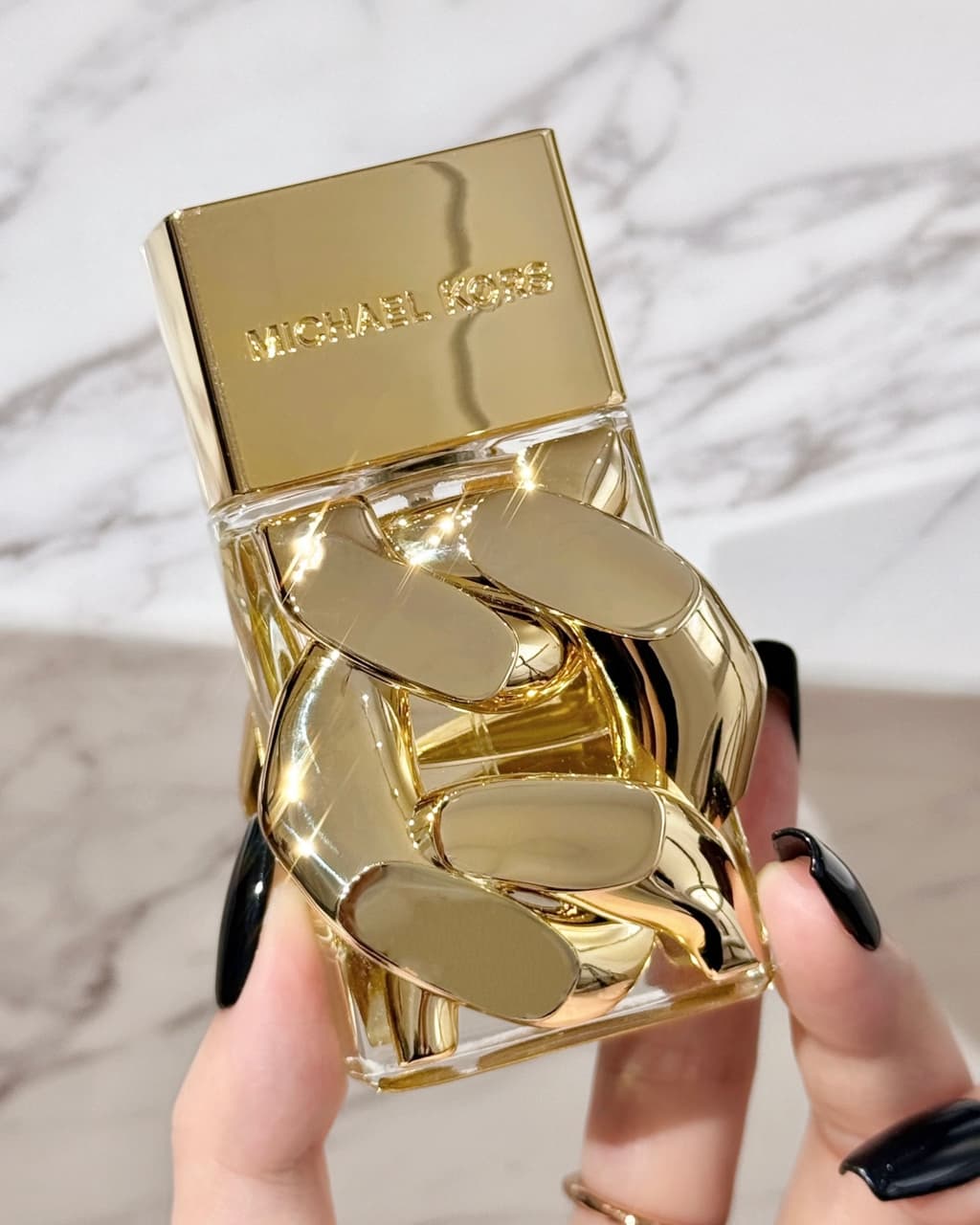
For most brands as of 2025, the buying decision is simple: use plain caps for strict cost control, metalized caps for a strong luxury look under $0.60 at lower MOQs, wooden caps for niche or eco-led collections, and magnetic caps when tactile impact matters more than unit economy. This article compares 4 cap types, unit prices, minimum order quantities, lead times, mold cost ranges, and one practical low-budget upgrade path for plain caps. It also shows where decoration add-ons such as Nickel Sticker, Resin Sticker, and Metal Plate make sense for premium branding without rebuilding the entire cap.
Need pricing for perfume bottle labels, cap badges, or premium decoration?
Send us your specs for Vinyl, UV DTF, or Nickel Stickers.
What is the perfume cap decoration cost by cap type?
The direct answer: plain caps are usually $0.05-$0.20, metalized caps $0.18-$0.60, wooden caps $0.40-$1.10, and magnetic caps $0.75-$2.20 per unit depending on MOQ and construction.
The main reason buyers search perfume cap decoration cost is that cap pricing can shift the whole packaging margin. On a fragrance retailing at $28 to $35, a $0.25 difference per cap can materially change landed cost once bottle, pump, filling, carton, and freight are added. On premium launches, the cap is also the first touchpoint. A light cap can make a $60 fragrance feel cheap, while a heavy cap can support a higher perceived shelf value.
Based on global B2B manufacturing averages and current factory-side buying patterns, these are the most practical benchmark ranges for 4 common cap categories:
| Cap Type | MOQ: 3,000 | MOQ: 10,000 | MOQ: 50,000+ | Typical Positioning |
|---|---|---|---|---|
| Plain (ABS/PP) | $0.15-$0.20 | $0.08-$0.12 | $0.05-$0.07 | Mass market, starter line, promo SKUs |
| Metalized | $0.45-$0.60 | $0.25-$0.35 | $0.18-$0.22 | Affordable premium look |
| Wooden | $0.85-$1.10 | $0.55-$0.70 | $0.40-$0.45 | Eco-led, niche, artisanal brands |
| Magnetic (Zamac) | $1.60-$2.20 | $0.95-$1.30 | $0.75-$0.85 | Luxury, flagship, giftable lines |
For indie brands, the biggest jump is usually between plain and metalized. For mature brands, the real cost debate is often between metalized ABS and true magnetic Zamac because both aim to create a luxury tactile effect. If you are narrowing down options, the next step is to compare what you actually get for the extra spend.
How do plain, metalized, wooden, and magnetic caps differ in value?
The direct answer: plain caps win on price, metalized caps win on cost-to-look ratio, wooden caps win on tactile natural appeal, and magnetic caps win on luxury feel and closing experience.
Each cap type uses a different process and raw material profile. Plastics such as PP, ABS, or Surlyn typically cost about $1.50 to $3.00 per kg. Wood often ranges from $2.00 to $4.50 per kg depending on species and certification. Zamac, the common zinc alloy used for luxury heavy caps, usually runs around $3.50 to $5.50 per kg. Magnetic closures also add neodymium magnets, usually $0.05 to $0.12 per pair before insertion and assembly.
| Feature | Plain | Metalized | Wooden | Magnetic |
|---|---|---|---|---|
| Base Material | PP / ABS / Surlyn | ABS with vacuum metallization | Ash / Beech / Bamboo + inner insert | Zamac or weighted plastic + magnets |
| Visual Impact | Basic | High metallic shine | Natural premium | Top luxury |
| Tactile Feel | Light | Medium | Warm, textured | Heavy, precise click |
| Lead Time | 20-30 days | 20-30 days | 30-45 days | 30-45 days |
| Key Risk | Feels low-value | Scratching if topcoat is weak | Grain variation | Tooling and assembly cost |
A practical example: a niche US fragrance brand selling 50 ml EDP at $32 retail often lands in the metalized or wooden range. A plain cap may save $0.30 to $0.70 per unit, but that saving can reduce shelf appeal. By contrast, a flagship SKU targeting gift stores or department counters often benefits from magnetic closure because the closing sound and weight help justify a higher retail price.
If your budget is tight, plain cap low-budget upgrade options are often the smartest middle path. Instead of changing the full cap body, brands can keep a plain molded cap and add a branded face detail such as a Nickel Sticker, dome-style Resin Sticker, or thin Metal Plate. This approach can raise perceived value while controlling tooling and per-unit cost. That is often a better first move than jumping straight to full magnetic construction.
Why does custom perfume cap cost change so much with MOQ and tooling?
The direct answer: unit cost drops fast as MOQ increases because mold cost, setup loss, finishing time, and labor are spread across more pieces.
This is where many buyers misread quotes. A cap that looks simple can still require a new injection mold, custom inner insert, logo tooling, color matching, or assembly jig. For custom perfume cap cost, the cap body is only one part of the total. The real variables are:
- Mold type: plastic injection mold or Zamac die-casting mold
- Decoration method: painting, metallization, varnish, laser mark, embossing
- Assembly complexity: insert fitting, magnet orientation, top badge placement
- QC requirements: adhesion test, pull-force test, fit test, alcohol compatibility test
| Cost Driver | Typical Range | Impact on Budget | Notes |
|---|---|---|---|
| Plastic injection mold | $800-$1,500 | Medium upfront | Common for plain or metalized ABS caps |
| Zamac die-casting mold | $1,200-$2,500 | Higher upfront | Typical for magnetic heavy caps |
| Sampling time | 7-14 days | Schedule impact | 20-30 days if new mold is needed |
| Mass production | 20-45 days | Delivery impact | Wooden and magnetic often take longer |
As of 2025, a common buying mistake is comparing a 3,000-piece pilot-run quote to a 10,000-piece standard quote from another supplier. The unit price difference can look dramatic even if the factory is not overcharging. If your launch plan includes a second run within 4 to 6 months, request both 3,000 and 10,000 piece pricing at the same time. That gives a much clearer cost curve for decision-making.
Comparing 3,000 vs 10,000 pcs for a cap project?
Send your drawing, target MOQ, and finish to get a faster factory-side comparison.
What are the best luxury perfume cap options for different brand positions?
The direct answer: metalized ABS is usually best for premium-on-a-budget, wooden caps fit eco or artisanal positioning, and magnetic Zamac is best for luxury hero products.
When buyers ask about luxury perfume cap options, they are rarely asking only about material. They are asking how much luxury feeling they can buy within a target retail bracket. A useful rule is to reverse-plan from your selling price and channel.
For startup and indie brands
If retail is below $35, metalized caps often offer the best visual return. At 3,000 pieces, $0.45 to $0.60 is manageable for many launches. If that still feels high, a plain cap with a small premium badge can work. A cap face with a custom Resin Sticker or Metal Plate can improve branding while keeping the cap structure simple.
For niche and sustainable fragrance lines
Wooden caps make sense when your story includes naturals, botanical ingredients, refillability, or FSC claims. EU demand for FSC-certified wooden caps has been rising, with market intelligence indicating growth of about 22% year on year. Buyers should still accept slight grain and tone variation from batch to batch. That variation is normal, not necessarily a defect.
For department-store or prestige launches
Magnetic caps justify themselves when physical interaction is part of the brand experience. The closing click and added weight matter more in high-touch retail. For many premium brands, paying $0.95 to $1.30 at 10,000 pieces is acceptable if the fragrance retails at $80, $120, or more.
A practical scenario: one brand targeting hotel boutiques may choose metalized caps to hold landed cost under control. The same brand may reserve magnetic caps only for gift sets or a signature extrait line. This mixed-cap strategy is often more profitable than putting the same premium cap on every SKU.
What should you ask before requesting magnetic cap perfume MOQ or a quote?
The direct answer: send size, neck standard, target MOQ, material preference, finish, use case, and destination country before asking for price.
For magnetic cap perfume MOQ and other custom cap projects, quote delays usually happen because the buyer sends only a mood board or bottle photo. Factories need structural details. Most factories ask for 10,000 units on magnetic caps because die-casting, magnet insertion, and QA add cost, although select pilot designs may start from 3,000 pieces depending on construction.
Inquiry Template for Faster Perfume Cap Pricing
- Cap size / dimensions: outer diameter, height, target weight
- Bottle neck / pump standard: for example FEA 15 or custom collar size
- MOQ: 3,000 / 10,000 / 50,000+
- Material preference: PP, ABS, Surlyn, wood, Zamac, weighted plastic
- Finish / surface treatment: plain color, soft touch, UV metallized, varnish, laser logo
- Decoration add-on: badge, Nickel Sticker, Resin Sticker, Metal Plate
- Application scenario: mass market, premium retail, gift set, travel size
- Delivery country: US, France, UAE, Australia, etc.
- Target launch date: sample deadline and mass production deadline
Buyers who provide these 9 points usually get a usable quote much faster and avoid the common back-and-forth around insert fit, finish durability, and shipping method. For perfume and cosmetics brands that also need cap-top branding or bottle decoration, WowSticker can align the cap treatment with compatible add-ons such as Nickel Sticker, Resin Sticker, and Metal Plate so the total decoration system stays visually consistent.
How can you control cost without making the cap look cheap?
The direct answer: reduce structural complexity first, then add selective decoration where the customer actually sees and touches it.
The best cost-saving strategy is not always switching materials. Often it is simplifying the body and investing only in visible details. Here are 4 common methods buyers use:
- Use metalized ABS instead of solid metal: keeps the metallic look while cutting material and transport weight.
- Add internal weight to plastic: creates a heavier hand feel without full Zamac cost.
- Upgrade only the cap face: add a badge or dome logo while keeping the main cap plain.
- Standardize insert size: using common neck standards reduces fit risk and mold changes.
One proven approach for low-budget upgrade projects is a plain cap with a premium top emblem. A small resin dome or nickel badge can add brand recognition at relatively low incremental cost, especially compared with new magnetic tooling. That is why decoration suppliers such as WowSticker are often involved even when the cap itself is sourced elsewhere.
| Upgrade Method | Typical Cost Effect | Best For | Main Caution |
|---|---|---|---|
| Plain cap + badge | Low to medium increase | Startups, seasonal editions | Badge alignment must be consistent |
| Metalized ABS | Medium increase | Premium retail under $50 | Need UV topcoat to reduce scratching |
| Weighted plastic | Medium increase | Luxury feel with lower cost than Zamac | Assembly complexity increases |
| Magnetic Zamac | High increase | Hero SKU, prestige launch | MOQ and tooling are higher |
For related cap-top decoration, a benchmark from WowSticker pricing is shown below for resin emblem reference work:
| Product | MOQ | Unit Price (USD) | Lead Time | Notes |
|---|---|---|---|---|
| Resin Sticker 20x20mm | 500 pcs | $0.058 | Estimated by artwork and finish | Based on $28.98 per 500 pcs |
If you are comparing options now, the next action is to decide whether your brand needs a structural cap upgrade or only a visual cap-face upgrade. That choice usually saves more money than negotiating a few cents off the base quote.
Need help choosing between full cap upgrade and badge-only decoration?
Share your bottle photo, MOQ, and target retail price for a practical recommendation.
How should buyers make the final cap decision?
The direct answer: choose the cap based on retail positioning, not material preference alone.
If your target customer buys on price, plain or metalized usually makes the most sense. If your target customer buys on ritual and tactile experience, wooden or magnetic may create better value despite higher unit cost. Also look at total project timing: plain and metalized caps often fit a faster 20-30 day production cycle, while wooden and magnetic projects can take 30-45 days plus logistics. With air freight at 7-10 days and ocean freight at 25-40 days, most teams should still plan a 90-day concept-to-delivery window.
For procurement teams, the smartest final check is to test 3 things before approval: cap fit consistency, scratch resistance or varnish durability, and alcohol compatibility of the insert. For magnetic projects, add pull-force testing because weak magnet retention becomes a real field issue after repeated opening cycles. For metalized projects, ask for cross-hatch adhesion testing to reduce flaking risk.
In short, perfume cap decoration cost is not only about the lowest unit price. It is about matching cap feel, MOQ, lead time, and decoration logic to your brand’s commercial reality. Buyers who do that early usually avoid expensive redesigns later.
FAQ
What is the magnetic cap perfume MOQ?
Most factories ask for around 10,000 units for magnetic caps because die-casting, magnet insertion, and assembly control increase cost. Some pilot-run options can start at 3,000 units for selected structures, but pricing will be higher. If you are testing a new fragrance line, ask for both 3,000 and 10,000 piece scenarios so you can compare launch risk versus unit economics.
How much does a custom perfume cap mold cost?
Standard plastic injection molds usually range from $800 to $1,500. Heavier Zamac die-casting molds for magnetic caps often range from $1,200 to $2,500 depending on design complexity and tolerance. Mold cost should be reviewed together with projected reorder volume. A higher mold cost may still make sense if the cap design will run across multiple SKUs for 12 months or longer.
Which option is better for a startup brand?
For most startup brands, metalized ABS is the safest middle ground. It gives a premium look without the full cost of wood or magnetic construction. If the budget is tighter, a plain cap with a branded top emblem such as a nickel, resin, or metal badge can work well. Startups should focus on visual impact at 3,000-piece MOQ before investing in expensive tooling.
What should I send before asking for a quote?
Send cap size, bottle neck standard, target MOQ, material preference, finish, delivery country, and launch timing. If you have it, include a 2D drawing or 3D file and a bottle photo with dimensions. Without these details, suppliers can only give a broad estimate. Better inquiry data usually means fewer revisions, faster sampling, and more accurate landed-cost planning.
Is a magnetic cap worth the extra cost?
It depends on your retail price and channel. Magnetic caps are usually worth the premium for hero SKUs, gift sets, or prestige launches where touch and closing sound affect perceived value. They are less practical for budget lines or high-volume promotional products. A good rule is to reserve magnetic caps for products where the extra $0.60 to $1.00 per unit can be justified by higher retail margin.
Which perfume cap decoration cost is the lowest?
Plain injection-molded plastic caps are the lowest-cost option, often dropping below $0.10 per piece at higher volumes such as 10,000 to 50,000+ units. At smaller runs like 3,000 pieces, prices are usually around $0.15 to $0.20. If you want a slightly better look without a major cost jump, metalized ABS is often the next logical step.