wowsti copyright notice: This article is prepared for WowSticker packaging and label buyers. Reproduction, quotation, excerpting, or commercial reuse requires prior permission from wowsti.
The seller problem: perfume choice is too abstract
Perfume is a crowded category. Luxury houses compete with heritage and global recognition. Budget sellers compete with price. New fragrance brands sit in the middle, trying to win attention in a market where most scent families, bottle shapes, and premium cues have already been used many times.
That means a new seller should not only ask, "What scent can we produce?" A better question is: "How can we help the customer choose?"
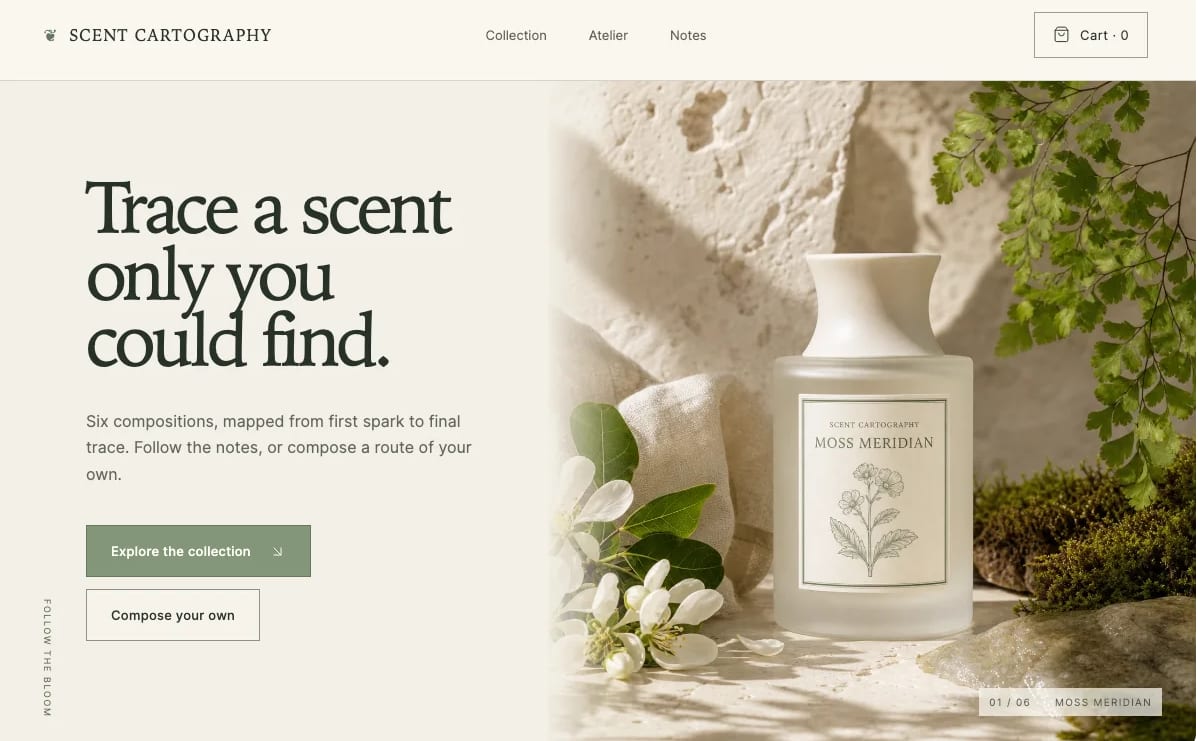
OpenAI's Scent Cartography showcase is useful because it shows a complete decision path: discover a fragrance line, open product details, customize notes, and save the result into a local cart. The lesson is not the exact color palette. The lesson is the mechanism.
The commercial lesson: stop acting only as the producer
Old fragrance selling is producer-led: the brand chooses the scent, name, bottle, label, and story, then asks the customer to accept it. That works better for famous brands than for new sellers.
A newer brand can compete by becoming a service guide. Let the customer choose a direction. Show instant feedback. Save the result. This does not require a full factory system on day one. It requires a convincing prototype of the buying experience.
A 1-hour Codex prototype plan for fragrance sellers
A seller can ask Codex to build a first working prototype in about one hour if the scope is tight. Do not start with payments, accounts, or a full backend. Start with the decision loop.
| Time | Build target | Seller outcome |
|---|---|---|
| 0-10 min | Define 3 fictional products | A small collection is enough to test positioning. |
| 10-25 min | Create one product detail overlay | Customers can understand story, notes, size, and price. |
| 25-45 min | Add top, heart, and base note choices | 3 x 3 x 3 options create 27 possible scent directions. |
| 45-55 min | Update name, bottle label, image, and copy on click | The customer sees what changed and why. |
| 55-60 min | Save the result to a local cart | The prototype proves the full decision path without real checkout. |
What should change when the customer clicks?
A customization tool is weak if it only has dropdown menus. It becomes useful when every choice updates visible proof. For a fragrance seller, each click should change at least three things:
- Name: the custom scent gets a new product identity.
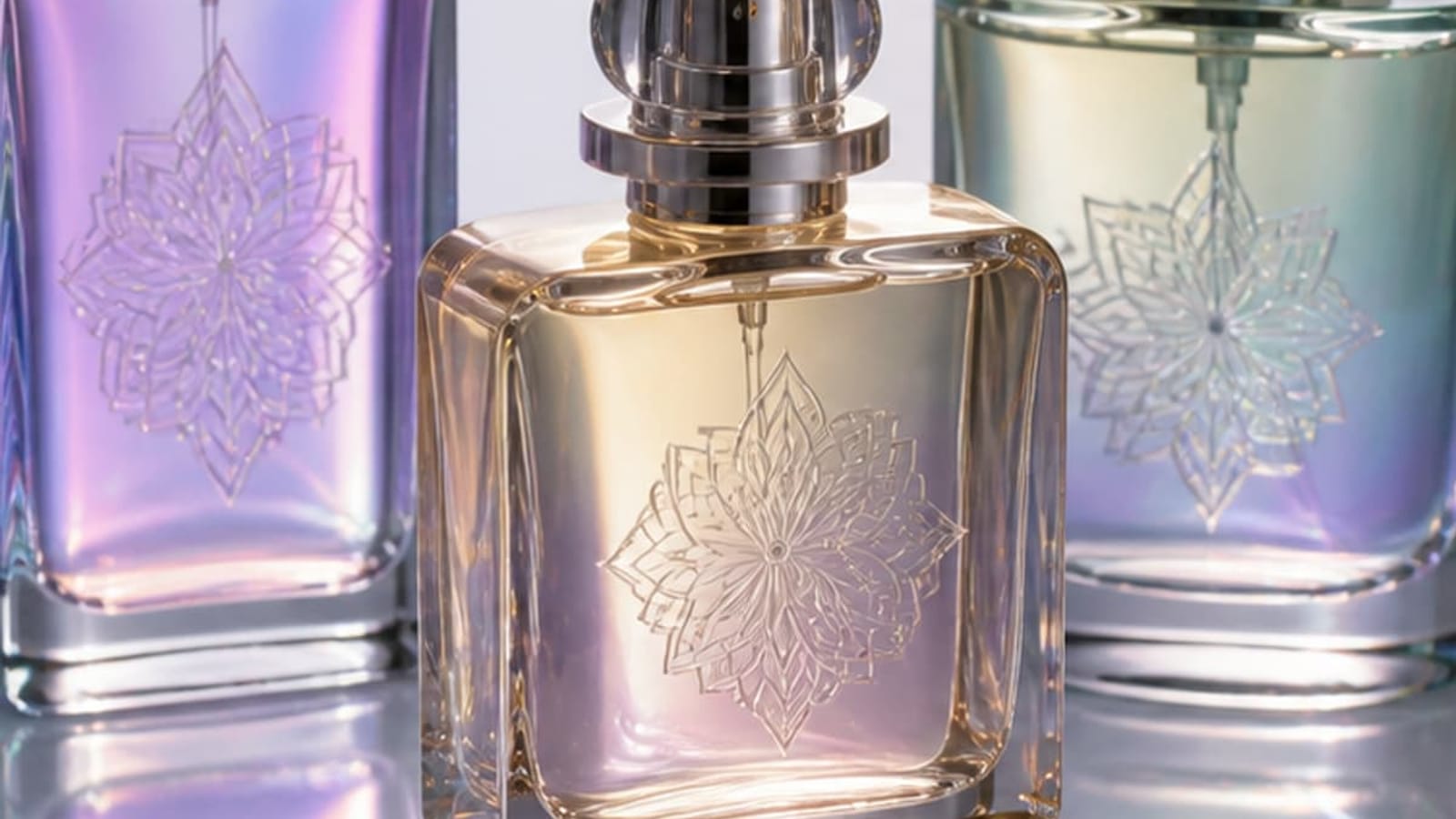
- Visual: the bottle label, color, botanical mark, or packaging mockup changes.
- Description: the copy explains the new scent direction in plain language.
- Saved result: the selected notes remain in the cart after refresh.
This is where the experience becomes commercial. The customer no longer feels they are reading a static product page. They feel they are building a fragrance direction with the brand.
How this applies to perfume packaging
Fragrance choice is abstract. Packaging choice is also abstract. Buyers often do not know whether they need a matte label, clear vinyl, UV DTF transfer, nickel sticker, resin emblem, or metal plate. They only know the final bottle should feel premium, durable, and worth buying.
That is why packaging suppliers should also move from catalog pages to guided experiences. A better WowSticker-style workflow could let a buyer choose:
- bottle surface: clear glass, frosted glass, amber glass, cap, carton, or sample vial;
- decoration method: vinyl label, UV DTF, nickel sticker, resin sticker, or metal plate;
- finish: matte, glossy, transparent, metallic, textured, or no-label look;
- result: updated preview, quote-ready specs, and a saved inquiry list.
Four acceptance tests before calling it useful
A demo should not be judged only by screenshots. Before a seller uses it in marketing or customer research, test four things:
- Changing notes or materials updates at least three visible outputs.
- The selected product can be saved and remains after page refresh.
- Main buttons work on mobile.
- If there is no real payment, the page says clearly that checkout is a local preview.
Supplier Spec Checklist for a Custom Scent Demo
Before turning the prototype into packaging production, prepare a simple inquiry template. Send the supplier your bottle photo, front label size, back label size, logo file, preferred material, finish direction, target quantity, destination market, and whether the pack will face alcohol, oil, heat, or frequent handling.
- Product direction: collection size, price level, and whether the customer can customize notes.
- Label system: Vinyl Sticker, UV DTF Sticker, Nickel Sticker, Resin Sticker, Metal Plate, or mixed decoration.
- Preview assets: bottle photos, label mockups, color references, and any botanical or emblem variants.
- Quote details: sample quantity, bulk quantity, delivery country, packing requirement, and approval timeline.
FAQ
Can a perfume seller really build a useful customization demo in one hour?
Yes, if the scope is small. Three products, one detail overlay, three note groups, live label feedback, and a local cart are enough to test whether customers understand the offer.
Does the demo need real payment or a backend?
No. For early validation, the core job is to prove the decision path. Real checkout, accounts, and inventory can come later after the seller knows which choices customers actually use.
How does this connect to WowSticker packaging?
The same workflow can help buyers preview bottle labels, decoration methods, finishes, and quote-ready specifications before sampling. That makes the first supplier conversation much more precise.
The takeaway for new fragrance brands
Perfume is old, emotional, and competitive. A new brand may not beat heritage brands by claiming a completely new scent universe. But it can still feel new by giving customers more control over the path to the final product.
Codex makes this practical because sellers can prototype the experience quickly: collection, detail, customization, preview, and local cart. The point is not to copy Scent Cartography. The point is to copy the product mechanism: choice, feedback, and saved intent.
Want packaging that supports a custom fragrance experience?
WowSticker helps perfume brands turn scent positioning into bottle labels, UV DTF transfers, nickel stickers, resin emblems, metal plates, and quote-ready packaging decoration plans.
Send your bottle and label ideaReady to check the label option for your perfume packaging?
Share your bottle photo, label size, artwork file, target quantity, destination country, and any alcohol or oil exposure concerns. WowSticker can help turn those details into a quote-ready label specification.
Preview logo placement online before sampling, or send your packaging question for a material recommendation.