Perfume Box Finishes Guide: Foil, Embossing, Spot UV, and Labels
For most perfume brands, the right finish adds about $0.03 to $0.15 per box for each upgrade, while premium labels can add a luxury look without rebuilding the full carton. In practical terms, a standard rigid perfume box may start near $1.20 per unit, then move to roughly $1.50 to $2.80 depending on finish combination, MOQ, and tooling. That is the short answer most buyers want from a perfume box finishes guide: foil gives shine, embossing adds touch, Spot UV gives contrast, and labels add flexibility. WowSticker (wowsti.com) has years of factory-direct experience in custom labels, stickers, and packaging decoration for perfume and cosmetics brands worldwide. If you are comparing finish options for a new launch or a refillable fragrance line, getting the structure, MOQ, and decoration method aligned early will save both budget and lead time.
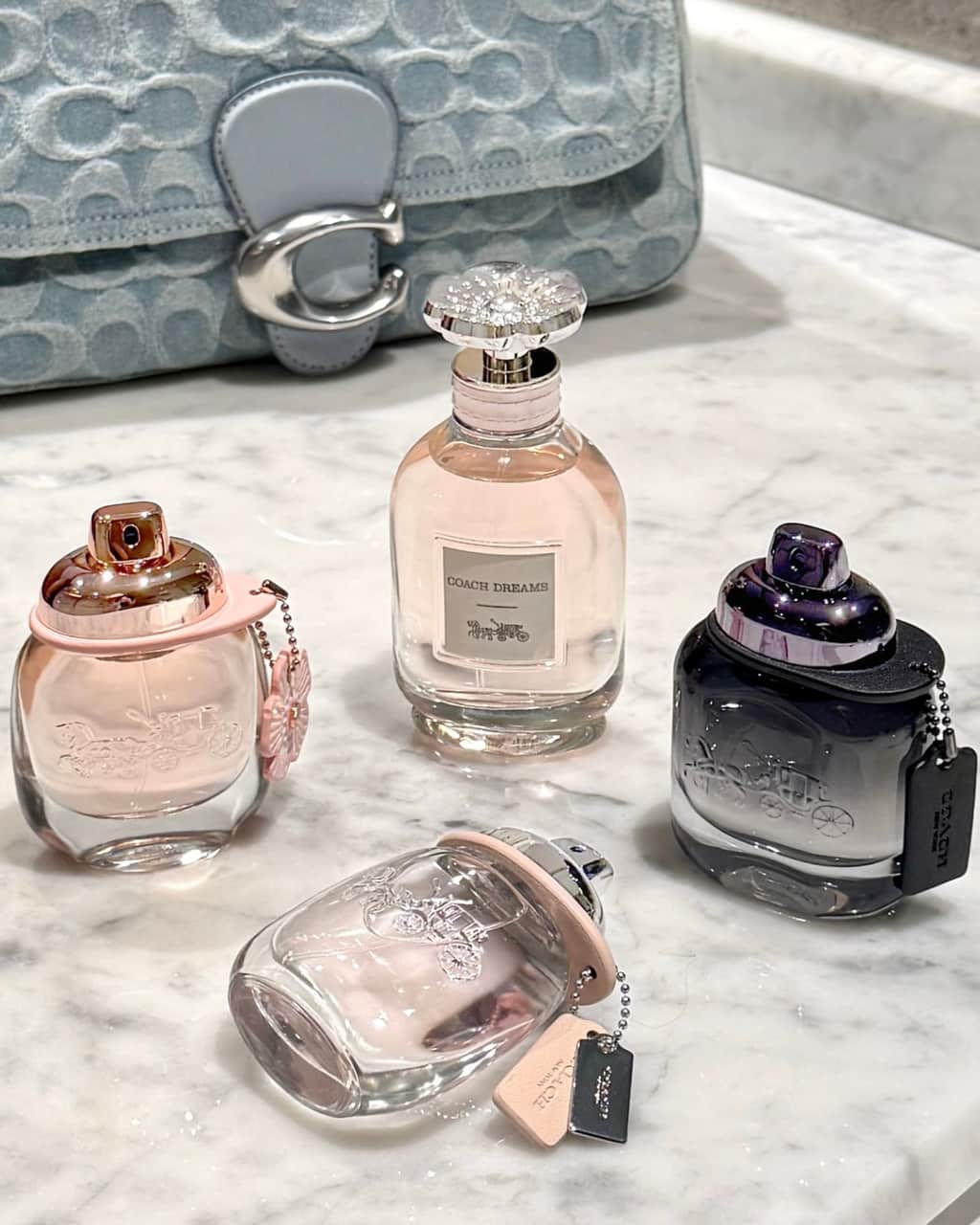
The four most requested upgrades in premium perfume box decoration are hot foil stamping, embossing or debossing, Spot UV, and decorative labels. Each one changes cost, tactile feel, registration risk, and MOQ. For indie perfume brands targeting a retail price of $100 to $300, the finish decision is rarely cosmetic only; it affects shelf impact, unboxing value, and production complexity. US buyers often want agile SKU changes with labels and Spot UV, EU brands lean toward deep embossing and metallic foil on rigid FSC boxes, and APAC brands often push premiumization with cost-efficient contrast effects. This guide explains what each finish does, what it usually costs in USD, where it fails, and which option fits a startup, a limited edition, or a multi-SKU global launch.
Need pricing for perfume bottle labels, cap badges, or premium decoration?
Send us your specs for Vinyl, UV DTF, or Nickel Stickers.
What does a perfume box finishes guide actually help you decide?
It helps you match visual effect, unit cost, MOQ, and production risk before you approve artwork. Most buyers are not really asking what foil or embossing means. They are asking which finish makes a perfume box look expensive at the lowest acceptable cost, and which combination will still run cleanly at 500, 1,000, or 3,000 units.
As of 2025, four finish categories dominate fragrance packaging decisions: foil, embossing, Spot UV, and labels. Their appeal is simple. Foil creates metallic reflection. Embossing creates touch and depth. Spot UV creates selective gloss contrast on a matte surface. Labels create design flexibility, especially when one master box supports several fragrances or regional versions.
For procurement teams, the real decision points are usually these:
| Finish | Main Effect | Typical Cost Increase | MOQ Sensitivity | Best Use |
|---|---|---|---|---|
| Hot Foil Stamping | Metallic shine | +$0.08 to $0.15/unit | Medium to High | Logo, borders, premium crest |
| Embossing / Debossing | Raised or recessed texture | +$0.04 to $0.09/unit | Medium to High | Brand mark, tactile luxury |
| Spot UV | Gloss-on-matte contrast | +$0.03 to $0.07/unit | Low to Medium | Patterns, typography, cost-efficient premium look |
| Premium Labels | Flexible visual upgrade | +$0.05 to $0.12/unit | Low | Multi-SKU programs, fast revisions |
The next step is to choose a finish based not on trend, but on substrate, artwork detail, and order volume.
How much do foil, embossing, Spot UV, and labels cost on perfume boxes?
For a standard rigid perfume box, base cost is often around $1.20, then each finish adds a measurable uplift plus possible tooling. This is where many generic design articles fail. Buyers need cost increments, not just definitions.
Based on the available market data, a rigid perfume box commonly starts at about $1.20 per unit before premium finishing. Add-on costs generally fall into these ranges:
| Product | MOQ | Unit Price (USD) | Lead Time | Notes |
|---|---|---|---|---|
| Rigid perfume box, base structure | 1,000 pcs | $1.20 approx. | 18-25 days | No premium finish included |
| Hot Foil Stamping add-on | 1,000 pcs | +$0.08 to $0.15/unit | +2-4 days | Copper plate tooling usually $50-$80 |
| Embossing / Debossing add-on | 1,000 pcs | +$0.04 to $0.09/unit | +2-4 days | Tooling usually $40-$70 |
| Spot UV add-on | 1,000 pcs | +$0.03 to $0.07/unit | +1-3 days | No physical mold needed in most cases |
| Premium decorative label add-on | 1,000 pcs | +$0.05 to $0.12/unit | +2-5 days | Metalized or textured label effect |
| 500-unit test launch box with multiple finishes | 500 pcs | About $2.80/box | 20-30 days | Tooling heavily impacts per-unit cost |
| 1,000-unit indie fragrance run | 1,000 pcs | About $1.85/box | 18-28 days | Often the practical sweet spot |
For decoration add-ons outside the full carton, Source C also shows how lower-cost label elements can work for perfume and cosmetics packaging programs. For example, a 60x40mm vinyl label at 1,000 pcs is listed at $22.63 total, and a 25x25mm resin sticker at 500 pcs is listed at $28.98 total. That makes labels and badges useful when the box itself stays standard but the branding needs a premium touch.
| Product Spec | MOQ | Unit Price (USD) | Lead Time | Notes |
|---|---|---|---|---|
| Resin Sticker 25x25mm | 500 pcs | $28.98 total | Estimated by project | Domed premium badge effect for cap, box, or gift set |
| Vinyl Sticker 60x40mm | 1,000 pcs | $22.63 total | Estimated by project | Flexible SKU labeling and promotional decoration |
Comparing foil embossing perfume box cost for your SKU plan?
Send box size, MOQ, and finish combination for a faster factory comparison.
Which finish is best for luxury impact: foil, embossing, Spot UV, or labels?
Foil wins on visual luxury, embossing wins on tactile luxury, Spot UV wins on cost-efficient contrast, and labels win on SKU flexibility. The best choice depends on what the customer sees first, touches second, and what your operations team must manage after launch.
How does foil perform on perfume boxes?
Hot foil stamping is still the fastest way to signal premium value. Gold, silver, rose gold, and holographic foil are common, but for perfume boxes the real value is restraint. A logo under 60mm wide, fine border lines above 0.25mm, and 1 to 2 foil zones usually produce the cleanest result. Too much foil raises defect risk and can make a fragrance box look mass-market rather than premium.
Use foil when your brand relies on crest marks, serif logotypes, or metallic heritage cues. Avoid it on rough paper, soft fibers, or artwork with tiny microtext.
How does embossing compare?
Embossing creates a raised shape; debossing presses the design inward. Both work well for perfume because fragrance is sold through emotion, and touch reinforces quality. Deep embossing usually needs 300gsm+ board or a rigid wrapped structure to avoid fiber breakage. On thin folding cartons, shallow embossing is safer.
Embossing works best for one hero area, such as a centered logo or pattern. On multi-panel boxes with tight folds, registration becomes harder and lead time rises.
Why is spot UV perfume packaging so popular?
Spot UV perfume packaging gives one of the best cost-to-impact ratios. It adds selective gloss on top of a matte laminate or soft-touch surface, making logos or patterns visible only when light hits them. This is especially effective for dark navy, black, forest green, and ivory perfume cartons.
The limit is structural. Spot UV should not cross fold lines or hinge areas because the cured coating can crack. Keep it on flat presentation panels for best results.
When are labels the smarter option?
Labels are often the practical answer when brands need one premium box structure for 3 to 10 fragrance variants. A blank or minimally printed master box can be produced in volume, then variant labels can be applied later for scent names, market language, or limited edition collections. This lowers obsolete inventory risk.
For cosmetics and perfume gift sets, labels also help with seasonal updates. A well-made label can look premium, but application accuracy matters. A 1mm alignment error is visible immediately on a luxury carton.
How do MOQ thresholds change your finish choice?
MOQ is often the deciding factor because tooling and setup costs make some finishes uneconomical below 1,000 units. This matters most for startup perfume brands, regional launches, and holiday editions.
At 500 units, premium finishing is possible, but the per-unit burden is high. A tooling fee of $50 to $80 on foil and $40 to $70 on embossing is manageable at 3,000 units but heavy at 500. That is why many early-stage brands choose one visual finish plus one flexible label element instead of stacking three techniques.
| MOQ Tier | What Usually Works Best | What to Avoid | Typical Buyer Type |
|---|---|---|---|
| 500 pcs | Spot UV, premium labels, selective foil | Too many tooling-heavy combinations | Test launch, seasonal edition |
| 1,000 pcs | Foil + embossing, Spot UV + label, rigid box upgrade | Overly complex multi-panel registration | Indie fragrance brand |
| 3,000+ pcs | Stable luxury combinations with custom tooling | Late artwork changes after tooling approval | Scaled retail or multi-market launch |
| 10,000+ pcs | Deep embossing, multiple foils, advanced premium programs | Local manual relabeling if automation is needed | Established luxury house |
A real-world example: a founder launching three 50ml fragrances in the US may want 500 boxes per scent. If each version needs separate foil and emboss tooling, the setup cost multiplies across SKUs. A smarter route is one common box with either Spot UV or a single foil logo, then variant identification through a premium label. That keeps the luxury look while reducing dead stock risk.
WowSticker is relevant here because many perfume and cosmetics buyers do not need a full large-format print rerun just to create effect. In projects where no full master print overhaul is needed, decorative elements such as Nickel Sticker, Resin Sticker, and Metal Plate can add premium visual value on gift boxes, lids, inserts, and secondary packaging with more flexible MOQs. That is especially useful for deluxe sets, influencer kits, or market tests.
What should you send for a faster quote?
To price your perfume packaging accurately, send these details in one message:
- Box size or flat dieline dimensions
- MOQ per SKU and total quantity
- Material preference: rigid box, folding carton, label-only, badge-only
- Finish or surface treatment: foil, embossing, Spot UV, matte lamination, soft-touch, label type
- Application scenario: perfume box front panel, bottle cap, gift set, sample kit, retail sleeve
- Delivery country and target deadline
If artwork is not final, a reference photo plus logo file is still enough to start budget planning.
What is the safest finish combination for startups and multi-SKU perfume brands?
The safest combination is usually one core carton finish plus one flexible labeling element. For most emerging fragrance brands, the goal is not maximum decoration. It is consistent premium perception with low rework risk.
Three combinations tend to perform well:
| Combination | Cost Level | Strength | Best For |
|---|---|---|---|
| Matte box + Spot UV logo | Low to Medium | Premium look with limited cost increase | Startup perfume brands |
| Foil logo + shallow emboss | Medium | Classic luxury impact | Core hero SKU |
| Standard box + premium label or badge | Low to Medium | Flexible SKU management | Variants, market testing, gift sets |
If the box itself must stay simple, decorative labels can carry much of the visual work. Options such as UV DTF Sticker can support hard-surface decoration, while Vinyl Sticker remains useful for controlled, cost-efficient variant marking. For more tactile and premium details, a small Resin Sticker can work on presentation kits, and a Nickel Sticker can create a more metal-like brand signature.
As a factory-side rule, it is better to execute one finish perfectly than three finishes poorly. Registration tolerance, board quality, and packing protection matter just as much as the selected effect. WowSticker usually sees the best repeat-order results when brands simplify decoration on secondary panels and focus budget on the front-facing hero area.
Choosing between Spot UV, labels, or metal-look decoration for your perfume launch?
Share your MOQ and destination country to compare the most practical premium options.
Why do some premium perfume box decoration projects fail in production?
Most failures come from artwork detail, substrate mismatch, and unrealistic finish stacking. The decoration concept may look good on screen but break down on the press line or during hand assembly.
Common failure points include:
- Foil lines that are too thin, causing broken metallic coverage
- Emboss depth specified on paperboard that is too light, leading to cracking
- Spot UV placed over folds, causing fractures after carton forming
- Labels applied manually without a placement guide, creating visible skew
- Multiple finish layers on one small logo, reducing edge clarity
A practical check before mass production is to review these four points: board thickness, final logo size, finish registration tolerance, and shipping durability. Perfume and cosmetics boxes often travel through cross-border logistics, retail shelving, and consumer handling. A finish that looks good in a lab sample but scuffs in transit is not a good finish.
This is also where an experienced supplier matters. WowSticker works across labels, badges, and packaging decoration, so the recommendation does not need to default to one process only. Sometimes the right answer is a box finish. Sometimes it is a label or a metal-look badge that gives similar impact with less tooling.
What is the practical next step after reading this perfume box finishes guide?
Shortlist one primary finish, one backup option, and confirm MOQ before artwork approval. If your budget is tight, start with Spot UV or a premium label system. If your hero SKU needs stronger luxury codes, use foil with controlled embossing. If you have multiple scents or languages, protect flexibility with labels or decorative badges instead of separate full carton runs.
The most efficient buying process is simple: confirm structure, decide whether the premium effect belongs on the box or on an applied label element, then quote at 500, 1,000, and 3,000 units side by side. That comparison will usually show where premium perception and cost meet. For fragrance brands selling into the US, EU, and APAC, that discipline prevents expensive over-decoration and avoids MOQ traps.
FAQ
Which option is better for a startup brand: foil, Spot UV, or labels?
For most startups, Spot UV or premium labels are the safer first choice. Spot UV adds a luxury look at about $0.03 to $0.07 per unit and does not usually need a physical mold. Labels also help if you are testing multiple scents or markets. Foil is stronger visually, but tooling fees and registration demands make it less forgiving at low volumes.
What should I send before asking for a quote?
Send six items: box size or dieline, quantity per SKU, material preference, finish requirement, application scenario, and delivery country. If you have no final artwork yet, a logo file and a reference image are enough for budget planning. This helps compare foil embossing perfume box cost against simpler options like labels or Spot UV without repeated revisions.
Is foil plus embossing worth the extra cost?
Usually yes for a hero SKU, less so for a full low-volume range. Foil plus embossing gives both shine and touch, which is ideal for premium perfume box decoration. But it adds tooling, extra setup, and more registration sensitivity. If your MOQ is only 500 units, the uplift may be hard to justify unless the box is central to the brand positioning.
How much does spot UV perfume packaging usually add?
Spot UV commonly adds about $0.03 to $0.07 per unit on top of the base box cost, depending on coverage area, substrate, and order volume. It is one of the most cost-efficient premium finishes because it creates a visible contrast on matte surfaces without the higher tooling burden of foil or embossing.
Can labels look premium enough for luxury perfume packaging?
Yes, if the label material, finish, and application accuracy are controlled. Metalized, textured, resin, or nickel-effect labels can work well on perfume gift sets, sleeves, and limited editions. The key issue is placement. On luxury packaging, even a small alignment error can look cheap, so label positioning and quality control matter as much as material choice.
What MOQ is realistic for premium perfume packaging?
For most independent fragrance brands, 1,000 units is the practical starting point. At 500 units, premium finishing is still possible, but setup and tooling fees raise the unit cost quickly. At 1,000 units, the cost curve usually improves enough to make foil, embossing, or premium label systems more commercially reasonable.