Paper Label vs Vinyl Label for Alcohol-Based Perfume Packaging
For most alcohol-based fragrance bottles, the short answer is clear: vinyl is the safer choice than paper, especially when the formula contains 70-80% ethanol and the bottle may face spills, rubbing, humidity, and long-distance shipping. In real B2B buying terms, paper may save only a few cents per unit, but failed labels can drive rework rates from about 0.5% on synthetic constructions to as high as 18% on untreated paper. WowSticker (wowsti.com) has years of factory-direct experience in custom labels, stickers, and packaging decoration for perfume and cosmetics brands worldwide, and in perfume projects the more stable bottle solution is usually Vinyl Sticker rather than standard paper. If you are choosing between aesthetics and durability, test before mass production and lock the material early.
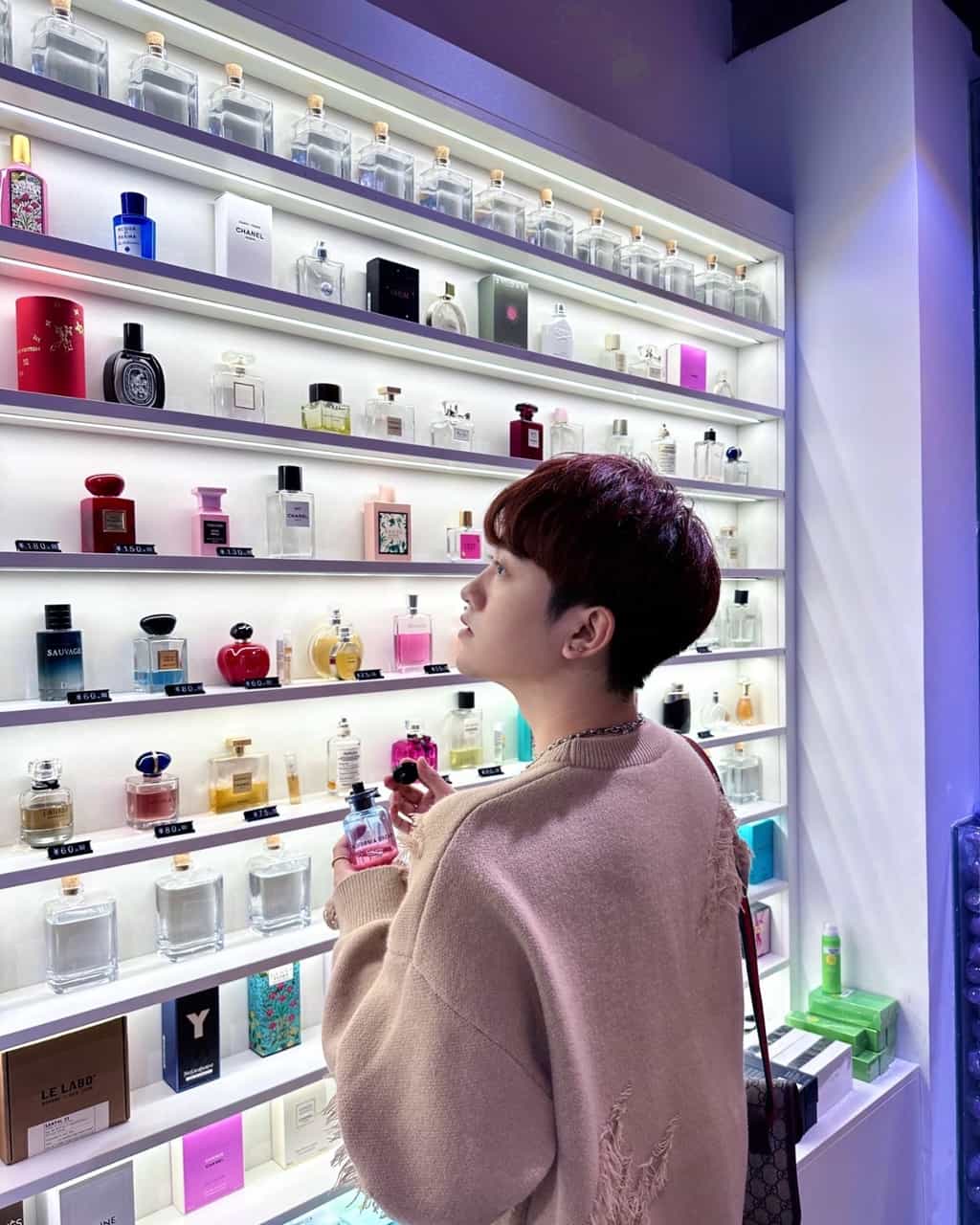
The key issue in paper vs vinyl label perfume selection is not just waterproofing. Alcohol resistance, edge lifting on curved glass, ink rub performance, and total rework cost matter more than the base substrate price. This guide compares paper labels, vinyl labels, and where UV DTF Sticker fits as a decoration option for perfume and cosmetics packaging.
Need pricing for perfume bottle labels, cap badges, or premium decoration?
Send us your specs for Vinyl, UV DTF, or Nickel Stickers.
What is the better choice in paper vs vinyl label perfume projects?
Vinyl is usually the better choice for alcohol-based perfume packaging because it handles ethanol exposure, moisture, and bottle handling more reliably than paper.
For perfume brands, the label is touched often, wiped often, and sometimes exposed to leaks from atomizers or filling lines. That means a standard paper label can look premium on day one but fail during warehousing, transit, or retail use. A vinyl or other synthetic face stock with the right laminate and adhesive gives a better safety margin.
Factory-side testing matters here. A label that survives water is not automatically an alcohol resistant perfume label. Ethanol can attack ink layers, soften low-grade adhesives, and stain porous paper surfaces. This is why many generic online comparisons are not useful for fragrance buyers.
| Feature | Paper Label | Vinyl Label |
|---|---|---|
| Alcohol exposure | Weak unless heavily laminated or varnished | Strong with proper laminate and permanent adhesive |
| Water resistance | Low to medium | High |
| Typical rework rate | Up to 18% for untreated paper in perfume use | About 0.5% for synthetic constructions |
| Luxury tactile feel | Very strong, especially textured paper | Can be improved with soft-touch matte laminate |
| Curved glass performance | More risk of edge lift | Better flexibility and conformability |
| Best use | Outer box, dry secondary packaging, low-risk lines | Direct bottle labels for alcohol-based fragrance |
How do paper and vinyl perform in alcohol resistance tests?
In alcohol contact and rub testing, vinyl clearly outperforms paper for direct perfume bottle application.
The practical benchmark is not “looks good on the roll.” It is whether the printed label survives ethanol contact after filling, capping, shipping, and consumer handling. A common QC method is the 75% ethanol rub test. In this test, alcohol-soaked pads are rubbed across the label surface. For premium perfume applications, buyers should expect 50+ rubs without visible ink transfer or surface damage on a properly built synthetic label.
Untreated paper generally absorbs alcohol and perfume oil quickly. Even when the print does not smear immediately, staining, softening, and edge curling can appear within days. Heavily laminated paper can improve resistance, but that often removes the natural textured look that brands wanted in the first place.
| Test Point | Standard Paper | Laminated Paper | Vinyl / Synthetic Label |
|---|---|---|---|
| 75% ethanol rub test | High failure risk | Moderate, depends on laminate seal | Usually passes 50+ rubs with correct build |
| Perfume oil staining | High risk | Reduced but still possible at edges | Low risk |
| Ink transfer risk | Medium to high | Medium | Low with UV ink + laminate |
| Edge flagging on curved glass | Medium to high | Medium | Low to medium depending on adhesive |
A buyer example: a niche fragrance brand shipping 50ml bottles to North America and the EU may see labels rubbed during repacking, customs checks, and retail shelf handling. A paper face stock that works on an outer carton may fail on the bottle itself. That is why WowSticker usually recommends Vinyl Sticker as the more stable perfume bottle solution, then adjusts finish and adhesive to match the brand look.
What is the cost difference between paper and vinyl labels?
Vinyl costs more per unit than paper, but the gap is usually small compared with the cost of failures, returns, and rework.
Based on supplied market data for a standard 30mm x 50mm perfume label with full-color print and gold foil, vinyl typically costs about 30-50% more than paper. But at production scale, this can mean a difference of only $0.01 to $0.03 per label. For a perfume retailing at $60 to $150, that saving is often too small to justify the risk.
Raw material economics also show the same pattern. Standard coated paper can be as low as $0.02-$0.04 per square meter, while standard vinyl is around $0.12-$0.20 per square meter, and specialty alcohol-resistant synthetic materials can reach $0.25-$0.40 per square meter. However, material cost alone is only one part of the final label cost. Setup, embellishment, waste, QC, and rework often matter more.
| Run Size | Paper Label Unit Price (USD) | Vinyl Label Unit Price (USD) | Cost Gap | Comment |
|---|---|---|---|---|
| 500 pcs | $0.18 | $0.28 | $0.10 | Setup cost is spread over a small run |
| 5,000 pcs | $0.06 | $0.09 | $0.03 | Typical indie or growing brand level |
| 50,000 pcs | $0.015 | $0.025 | $0.010 | Mass production gap becomes very small |
| Product | MOQ | Unit Price (USD) | Lead Time | Notes |
|---|---|---|---|---|
| WowSticker Vinyl Label 50x30mm | 1,000 pcs | $0.0183 | Sample 3-5 days, production 7-12 days | Factory-direct estimate from WowSticker pricing engine |
| WowSticker UV DTF Sticker 50x30mm | 1,000 pcs | $0.0483 | Sample 3-5 days, production 7-12 days | Good for raised decoration, not a direct paper substitute |
Comparing paper, vinyl, and UV DTF for a new fragrance launch?
Send your bottle size, order quantity, and finish needs for fast factory feedback.
Why does vinyl reduce rework and return risk on perfume bottles?
Vinyl reduces rework because it is less likely to absorb alcohol, stain, crack, or lift at the edges during filling, shipping, and consumer use.
The strongest operational argument for vinyl is not appearance. It is process stability. Data from the source set shows untreated paper can create rework rates around 18% in perfume conditions, while synthetic constructions can stay near 0.5%. That is a major difference for procurement teams managing margin and launch timing.
Consider a batch of 10,000 perfume bottles. At an 18% rework rate, 1,800 units may need relabeling, scrapping, or manual correction. At a 0.5% rate, that drops to 50 units. Even if labor to rework one bottle is only $0.40 to $1.20, the hidden cost becomes large very quickly. The delay cost is often worse than the material cost.
Typical failure points include:
- Edge flagging on 30ml and 50ml curved bottles
- Smudging after alcohol wipe-down on filling lines
- Paper staining from fragrance oil contact
- Surface damage during carton repacking and retail handling
For brands that still want a paper-like luxury feel, the practical compromise is a matte or soft-touch laminated vinyl structure. This gives a more premium hand feel while keeping the label functional. In many best label for perfume packaging decisions, this hybrid visual strategy solves the designer-versus-procurement conflict.
What label material is best for premium fragrance aesthetics?
Paper looks more naturally artisanal, but vinyl can achieve a premium result when paired with the right surface finish, foil, and bottle-matched adhesive.
Design teams often prefer paper because embossing, debossing, and textured stock create a luxury effect with less effort. This is true for rigid boxes, discovery set sleeves, and dry secondary packaging. But direct bottle application is a harsher environment than a carton wall.
For bottle labels, premium does not have to mean paper. A high-quality Vinyl Sticker with soft-touch matte laminate, high-opacity white ink, and gold foil can look refined instead of glossy. This is a useful option for niche fragrance, cosmetics, and travel-size perfume lines that need both elegance and protection.
Where does UV DTF Sticker fit? It is best used as a decorative layer for logos, emblems, or raised branding on bottles, caps, and boxes. It is not usually the first choice as the main information label when regulatory text, batch coding, and broad panel coverage are required. However, for premium cosmetics and fragrance gifting, UV DTF can add a strong 3D branding effect.
| Packaging Area | Best Material Choice | Why |
|---|---|---|
| Direct perfume bottle label | Vinyl / synthetic film | Best balance of alcohol resistance, flexibility, and low rework |
| Outer perfume box | Paper label or direct paper print | Better tactile luxury effect in dry conditions |
| Logo badge on bottle or cap | UV DTF Sticker | Raised decorative effect with strong visual impact |
| Travel spray or humid export market | Vinyl / PET label | More stable in moisture and long-haul logistics |
How should buyers choose by market, MOQ, and launch stage?
The right material depends on where the bottle is sold, how many units you need, and how much failure risk your launch can absorb.
Regional trends are useful. In North America, many indie brands want a tactile artisan look, so laminated paper is still requested. In Europe, sustainability pressure pushes demand toward FSC-certified paper and PVC-free synthetics such as PET. In APAC export programs, durability and shipping stability often make synthetic labels the first choice.
Launch stage also matters:
- Startup or pilot run: test 2-3 constructions on actual filled bottles before committing. A 500 to 1,000 piece trial is cheaper than a failed 10,000 piece run.
- Scale-up brand: focus on stable quality, low rework, and faster line performance. This is where vinyl often wins.
- Luxury collector edition: use paper on the outer box and vinyl on the bottle, or combine a synthetic bottle label with a premium decorative accent.
Lead times should also be planned correctly. Sampling typically takes 3-5 days, production 7-12 days, air shipping 5-7 days, and sea shipping 25-35 days. If the launch window is fixed, choosing a less stable material can create approval and replacement delays that cost more than the label itself.
What to send for a faster perfume label quote
- Label size or bottle dimensions
- MOQ or annual forecast
- Material preference: paper, vinyl, PET, or not sure
- Finish needed: matte, gloss, soft-touch, foil, embossing
- Application scenario: direct bottle, cap, box, gift set
- Alcohol concentration if known
- Delivery country and target launch date
Need the safest spec for an alcohol-based fragrance bottle?
Share bottle shape, alcohol level, and artwork to get a matched label recommendation.
What is the final recommendation for alcohol-based perfume packaging?
If the label goes directly on an alcohol-based perfume bottle, vinyl is usually the safer commercial choice; use paper mainly where tactile effect matters more than chemical exposure.
That is the practical answer to paper vs vinyl label perfume. Paper can still work for outer packaging, special editions, and brand stories built around texture. But for the bottle itself, especially with 70-80% ethanol formulas, a synthetic waterproof label for fragrance bottle use is the lower-risk option. When brands want a premium feel without the failure risk, matte or soft-touch vinyl is often the best balance.
WowSticker supports both decorative and functional routes, but for direct bottle labeling the safer default is usually Vinyl Sticker, while UV DTF Sticker works better as a premium add-on for logo decoration rather than the main compliance label. The smartest next step is simple: test the final construction on your actual bottle, with your actual formula, before mass production.
FAQ
Which is better for direct alcohol-based perfume bottles: paper or vinyl?
Vinyl is usually better for direct bottle application. It handles ethanol, moisture, rubbing, and curved glass better than paper. Paper can work if heavily protected with laminate or varnish, but that often reduces the natural textured look. For most commercial perfume lines, vinyl gives lower rework risk and more stable shelf appearance.
Which is better for a startup fragrance brand with a limited budget?
If the label goes on the bottle, vinyl is still usually the safer choice even for startups. The unit cost is higher, but the difference is often only a few cents. That small saving on paper can be lost quickly if labels smear, peel, or need replacement. For outer boxes, paper is still a good budget-friendly premium option.
Which is better for a luxury artisanal perfume look?
Paper gives the most natural artisanal feel, especially with textured stock and embossing. But for direct bottle use, many brands now choose matte or soft-touch vinyl to get a similar visual effect with better durability. A common luxury combination is paper on the carton and vinyl on the bottle, so both design and performance are protected.
What is the best waterproof label for a glass fragrance bottle?
A synthetic film label such as vinyl, BOPP, or PET with permanent acrylic adhesive is usually the best waterproof label for fragrance bottle use. It should also be tested for alcohol rub resistance, not just water resistance. On curved 30ml and 50ml bottles, flexibility and edge adhesion are as important as surface waterproofing.
Are paper labels completely ruined by perfume alcohol?
Not always, but untreated paper is high risk. It can absorb ethanol and perfume oils, which causes staining, softening, print damage, or curling. A protected paper structure with strong lamination may survive better, but performance depends on how well the edges are sealed and how often the bottle is handled or wiped.
What should I send before asking for a quote?
Send the bottle size or drawing, label dimensions, MOQ, target market, material preference, finish requirements, and delivery country. If possible, also share alcohol concentration and whether the label goes on glass, cap, or outer box. This helps the supplier recommend the right adhesive, laminate, and print process faster.
Is the extra cost of vinyl worth it for perfume packaging?
In most bottle-label projects, yes. The extra cost is usually small compared with the value of the perfume and the cost of a failed launch. If vinyl adds $0.01 to $0.03 per label but prevents peeling, smudging, and relabeling, it is usually the better financial decision for both premium and mid-market fragrance brands.
Does WowSticker offer alternatives if I want premium decoration beyond a standard label?
Yes. Besides Vinyl Sticker for stable bottle labeling, WowSticker can also supply UV DTF Sticker for raised branding effects on perfume bottles, caps, and gift packaging. This works well when the main label must remain functional, but the brand wants a more premium logo treatment on top of the package design.