Luxury on a Budget: 2026 Perfume Packaging Trends for Small Brands
For small fragrance brands, the main takeaway from perfume packaging trends 2026 is clear: premium shelf impact no longer requires luxury-house budgets. In practical terms, many of the most desirable upgrades now add about $0.02 to $0.30 per bottle, depending on decoration type, size, and MOQ. WowSticker (wowsti.com) has years of factory-direct experience in custom labels, stickers, and packaging decoration for perfume and cosmetics brands worldwide, and the strongest demand going into 2026 is not just for “luxury” packaging, but for low MOQ premium perfume packaging that helps independent brands launch faster with less inventory risk. If you are evaluating labels, bottle decoration, cap badges, or gift-box accents, the smart move is to compare finish, MOQ, and unit add-on cost before locking your packaging plan.
Need pricing for perfume bottle labels, cap badges, or premium decoration?
Send us your specs for Vinyl, UV DTF, or Nickel Stickers.
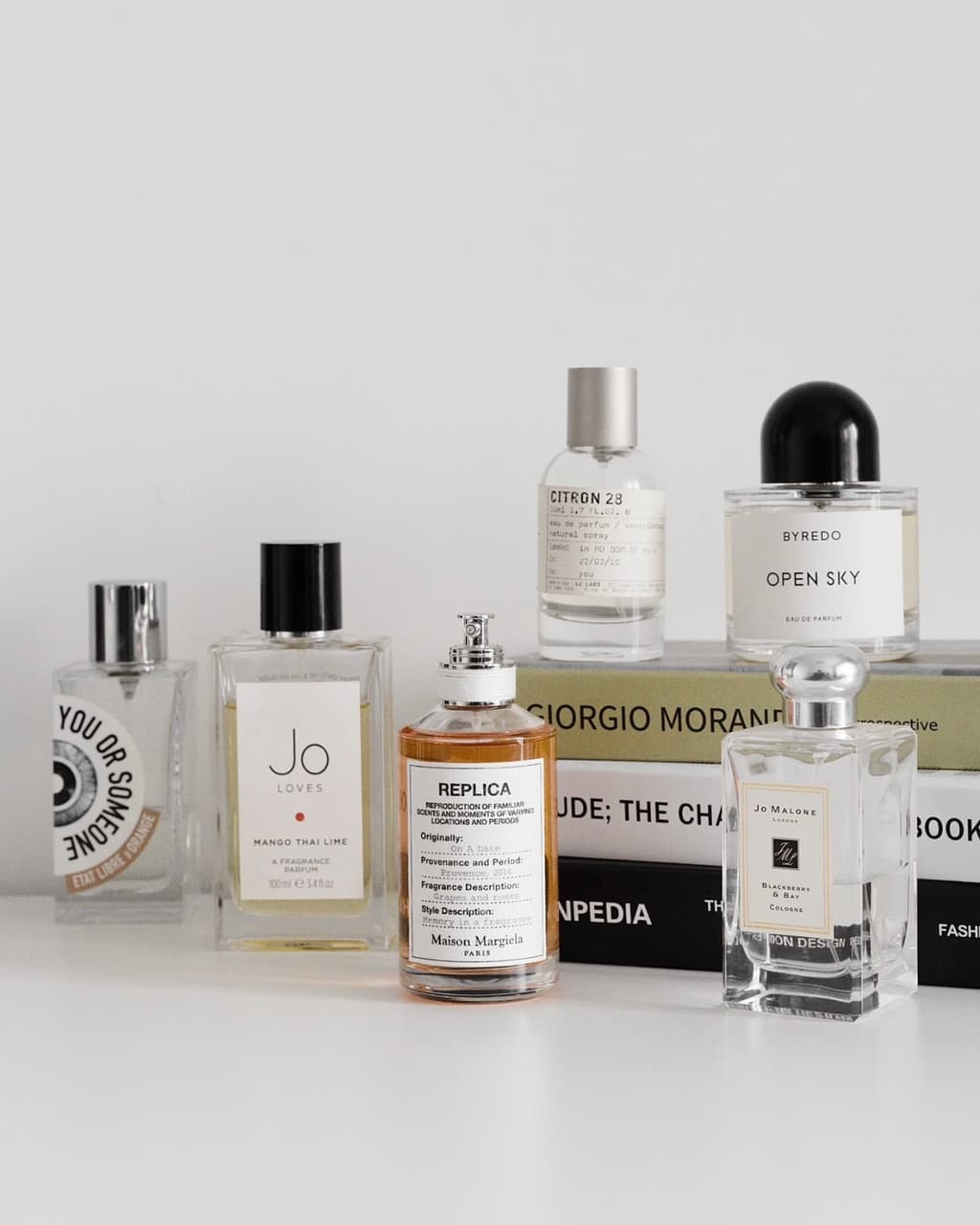
In early 2026, small and mid-size perfume labels are balancing three pressures at once: higher sampling costs, lower launch volumes, and rising expectations from retail, social media, and gifting channels. That is why luxury perfume packaging for small brands increasingly depends on targeted decoration rather than expensive custom molds. Stock bottles plus premium surface treatment, no-label visuals, metallic logos, and localized gloss can often create a much stronger perceived value than a fully custom bottle at a fraction of the risk.
What are the biggest perfume packaging trends 2026 for small brands?
The five biggest trends are no-label look decoration, metallic logo accents, spot gloss contrast, low MOQ premium upgrades, and smarter use of stock packaging. These trends matter because they raise visual value without forcing small brands into very high tooling or inventory commitments.
For independent perfume brands, the market direction is practical rather than theatrical. Buyers still want luxury cues, but they now ask more often about minimums, speed, and flexibility. Industry coverage continues to highlight the real value of small-batch packaging solutions and stock packaging because startups and niche fragrance houses cannot always commit to 10,000 to 50,000 units per SKU. A brand launching 3 scents with 500 to 2,000 bottles each needs decoration methods that look premium but remain operationally realistic.
Below are the five major directions shaping perfume decoration trends as of 2025 moving into early 2026.
1. No-label look on glass
The no-label look is one of the strongest premium signals for modern fragrance packaging. Instead of a traditional front label with visible edges, brands use direct-feel transfers or highly integrated decoration to make the design appear printed onto the bottle. This works especially well for minimalist niche perfumes and clean beauty positioning.
A small brand can achieve a similar visual effect by using UV DTF Sticker decoration on stock glass bottles. On standard 50x30mm artwork, WowSticker pricing data shows about $48.30 per 1,000 pieces, or roughly $0.048 per bottle before freight and application variables. That is often far below the cost of direct screen printing plus setup for very small runs.
2. Metallic logo details with a premium tactile feel
Metallic branding remains strong, especially in gold, champagne, brushed silver, and darker nickel finishes. For perfume caps, shoulder collars, rigid boxes, and bottle fronts, a small metallic badge can dramatically lift perceived value. In 2026, the preference is shifting from loud mirror effects to more controlled luxury finishes.
Nickel Sticker options are commonly used when brands want a raised metal logo without investing in a full metal nameplate assembly. A logo badge of 20mm to 40mm can become the hero detail on an otherwise simple stock package. In many cases, this adds around $0.08 to $0.30 per unit depending on thickness, plating effect, adhesive, and MOQ.
3. Spot gloss and local contrast effects
Localized high gloss over matte surfaces is growing because it photographs well and creates a premium touch point during unboxing. This trend is visible on cartons, labels, and even secondary seals. For fragrance, a subtle gloss pattern or logo over a muted base can make a low-cost box feel more deliberate.
Small brands often combine a matte base label with gloss accents using Vinyl Sticker production for outer packs, discovery set sleeves, or event packaging. Source C shows a 50x30mm vinyl label at $18.29 per 1,000 pieces, equal to about $0.018 per label. This is one of the most budget-efficient ways to test premium graphics.
4. Low MOQ premium packaging is now a core buying requirement
Low MOQ is not a side topic anymore. It is central to the buying decision for startup perfume brands, private labels, and seasonal launches. The old model of forcing every brand into large runs is losing relevance for niche fragrance. Today, many buyers prefer to pay a slightly higher unit price if they can avoid dead stock and react faster to market feedback.
This is especially true for first production waves of 500 to 2,000 units. At that level, a premium decoration add-on of $15 to $150 total can be more strategic than carrying thousands of unsold boxes or bottles.
5. Stock packaging plus decoration is replacing full custom builds
For many new fragrance brands, the smartest model is a high-quality stock bottle, stock cap, and stock rigid box upgraded with selective custom decoration. This reduces mold cost, shortens lead time, and helps brands spend more on formula, sampling, or marketing. As of 2025, the most efficient luxury positioning often comes from combining standard components with one or two strong branded details instead of customizing everything.
How much do these premium upgrades add per bottle?
Most small-brand decoration upgrades add between $0.02 and $0.30 per bottle, depending on format, size, and MOQ. That range is why decoration strategy matters more than many founders expect.
Using the available WowSticker pricing data, the table below shows realistic entry-level references for several common decoration formats. These are planning figures only, but they help clarify what “affordable luxury” really looks like when spread across a 500-piece or 1,000-piece run.
| Product | MOQ | Unit Price (USD) | Lead Time | Notes |
|---|---|---|---|---|
| Vinyl Sticker 50x30mm | 1,000 pcs | $0.018 | Approx. 5-8 working days | Good for cartons, labels, sets, and promo packaging |
| UV DTF Sticker 50x30mm | 1,000 pcs | $0.048 | Approx. 7-10 working days | Supports no-label look style on glass and smooth surfaces |
| Resin Sticker 25x25mm | 500 pcs | $0.058 | Approx. 7-12 working days | Raised dome effect for caps, gift boxes, and branded accents |
| Nickel Sticker logo badge | Usually 500-1,000 pcs | $0.080-$0.300 | Approx. 10-15 working days | Premium metallic identity detail; price depends on size and plating |
For a simple example, a 1,000-bottle perfume run using a stock bottle with UV DTF front branding and a resin cap emblem could add roughly $48 to $106 total before shipping and application handling. A nickel badge version may push that upgrade closer to $80 to $300 total, but it can also increase perceived packaging value significantly for retail sets or gift launches.
Comparing decoration cost per bottle for your launch?
Share your bottle size, target MOQ, and finish preference for a faster estimate.
Why is low MOQ premium perfume packaging more realistic in 2026?
Low MOQ premium perfume packaging is more realistic because decoration methods have become more modular, while brands increasingly rely on stock components instead of full custom molds.
For small fragrance companies, the economics are simple. A custom bottle project may require mold development, longer approval cycles, and larger production commitments. In contrast, decoration-led packaging can start from approved stock bottles and then layer on identity through labels, UV transfers, resin domes, or metal-effect badges.
This matters because many startup perfume launches now begin at 300, 500, or 1,000 units per scent, not 10,000. A founder testing two SKUs in one region may need packaging that looks credible on camera, survives fulfillment, and can be replenished quickly if one scent performs better than expected.
WowSticker is often relevant in these projects because the decision is not just “What looks best?” but “What looks premium at a workable MOQ?” For that reason, Resin Sticker, UV DTF Sticker, and Nickel Sticker formats remain useful for brands that need a premium effect without committing to expensive hard tooling.
| Feature | Full Custom Bottle Route | Stock Bottle + Decoration Route |
|---|---|---|
| Typical starting volume | Often 5,000-10,000+ units | Often 500-2,000 units |
| Upfront investment | High due to mold/tooling and approvals | Lower; spend focused on surface branding |
| Speed to market | Longer, often multiple sampling rounds | Faster with available stock components |
| Risk of excess inventory | Higher | Lower |
| Best for | Established volume brands | Small brands, pilots, seasonal launches |
What decoration options match each 2026 perfume positioning?
The best decoration option depends on whether the brand image is minimalist, classic luxury, playful premium, or gift-focused. Small brands should match the finish to the story, not just to the budget.
Minimalist niche fragrance
For brands with clean typography, neutral tones, and editorial-style visuals, the no-label look is usually the best match. UV DTF decoration works well on smooth glass and can create a close-to-direct-print effect. Pair it with a matte monochrome box and one metallic accent only if needed. Typical decoration add-on: $0.05 to $0.10 per bottle.
Classic luxury or heritage-inspired fragrance
If the brand relies on tradition, craftsmanship, or gifting, metallic logo details and raised elements perform better. Nickel logo badges or resin domes can be placed on caps, front labels, or rigid boxes. A premium giftable look often uses 2 layers of detail: one bottle element and one box element. Typical add-on: $0.10 to $0.30 per bottle.
Younger premium or social-first launch
Brands targeting discovery sets, influencer mailers, or online gifting need packaging that looks strong on camera. Spot gloss, contrast varnish, and bright metallic details work well here. Vinyl labels remain useful for inserts, sample cards, and carton seals because they are cost-efficient at scale. Typical add-on: $0.02 to $0.08 per unit for secondary packaging decoration.
Holiday or limited-edition sets
Seasonal fragrance sets often benefit from temporary decoration rather than a permanent bottle redesign. Resin stickers or metallic badges can create a limited-edition signal without changing core components. For 500-piece campaigns, this can be a very practical route because the visual difference is obvious but the setup burden stays manageable.
How should small brands choose between Vinyl, UV DTF, Resin, and Nickel Sticker options?
Choose Vinyl for lowest-cost graphics, UV DTF for no-label look on bottles, Resin for tactile premium accents, and Nickel Sticker for the strongest metal-luxury effect.
The right choice depends on where the decoration goes, how tactile it should feel, and how much each bottle can absorb in packaging cost. Below is a simple buyer-side comparison.
| Feature | Vinyl Sticker | UV DTF Sticker | Resin Sticker | Nickel Sticker |
|---|---|---|---|---|
| Best use | Boxes, sleeves, labels, promo packs | Glass bottles, smooth rigid surfaces | Caps, boxes, logo emblems | Luxury logos, cap badges, premium boxes |
| Visual effect | Printed graphic | Integrated no-label style | Raised glossy dome | Metallic premium badge |
| Low MOQ suitability | High | High | Good | Moderate to good |
| Typical add-on cost | $0.01-$0.05 | $0.04-$0.10 | $0.05-$0.15 | $0.08-$0.30 |
| Main strength | Lowest budget entry | Modern bottle decoration | Tactile branding | Highest luxury perception |
A common real-world scenario is a startup perfume brand launching 3 scents at 500 bottles each. Instead of ordering a custom bottle, the brand uses a stock 50ml bottle, a UV DTF front graphic, and a small resin emblem on the rigid box. This keeps the visual identity distinct while preserving cash for sampling, ad creative, and replenishment.
What should buyers ask before selecting a packaging supplier?
Buyers should ask about MOQ, decoration compatibility, application method, lead time, and whether the finish works on stock packaging. This reduces delays and prevents paying for the wrong effect.
At minimum, request answers to these five points:
| Spec | What to Confirm |
|---|---|
| Size / dimensions | Exact artwork size in mm, bottle curvature, cap area, and box panel size |
| MOQ | Whether your 500, 1,000, or 2,000-unit plan is workable for each decoration type |
| Material preference | Glass, coated paper, plastic cap, metalized cap, rigid box board |
| Finish | Matte, gloss, metallic, brushed, raised, transparent, or no-label effect |
| Delivery country | Needed for freight timing, packing method, and export planning |
WowSticker projects typically move faster when buyers send a bottle photo, dieline or rough dimensions, target quantity, and finish reference image at the first inquiry stage. That is especially true for perfume packaging trends 2026 decisions where the visual effect depends on how the decoration sits on clear glass, frosted glass, or coated paper.
Ready to test a premium look without high inventory risk?
WhatsApp your bottle photo, size, MOQ, and finish idea for a practical recommendation.
Why do these perfume decoration trends matter for profitability?
They matter because perceived value can rise faster than packaging cost when upgrades are selective and well-matched to the brand. A decoration upgrade of a few cents can support a higher price position, better gifting appeal, and stronger digital presentation.
For example, if a 50ml perfume retails at $48 to $95, adding $0.05 to $0.15 in premium decoration is often commercially reasonable if it improves unboxing, photography, and gifting appeal. The key is not to over-decorate. One strong cue, such as a metallic logo or no-label bottle presentation, usually performs better than stacking too many low-cost effects together.
As of 2025 and moving into early 2026, many fragrance buyers also judge brands by packaging discipline. Clean execution on stock packaging often feels more premium than overcomplicated design with weak material choices. For small brands, budget luxury is not about looking cheap-but-fancy. It is about choosing the one or two details that create confidence at first touch.
Conclusion
The main lesson from perfume packaging trends 2026 is that small brands can now build a premium fragrance presentation through selective decoration, not just expensive custom packaging. No-label look bottle graphics, metallic logo details, local gloss contrast, and low MOQ execution are shaping the market because they align visual luxury with realistic launch economics. For most independent brands, the best next step is to shortlist one stock packaging format, test 2 to 3 decoration routes, and compare the true add-on cost per bottle before finalizing production. WowSticker remains relevant in this shift because practical factory-side decoration options help brands balance image, MOQ, and speed without overcommitting inventory.
FAQ
What is the most important perfume packaging trend 2026 for startups?
The most important trend is the move toward premium-looking decoration on stock packaging. Startups do not always need a custom bottle to look credible. UV DTF bottle graphics, metallic logo accents, and selective gloss effects can create a stronger return on budget than investing in full custom tooling too early.
Which option is better for a startup brand: UV DTF Sticker or Nickel Sticker?
If the goal is a clean bottle-first look with a modern no-label effect, UV DTF is usually the better starting point. If the goal is a stronger luxury cue and tactile brand signature, Nickel Sticker may be worth the extra cost. Many startups begin with UV DTF on the bottle and reserve metallic badges for gift boxes or later editions.
Is low MOQ premium perfume packaging really possible at 500 to 1,000 units?
Yes, especially when using stock bottles and selective decoration rather than fully custom components. Based on the available pricing data, resin stickers are already quoted at 500 pieces, while vinyl and UV DTF examples are shown at 1,000 pieces. The practical limit depends on size, finish, and whether manual application is acceptable.
How much should I budget per bottle for premium decoration?
A useful planning range is about $0.02 to $0.30 per bottle. Simple vinyl labels stay at the low end, UV DTF usually sits in the low-to-mid range, resin adds tactile cost, and nickel logo badges tend to be the highest among the options listed here. Freight, packing, and application method can shift the final result.
What should I send before asking for a quote?
Send the bottle or box dimensions in millimeters, your target quantity, the decoration area, material type, preferred finish, and destination country. A bottle photo or mockup is also helpful. If you are following a reference look from another perfume brand, share that image so the supplier can recommend the closest feasible process.
Is this upgrade worth the extra cost for an online-only perfume brand?
Usually yes, if the upgrade improves product photography, gift appeal, and customer perception at first opening. For online fragrance brands, packaging often does more identity work because shoppers cannot smell the product before buying. A well-chosen decoration upgrade of a few cents can support a stronger premium impression and a cleaner launch presentation.