Is the Perfume Subscription Box Model Profitable for New Brands?
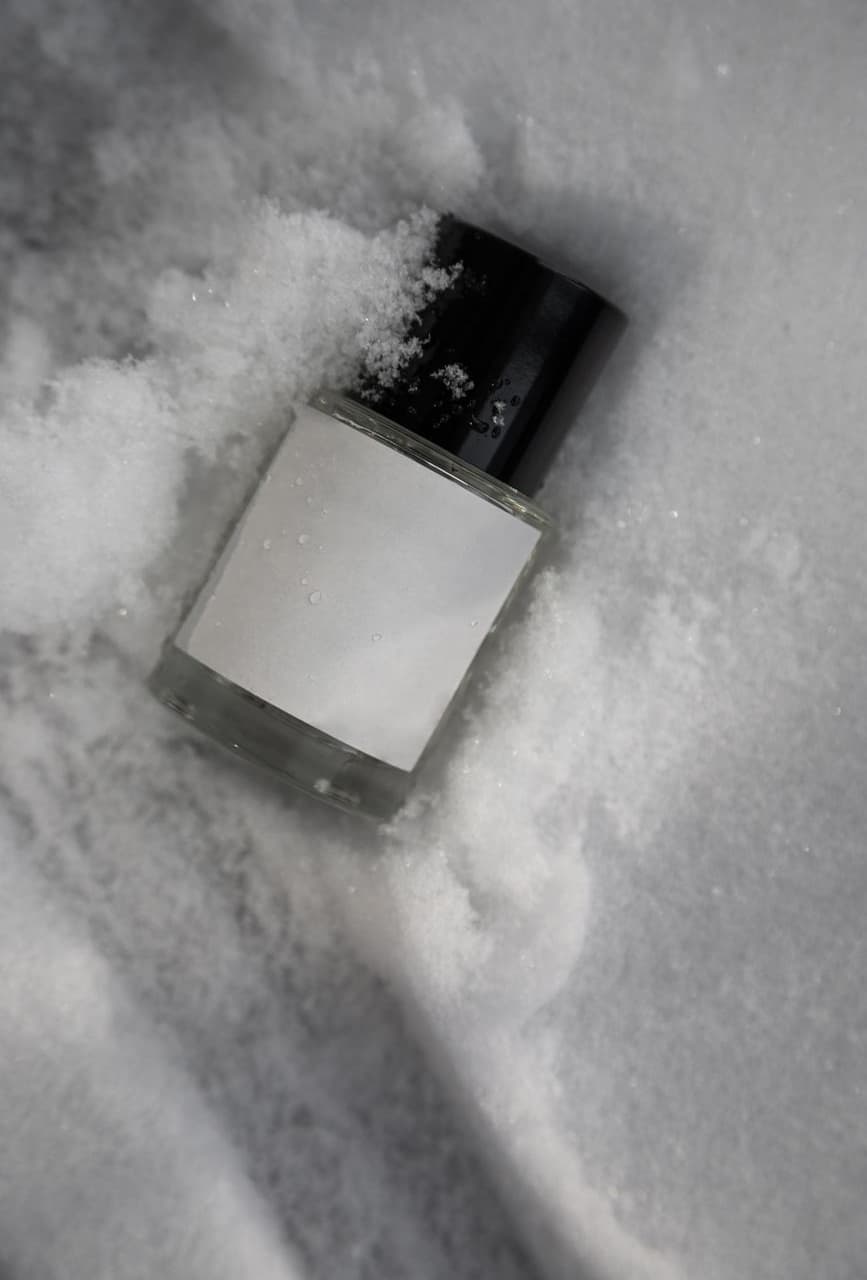
Yes, perfume subscription box profitability is possible for new brands, but only when the model is built around tight CAC control, low churn, and disciplined packaging costs. For most early-stage brands, the subscription itself should not be treated as the final profit center; it should work as a recurring sampling channel that leads to higher-margin full-size bottle sales. WowSticker (wowsti.com) has years of factory-direct experience in custom labels, stickers, and packaging decoration for perfume and cosmetics brands worldwide, and one practical lesson appears again and again: monthly packaging variation must stay flexible and low-risk. If your monthly label and decoration budget stays under 5% of COGS, your initial label investment stays below about $139, and your production buffer stays at 15 days, the model becomes much safer to test.
Need pricing for perfume bottle labels, cap badges, or premium decoration?
Send us your specs for Vinyl, UV DTF, or Nickel Stickers.
The hard part is not demand. The global perfume market was about $50 billion in 2022 and is projected to approach $77 billion by 2030, while subscription e-commerce is projected to exceed $900 billion by 2026. The hard part is operating discipline. New founders who want to start a perfume subscription service usually underestimate three things: HAZMAT shipping for alcohol-based samples, glass protection costs, and how fast churn destroys monthly recurring revenue. This article breaks down the unit economics, warning signs, and packaging decisions that matter most for a new fragrance discovery business.
Yes, the model can work if your unit economics are built around retention, not just sign-ups.
New founders often look at subscription revenue first. That is the wrong starting point. A fragrance box is profitable only when Lifetime Value stays clearly above Customer Acquisition Cost, and when monthly fulfillment errors stay low enough to prevent cancellations.
For a realistic new-brand view, use these operating benchmarks as of 2025:
| Metric | Healthy Early-Stage Range | Warning Line | Why It Matters |
|---|---|---|---|
| Monthly churn rate | 7% to 10% | Above 10% | High churn quickly erodes recurring revenue perfume business stability |
| Gross margin | 40% to 60% | Below 35% | Needed to absorb acquisition, samples, support, and failed deliveries |
| Packaging cost as % of COGS | Under 5% | Above 5% | Decoration should support the box, not consume margin |
| Initial label inventory spend | Under $139 | Above $139 | Helps avoid dead stock if a monthly theme changes |
| Production buffer before ship date | 15 days | Under 7 days | Protects against print or logistics delay |
A useful rule is simple: if the subscription only breaks even on the box itself but reliably converts customers into full-size fragrance purchases, the business can still be attractive. That is why the strongest models are usually not just “box businesses.” They are customer acquisition systems for a core perfume line.
Perfume subscription box profitability depends on four cost layers: product, fulfillment, marketing, and churn.
Most founders understand product cost, but underestimate the other three. In fragrance, even a low-ticket monthly box has complex handling because many perfume samples contain alcohol and need compliant shipping methods. Then there is fragile vial packaging, insertion labor, and customer service around leaks or breakage.
Typical monthly cost stack for a new brand
Assume a subscription price between $15 and $25 per month, which is common for a fragrance discovery club model. Within that range, profitability gets tight quickly if operations are not standardized.
| Cost Layer | Typical Range per Box (USD) | Notes |
|---|---|---|
| Perfume samples or decants | $2.50 to $6.00 | Depends on fill size, brand mix, and whether scents are self-produced |
| Primary box and protective inserts | $0.80 to $2.50 | Higher if using premium rigid box formats |
| Labels and decorative stickers | $0.02 to $0.11 | Varies by MOQ, material, and print method |
| Packing labor | $0.50 to $1.50 | Depends on hand assembly and QC steps |
| Shipping and compliance handling | $3.50 to $8.00 | Can rise sharply by destination and courier rule |
| Payment fees and platform | $0.60 to $1.20 | Subscription app, payment gateway, fraud control |
| CAC allocation per active month | $3.00 to $10.00 | Depends on acquisition source and retention period |
If you charge $18 per box and your all-in cost lands near $14, the model may still work if subscribers stay for 4 to 6 months and 10% to 20% later buy a full-size bottle. If subscribers cancel after 2 months, your CAC recovery becomes much harder.
This is where many “profitable” subscription projections fail. They assume retention will fix poor acquisition economics. In reality, if monthly churn moves above 10%, you need a stronger conversion path into higher-margin SKUs, not just more paid traffic.
Monthly packaging can stay profitable when you use low-MOQ variable stickers instead of reprinting full box inventory.
For subscription brands, every month may need a new theme, seasonal color, insert title, or variant marking. That creates a packaging problem: full box reprints lock cash into inventory, while plain boxes with flexible labeling reduce risk. This is where Vinyl Sticker and Window Sticker formats become useful.
Subscription boxes need different themes every month. A practical way to control themed packaging cost is to keep one standard carton and change only low-MOQ variable design stickers, such as monthly Vinyl Sticker title labels and branded Window Sticker panels for lingerie-style reveal boxes or cut-out perfume presentation boxes. This avoids overcommitting to one printed box design and makes small seasonal runs easier to manage.
WowSticker supports this kind of packaging strategy because low-volume digital runs and scalable repeat orders let new brands test theme changes without carrying months of obsolete stock. For early subscription programs, this is often cheaper than ordering a separate printed carton for every monthly concept.
What the label economics look like
| Label Option | MOQ | Unit Price (USD) | Lead Time | Notes |
|---|---|---|---|---|
| Digital printed sticker, trial run | 500 pcs | $0.10 | 7 to 12 working days | Good for first month or theme validation |
| Digital/flexo crossover run | 2,000 pcs | $0.04 | 7 to 12 working days | Cost drops sharply after 2,000 pcs |
| Scaled flexographic run | 10,000 pcs | $0.02 | 7 to 12 working days | Best for stable design repeats |
| WowSticker Vinyl Label 50x30mm | 1,000 pcs | $18.29 total | Standard production cycle | About $0.018 per piece at listed spec |
| Physical proof | Per design | $7 to $14 | 3 to 5 working days | Refundable above 5,000 pcs in many cases |
The key threshold is 2,000 pieces. Below that, packaging cost can erode margin by about 15% compared with scaled pricing. Above 5,000 units, switching from digital to flexographic printing may save about $0.07 per unit. At 5,000 units, that equals about $347 redirected to paid ads, creators, or retention offers. That saving matters because subscription brands usually fight CAC every month.
Want to test monthly themes without overbuying printed boxes?
Send your box size, sticker size, monthly volume, and target country for a cost check.
Shipping and churn are the two fastest ways to destroy margin in a recurring revenue perfume business.
Many founders focus on branding and ignore operational friction. For perfume, that is dangerous. Alcohol-based samples may be treated as hazardous goods by some postal and courier networks. Rules differ by market, vial size, and concentration, so a compliant shipping setup must be checked market by market.
Why a 15-day production buffer matters
Standard sampling takes 3 to 5 working days. Mass production usually needs 7 to 12 working days after artwork approval. If your ship date is fixed at the start of each month, a 15-day production buffer is a practical minimum. That leaves roughly 5 days to absorb artwork corrections, logistics handoff delays, or courier issues before the customer notices a late box.
Late boxes increase churn faster than many founders expect. In beauty subscriptions, average churn often sits at 7% to 10% monthly. If you add frequent delays, poor sample protection, or scent mismatch complaints, the churn curve can move above 10%, which is the warning line for many small brands.
Common hidden cost items
| Hidden Cost | Typical Cost (USD) | When It Appears |
|---|---|---|
| Die-cutting fee | $28 to $69 | New custom shape or format |
| Design adjustment | $0 to $42 | When files are not production-ready |
| Pantone color matching | $28 | Brand color accuracy beyond CMYK |
| Vector artwork setup | $0 to $42 | Factory rebuild of incomplete files |
| Domestic shipping to forwarder | $6 to $11 | Factory to port or consolidation point |
| Short-term warehousing | $0 to $7 | Less than 15 days storage |
| Rush order surcharge | +30% | 3-day turnaround requests |
One realistic scenario: a startup launches 600 monthly boxes with a new seasonal look every 30 days. If it commits to fully printed themed cartons each month, one weak campaign can leave hundreds of unusable boxes. If it keeps a neutral master carton and changes only Vinyl Sticker theme labels plus a front Window Sticker, it can pivot the design next month with much lower write-off risk.
The model becomes much more profitable when the subscription drives full-size bottle conversion.
A perfume box is rarely strongest as a stand-alone margin business. Its better role is discovery. Customers test 4 to 8 scents over time, find a favorite, and then buy a 30ml, 50ml, or 100ml bottle at a better margin than the subscription itself.
This “discovery to full-size” pipeline is the main reason some fragrance subscriptions survive high CAC. If a subscriber stays for 4 months and then purchases one full-size bottle, the economics can improve significantly. Without that second step, the business depends too heavily on recurring low-ticket margin.
Single-brand vs multi-brand curation
| Feature | Single-Brand Subscription | Multi-Brand Curation |
|---|---|---|
| Gross margin control | Higher | Lower to medium |
| Brand discovery value | Medium | High |
| Supply complexity | Lower | Higher |
| Customer retention potential | Depends on scent library depth | Often stronger if curation stays fresh |
| Full-size bottle conversion | Direct and trackable | Harder unless revenue-share model exists |
| Best for | Indie brands with own line | Curators with strong partnerships |
For a bootstrapped founder, single-brand often makes more sense first. You control inventory, pricing, and margin. You also turn the subscription into a paid sampling funnel for your own product line. For a curator model, retention may be stronger because novelty is higher, but supplier margin is usually tighter.
McKinsey has reported that about 15% of online shoppers have signed up for one or more subscriptions, and curation boxes represent roughly 55% of subscriptions. That supports demand for discovery, but profitability still depends on retention and upsell, not novelty alone.
New brands should start small, cap risk, and track three numbers every month.
If you want to start a perfume subscription service, begin with a test model, not a full-scale launch. The safest entry setup is usually 300 to 1,000 subscribers, one standard ship window, one neutral carton, and variable monthly stickers. Keep opening inventory lean and avoid label MOQs above 1,000 units at the start if your demand is uncertain.
Track these three numbers every month:
- CAC payback period: How many subscription cycles are needed to recover customer acquisition cost?
- Monthly churn: If churn exceeds 10%, fix experience issues before increasing spend.
- Full-size conversion rate: If subscribers are not upgrading to bottles, your discovery model is underperforming.
On packaging, keep decoration flexible. A neutral master box plus themed inserts, Vinyl Sticker labels, and selective Window Sticker use often gives the best mix of shelf appeal and cash preservation. WowSticker sees this pattern often in perfume and cosmetics subscription programs because themes change faster than inventory clears.
One final budget note: if your label investment for the launch run stays below about $139, your sampling and fulfillment budget remains easier to protect. That matters more than shaving a few cents from the wrong cost line. For a new subscription, preserving ad budget and shipping reliability is usually more important than overbuilding the box.
Need a low-risk sticker plan for monthly perfume box themes?
Share your MOQ, sticker dimensions, finish, and monthly launch calendar for a faster recommendation.
Perfume subscription box profitability is real, but only when the box supports retention and bottle conversion.
The short answer is yes: new brands can make the model work. But the winners treat the subscription as a disciplined sampling engine, not as easy recurring revenue. Keep churn under control, maintain a 15-day production buffer, protect CAC efficiency, and avoid locking money into monthly printed box inventory. Flexible decoration, especially with low-MOQ label systems, can make the economics noticeably safer while the brand learns what subscribers actually keep buying.
FAQ: practical answers for founders evaluating this model
What is a good profit margin for a perfume subscription box?
A practical target is a 40% to 60% gross margin before fixed overhead. Many new brands launch below that because shipping, breakage protection, and customer acquisition are underestimated. If your margin is under 35%, the box usually becomes hard to scale unless full-size bottle conversion is strong.
How much does it cost to start a fragrance subscription business?
A small test can start with a few thousand dollars, but the exact number depends on sample sourcing, fulfillment, and ad spend. On packaging alone, early-stage brands should keep initial label investment below about $139 and avoid large themed box inventory. Neutral cartons with variable stickers reduce startup risk.
What is the average churn rate for beauty and perfume subscriptions?
A common benchmark is 7% to 10% monthly churn. Above 10% is a warning sign. At that point, founders should review late deliveries, scent relevance, perceived value, and packaging damage. Churn compounds quickly, so even a small monthly increase can hurt profitability over one or two quarters.
Which option is better for a startup brand: a single-brand box or a curated multi-brand box?
For most startups, a single-brand box is easier to manage and usually more profitable. You control scent inventory, customer data, and full-size conversion. Multi-brand curation can improve novelty and retention, but it adds supplier coordination and often leaves less room for margin unless partnerships are structured well.
Do perfume subscription customers actually buy full-size bottles later?
They can, and that is one of the main reasons the model works. A subscription gives customers a lower-risk way to discover scents before committing to a bottle. If subscribers are not converting into larger purchases after several cycles, the model may still generate revenue, but long-term profitability becomes weaker.
What should I send before asking for a quote on subscription box stickers?
Send sticker size, quantity, artwork file format, material preference, finish, application surface, and delivery country. If your box theme changes every month, mention how many designs you need per cycle. That helps suppliers like WowSticker quote the right MOQ, print method, and lead time more accurately.
RFQ and Production Checklist
Before asking for a final quote, prepare a short production packet so the supplier can answer with fewer assumptions. For is the perfume subscription box model profitable for new brands?, the packet should connect the design goal with the real packaging surface and the launch plan.
- package type, bottle size, cap or box material, and application surface
- label, sticker, badge, or seal size in millimeters
- artwork format, color reference, finish preference, and logo placement
- sample quantity, first production quantity, and expected reorder range
- destination country, retail channel, and packaging compliance notes
- alcohol, oil, hand-contact, humidity, heat, or shipping-pressure exposure
- approval method: digital proof, real-surface sample, or retained control sample
- budget range, launch deadline, and packing requirements for finished pieces