Is the Niche Perfume Market Still Growing in 2026?
Yes. The short answer is that niche perfume market growth still looks strong in 2026, with projected global CAGR around 11% to 13.5% from 2024 to 2030, well above the broader fragrance market’s roughly 4% to 5%. For founders, buyers, and packaging teams, that means the opportunity has not disappeared, but the winners are becoming more defined: higher price resilience, stronger storytelling, and better premium presentation. WowSticker (wowsti.com) has years of factory-direct experience in custom labels, stickers, and packaging decoration for perfume and cosmetics brands worldwide, so this article looks at the market from both the demand side and the shelf-execution side. If you are planning a 2026 launch or retail expansion, reviewing label, decoration, and branding costs early usually prevents margin pressure later.
Need pricing for perfume bottle labels, cap badges, or premium decoration?
Send us your specs for Vinyl, UV DTF, or Resin Stickers.
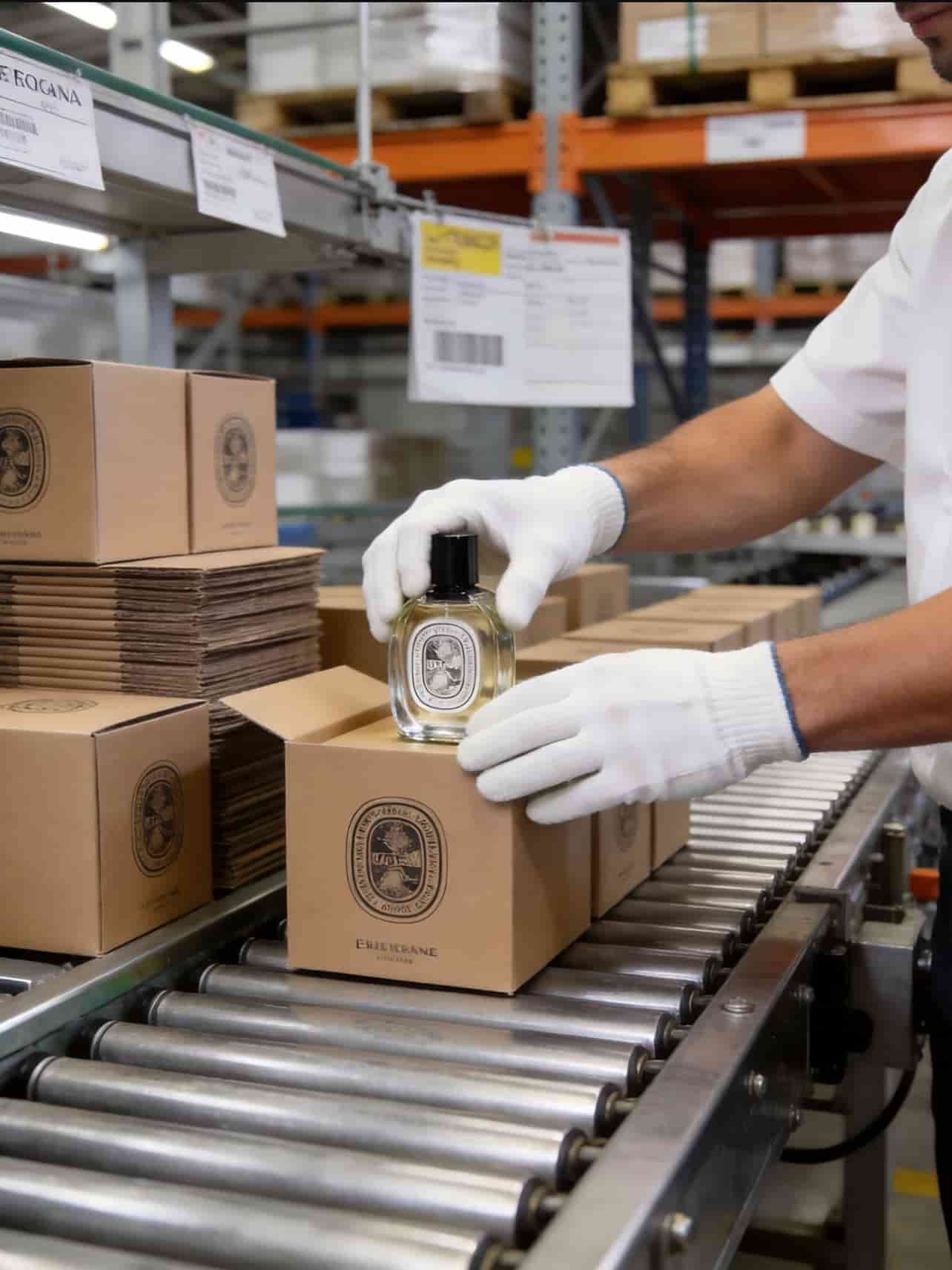
Yes, niche perfume market growth is still outpacing the broader fragrance sector.
The key point for 2026 is not whether niche fragrance is still growing. It is which parts of the category are growing fastest, and which brands can hold premium pricing without losing repeat purchases. Based on the market data provided, niche fragrance is projected to grow at 11% to 13.5% CAGR through 2030, compared with only 4% to 5% for the wider commercial fragrance market. That gap is large enough to matter for investors, retailers, and independent founders.
The demand logic is clear. Consumers still want products that feel personal, not mass-market. They also accept higher ticket prices when the scent profile, concentration, longevity, and packaging feel worth it. In practical terms, niche buyers are still willing to spend around $200 to $400+ for a bottle if the brand delivers uniqueness and status. That makes the category attractive, but also more competitive. In 2026, growth is real, yet casual positioning is less likely to work than it did during the earlier post-pandemic boom.
This matters for brands asking is perfume business profitable 2026. The answer can still be yes, but profitability depends on gross margin discipline, repeat rate, and packaging choices that support perceived value without overspending on unnecessary components.
The market is growing because consumers now buy identity, rarity, and premium experience, not just scent.
Three forces are supporting niche perfume market growth in 2026.
1. Consumers are moving away from mass-market sameness
Shoppers in North America and Europe are more educated about fragrance than they were five years ago. Social platforms, fragrance forums, and boutique sampling culture have reduced dependence on celebrity launches and department-store staples. Many buyers now want a scent that feels exclusive, layered, or less common in daily life. That shift directly favors artisanal perfumery, extrait formats, and smaller-batch storytelling.
2. Premium price points remain resilient
Even under tighter consumer spending, the luxury fragrance category keeps benefiting from the so-called “accessible luxury” effect. A bottle priced at $220 to $380 can still feel attainable compared with handbags, watches, or jewelry. This price resilience is one reason niche fragrance keeps outperforming the mass market.
3. Brand experience now includes packaging as a value signal
Consumers do not judge only the juice. They judge the cap, label finish, bottle decoration, and unboxing consistency. This is where premium decoration becomes part of margin strategy. In the high-end trend, details such as a no-label look for a cleaner bottle face, metal badges for heritage cues, and resin stickers for tactile depth can all improve premium perception. For many perfume and cosmetics projects, WowSticker helps brands test visual upgrades like UV DTF Sticker, Vinyl Sticker, and Resin Sticker to support shelf impact without rebuilding the full bottle tooling.
In B2B terms, stronger decoration can support a better first impression at wholesale meetings, pop-ups, and direct-to-consumer photography. That does not replace fragrance quality, but it often helps justify the final selling price.
The three highest-growth lanes in 2026 are gender-fluid scents, Middle East-inspired luxury, and personalization-led niche brands.
Not every niche subcategory is expanding at the same speed. Based on the research provided, these are the three most important high-growth segments to track in early 2026.
| High-Growth Segment | Why It Is Growing | Typical Consumer | Commercial Signal |
|---|---|---|---|
| Gender-fluid perfumes | Less interest in traditional men/women segmentation | Gen Z and younger millennials, age 22-35 | Higher engagement on social channels and sampling sets |
| Middle East-inspired premium scents | Rising use of oud, saffron, amber, rose and stronger performance profiles | Luxury buyers in UAE, Saudi Arabia, UK, US | Fastest regional growth momentum in MEA |
| Personalized and AI-assisted fragrance concepts | Consumers want uniqueness and mood-based scent experiences | Digital-native premium shoppers | Supports higher prices and stronger repeat buying potential |
The long-tail trend behind these lanes is simple: buyers want fragrances that feel more personal and less generic. That is why indie fragrance market trends increasingly overlap with premium direct-to-consumer behavior. What begins as a small founder brand can move quickly into the “niche luxury” tier if the scent identity, sampling strategy, and packaging system are disciplined.
Gender-fluid scents
Gender-neutral and gender-fluid positioning is no longer a niche within a niche. It is becoming a core expectation for younger buyers. Brands that avoid rigid masculine or feminine codes often reach wider audiences with fewer SKUs. That can reduce inventory complexity while improving conversion.
Middle East luxury influence
The Middle East and Africa region is highlighted as the fastest-growing area in the provided data. Demand is rising in markets like the UAE and Saudi Arabia, while Western niche brands increasingly borrow from regional olfactory preferences. Richer scent structures and stronger longevity claims are working across both regional and export markets.
Personalization and neuro-scent concepts
By 2026, buyers are expected to show stronger interest in AI-driven scent suggestions and “neuro-scents” tied to mood, calm, focus, or identity. Even if not every brand has true technical personalization, the market is moving toward bespoke fragrance trends and highly specific scent storytelling.
North America is still the largest market, but MEA is the fastest mover and Europe remains a credibility center.
Regional differences matter because they affect product positioning, packaging decisions, and channel strategy.
| Region | 2026 Role | Main Demand Driver | What Brands Should Emphasize |
|---|---|---|---|
| North America | Largest share | Clean beauty, unique identity, premium DTC culture | Transparency, vegan claims, strong online branding |
| Europe | Stable growth, heritage authority | Artisanal credibility, boutique retail, scent heritage | Craftsmanship, storytelling, refined materials |
| Middle East & Africa | Fastest growth | Luxury consumption, oud-based and intense profiles | Richer scent identity, premium finish, gifting appeal |
North America remains important because it combines high spending with educated consumers who actively compare ingredients, longevity, and ethics. Europe continues to shape prestige signals through heritage and boutique discovery. But the Middle East growth story is the one many brands should watch most closely. Fast-growing premium demand there can support higher average order values and stronger gifting-led purchases, especially during key retail periods.
For packaging teams, this also changes decoration priorities. A minimalist brand targeting Los Angeles or Toronto may prefer a clean transparent bottle with a UV DTF Sticker that creates a refined no-label effect. A heritage-style line selling into Dubai may lean more toward metallic accents or embossed-feel elements. Regional fit matters because “premium” does not look identical in every market.
Yes, the business can be profitable in 2026, but only if pricing, packaging, and repeat purchase economics are controlled.
Many founders asking is perfume business profitable 2026 focus only on formula cost and bottle sourcing. That is incomplete. Profitability depends on the full landed product cost, including decoration, fulfillment damage rate, sampling strategy, and customer acquisition cost.
A small perfume brand opportunity still exists in 2026, but it is stronger when the founder understands where to spend and where to stay lean. For example, a startup often does not need full custom glass tooling at launch. It may gain more by using a standard bottle and upgrading premium perception through label decoration, cap medallions, or tactile embellishments.
| Decoration Option | MOQ | Unit Price (USD) | Lead Time | Notes |
|---|---|---|---|---|
| Vinyl Label 50x30mm | 1000 pcs | $18.29 total reference for 1000 pcs | Usually shorter for repeat jobs | Cost-efficient for entry runs and secondary labeling |
| UV DTF Sticker 50x30mm | 1000 pcs | $48.30 total reference for 1000 pcs | Moderate | Good for detailed graphics and bottle decoration |
These reference figures show an important point. Decoration upgrades do not always need to be expensive to affect shelf value. A founder deciding between a plain stock bottle and a more premium visual system should evaluate the cost per finished bottle, not just the decoration line item by itself. If a better presentation helps lift retail pricing by even $10 to $20 per unit, the ROI can be substantial.
WowSticker is often used at this stage because founders need to compare practical options fast: standard Vinyl Sticker for affordable launch runs, UV DTF Sticker for direct premium bottle graphics, or Resin Sticker for raised, tactile branding details.
Comparing label cost versus perceived retail value?
Send bottle size, artwork, quantity, and destination for faster pricing.
Premiumization is still the winning strategy, but it now requires sharper execution than before.
Premiumization is not just about charging more. It is about proving why the price is justified in under 5 seconds on a shelf, in a boutique, or on a mobile screen. In the niche fragrance space, buyers respond to clues of authenticity and care: cleaner bottle faces, precise metallic detailing, and tactile embellishments that suggest permanence and craftsmanship.
This is why the high-end trend increasingly favors three decoration directions:
- No-label look: often achieved with clean direct-application effects such as UV transfer decoration, helping the bottle feel more integrated and less like a commodity package.
- Metal badges: often used to signal heritage, collectability, or stronger luxury cues on caps and front panels.
- Resin stickers: used when a brand wants depth, gloss, and a more tactile premium touch without changing the base bottle mold.
For a premium perfume and cosmetics audience, those details can help create better price acceptance. That is one reason WowSticker continues to work naturally within this category: the brand supports decoration formats that improve perceived value without forcing a complete packaging redesign. For emerging brands, that can be the difference between a product that looks “indie but polished” and one that looks underfunded.
A simple real-world scenario
Consider a new 50 ml extrait brand launching 3 SKUs. It uses standard glass to avoid high tooling costs, then applies a cleaner front-bottle decoration and a tactile emblem on the cap carton. If the finished look supports a retail price of $165 instead of $145, the gross margin effect can be meaningful across even a 1000 to 3000 bottle first run. In many niche launches, packaging detail is not decoration for its own sake. It is part of pricing power.
The best opportunity in 2026 is for focused small brands, not broad “me too” brands.
The strongest small perfume brand opportunity in 2026 is not to copy established niche houses. It is to build a narrower point of view that is clear enough to attract a loyal audience. That could mean one of three things:
- Owning a specific olfactory world, such as incense woods, mineral marine, or modern oud.
- Owning a specific customer identity, such as gender-fluid urban buyers aged 24 to 34.
- Owning a specific usage benefit, such as long-lasting extrait, layering sets, or mood-focused “focus/calm/night” collections.
This is where many indie fragrance market trends become commercially relevant. A small brand does not need mass awareness. It needs enough distinctiveness to justify premium pricing and enough consistency to generate repeat orders. That repeat behavior is what makes small niche brands attractive acquisition targets later.
The “indie to niche” pipeline is also important. Larger beauty groups continue to watch fast-growing founders for acquisition potential. That means small brands with sharp positioning, disciplined packaging, and healthy unit economics can become strategically valuable even before they reach mainstream scale.
Planning a 2026 perfume launch or relaunch?
Ask for decoration options that fit your target price point and MOQ.
Yes, niche perfume market growth is real in 2026, but the easiest growth phase is over.
The market is still expanding, and it is still outperforming mainstream fragrance. The numbers point to a category with strong momentum: projected CAGR of 11% to 13.5%, premium price resilience around $200 to $400+, and especially strong opportunity in gender-fluid concepts, Middle East luxury influence, and personalization-led positioning. But growth now favors brands that execute better, not just brands that enter early.
For founders and buyers, the practical next step is to align product concept, target region, and packaging system before scaling production. In fragrance, premium perception is built from the first visual cue as much as from the final dry-down. A strong scent deserves a bottle presentation that supports the same price story.
FAQ: the buyer questions that matter most in 2026.
What is driving the growth of the niche perfume market in 2026?
The main drivers are consumer demand for uniqueness, stronger acceptance of premium pricing, and increased interest in artisanal and gender-fluid scent profiles. Market projections in the provided research show niche fragrance growing at about 11% to 13.5% CAGR from 2024 to 2030, much faster than the broader fragrance sector at around 4% to 5%.
How does the niche perfume market differ from designer fragrances?
Niche fragrance usually focuses on smaller-batch positioning, more original scent structures, stronger storytelling, and a more selective retail or direct-to-consumer model. Designer fragrances often target wider audiences and larger volume distribution. In practice, niche buyers expect higher concentration, more distinct notes, and packaging that feels less mass-produced.
Which global regions are seeing the highest demand for niche fragrances?
North America still represents the largest market share, driven by educated consumers looking for clean and distinctive scent profiles. Europe remains important for heritage and boutique credibility. The Middle East and Africa region is the fastest-growing area, especially in premium fragrance segments influenced by oud, saffron, amber, and luxury gifting culture.
Is investing in a niche fragrance brand profitable right now?
It can be, but only when the brand has disciplined unit economics. A strong formula is not enough. Investors and founders should review gross margin, repeat purchase rates, customer acquisition cost, sampling conversion, and packaging efficiency. Premium positioning helps, but profitability comes from maintaining perceived value while controlling total landed cost.
Which option is better for a startup brand: lower packaging cost or more premium decoration?
For most startups, the best approach is a balanced one. Use standard bottle formats to avoid heavy tooling costs, then add focused upgrades that improve perceived value. For example, a clean UV transfer effect or a small resin detail may support a higher retail price without the cost of fully custom packaging. The right choice depends on target price point, channel, and MOQ.
How are Gen Z consumers changing the luxury perfume industry?
Gen Z is pushing the market toward transparency, gender-neutral branding, stronger online storytelling, and social-first discovery. Many younger buyers want scents that feel individual rather than traditional. They also care more about ingredient ethics, cruelty-free positioning, and whether the brand presents itself with authenticity rather than old luxury codes alone.
What role does sustainability play in the future of niche perfumery?
Sustainability is becoming a purchase factor, especially in North America and Europe. Buyers increasingly ask about ingredient sourcing, refillability, packaging waste, and production ethics. It may not replace scent quality as the main purchase reason, but it does affect brand trust and retail acceptance. For many premium brands, cleaner packaging choices now support both brand image and buyer confidence.