How to Research Perfume Competitors Before You Launch
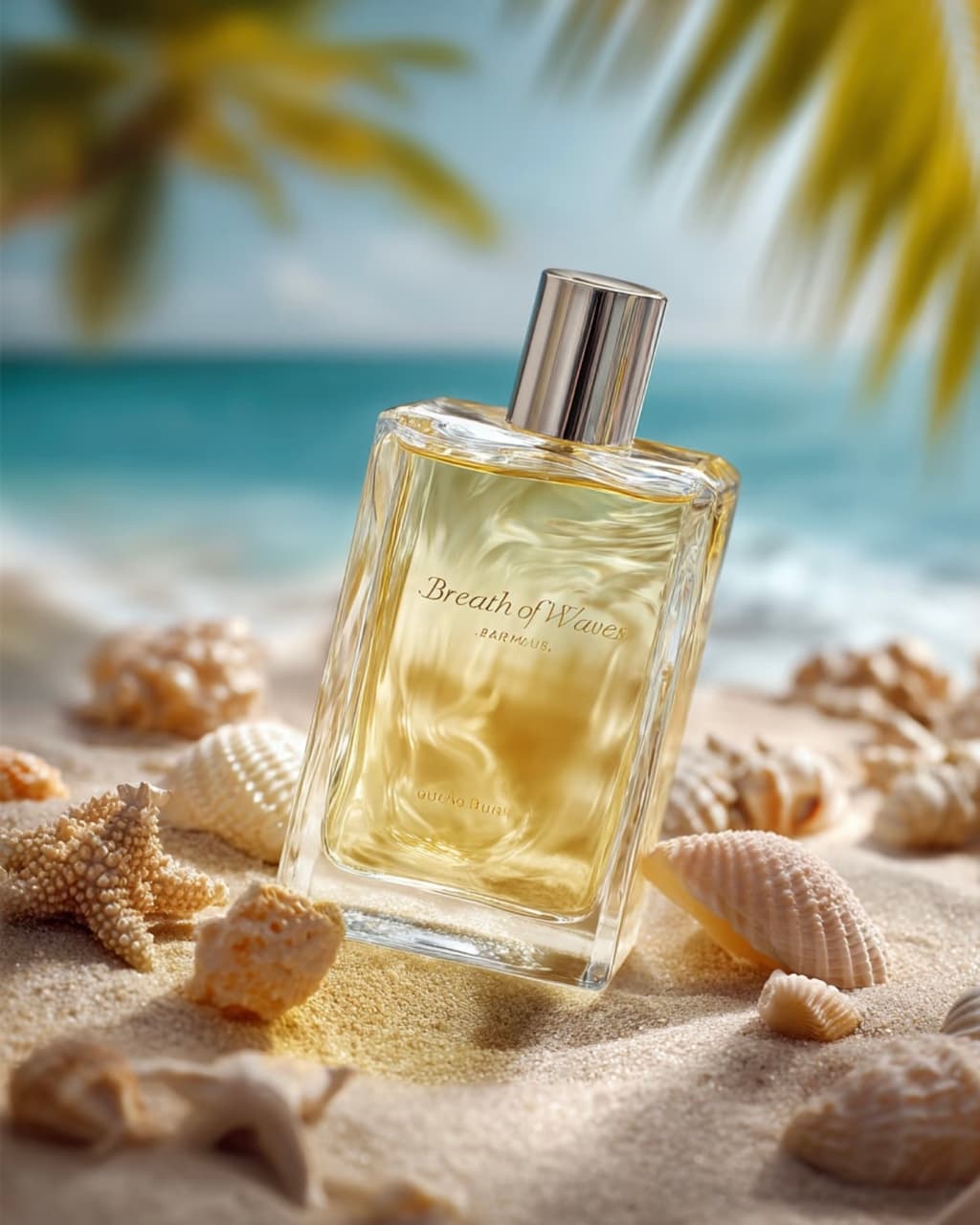
Perfume competitor research should start with a simple conclusion: study 10 competing brands, group them into 3 price bands, and compare 5 packaging elements before you finalize your own launch plan. That process quickly shows where your scent profile, pricing, retail channel, and visual identity may overlap too closely with existing brands. WowSticker (wowsti.com) has years of factory-direct experience in custom labels, stickers, and packaging decoration for perfume and cosmetics brands worldwide, so packaging signals and production cost trade-offs are visible early, not after sampling. If you are preparing a launch, the fastest next move is to build one comparison sheet covering bottle size, price per ml, scent family, sales channel, and label finish.
Need pricing for perfume bottle labels, cap badges, or premium decoration?
Send us your specs for Vinyl, UV DTF, or Nickel Stickers.
The global perfume market is worth roughly $50-60 billion as of 2025, with around 5.9% projected annual growth through 2030 according to industry estimates cited in market research summaries. Growth is not uniform: North America favors clean and gender-neutral positioning, the Middle East is expanding in premium long-lasting profiles, and Europe remains strong in artisanal niche heritage brands. That means perfume market research is not only about scent. It is also about where a brand sells, how it tells its story, and how premium it looks on shelf and in unboxing.
Start by separating direct and indirect competitors. How should you choose the 10 brands to analyze?
Use a 10-brand sample because it is large enough to show patterns but still manageable for a launch team of 1 to 3 people. Split the list into 4 direct competitors, 3 adjacent competitors, and 3 aspirational competitors. Direct competitors share a similar price band and customer profile. Adjacent competitors may sell candles, body mists, or gender-neutral fragrance at a nearby price. Aspirational competitors sit above your target but shape buyer expectations for aesthetics and storytelling.
For example, if you plan a $65 indie eau de parfum, your direct set may include brands in the $45-85 range. Your adjacent set may include premium body care or discovery-set-first brands. Your aspirational set may include niche houses priced at $120-220. This approach makes how to analyze perfume brands more practical because you are not comparing a startup only against luxury groups with totally different budgets.
| Competitor Group | Count | Typical Price Range | What to Compare |
|---|---|---|---|
| Direct | 4 | $40-$90 | Price per ml, scent family, DTC offer |
| Adjacent | 3 | $25-$70 | Bundling, discovery kits, retention tactics |
| Aspirational | 3 | $120-$220 | Packaging cues, copywriting, retail presence |
Audit 3 price bands, not just retail prices. What pricing data matters most?
Track the retail price, bottle size, and price per ml. Then note whether the brand offers 10 ml travel size, 50 ml standard, 100 ml full size, or a discovery set. Three price bands usually reveal the market structure clearly: accessible, mid-range, and premium. A brand selling 50 ml for $48 competes differently from one selling 100 ml for $145, even if both use similar floral-woody language.
Use the table below as a launch benchmark. It helps founders see where margin pressure, sampling strategy, and packaging expectations start to change.
| Price Band | Typical Full-Size Price | Common Formats | Buyer Expectation |
|---|---|---|---|
| Accessible | $25-$60 | 30 ml, 50 ml, discovery set | Fast trial, clear scent message, simple packaging |
| Mid-Range | $61-$120 | 50 ml, 100 ml, gift set | Better materials, stronger story, refined bottle details |
| Premium | $121-$250+ | 50 ml, 75 ml, 100 ml | Distinctive bottle, prestige cues, luxury unboxing |
Packaging cost rises much faster than many founders expect. Factory data shows a premium holographic label can cost about 7.5x more than a standard paper label, from about $0.011 to $0.083 per unit at base tier. MOQ also matters: moving from 1,000 units to 5,000 units can reduce unit pricing by roughly 18%. If you are doing perfume competitor research, compare retail pricing with visible decoration choices so you can judge whether a competitor is protecting margin or buying shelf impact.
| Decoration Option | MOQ | Unit Price (USD) | Lead Time | Notes |
|---|---|---|---|---|
| Economy paper label | 1,000 | $0.011 | 7-15 days | CMYK, gloss lamination |
| Mid-range PET + foil | 1,000 | $0.035 | 7-15 days | Matte finish, waterproof |
| Premium custom effect label | 1,000 | $0.083 | 7-15 days | Die-cut, emboss, holographic, soft-touch |
| Vinyl Sticker 50x30mm | 1,000 | $18.29 total | Estimated by spec | Good for durable bottle labeling |
| UV DTF Sticker 50x30mm | 1,000 | $48.30 total | Estimated by spec | Strong decorative effect on hard surfaces |
Comparing label costs against your target retail price?
Share bottle size, decoration idea, and MOQ for a faster cost check.
Review 5 packaging elements because they shape premium perception. Which details should you benchmark?
In competitor packaging teardown work, five elements usually change premium perception the most: label material, print finish, bottle silhouette, cap decoration, and outer carton texture. This is where WowSticker can be used as a practical benchmark because different labels and stickers clearly affect how expensive a perfume feels before the first spray.
A waterproof PET label can raise raw material cost by about 140% versus standard paper, but it can also reduce damage claims by an estimated 30% in humid use or transit. A Vinyl Sticker often suits brands that want durability and clean print. A UV DTF Sticker works better when raised decoration, vivid metallic-like transfer, or cap and bottle surface graphics are part of the visual story. In premium perception terms, matte texture, foil accents, and precise edge quality often matter more than adding too many visual effects at once.
| Packaging Element | Entry Signal | Premium Signal |
|---|---|---|
| Label material | Paper | PET, vinyl, textured stock |
| Finish | Gloss only | Matte, foil, emboss, soft-touch |
| Bottle shape | Standard round or square | Custom silhouette or heavy base |
| Cap decoration | Plain plastic | Metal badge, transfer graphic, weighted cap |
| Outer carton | Thin SBS board | Textured board, insert, magnetic or rigid details |
Map scent, story, and channel together. Why is this better than a simple spreadsheet?
Good perfume market research combines olfactive positioning, audience promise, and distribution. Plot each competitor on two simple maps: one by scent family and price, another by brand story and retail channel. Example axes can be Fresh vs. Woody and Accessible vs. Luxury. Then track whether they sell mostly DTC, through Sephora or Ulta, or via department stores and regional distributors.
A real launch scenario: an indie founder plans a clean citrus-amber line for North America at $78 for 50 ml. The research matrix shows 6 of 10 target competitors already use minimalist beige packaging, “genderless” copy, and discovery sets under $35. That signals a crowded position. The better opportunity may be to shift toward a richer resin or spice profile, stronger cap decoration, and a more giftable carton format for holiday sell-through. WowSticker often sees this exact issue: the bottle is acceptable, but the surface decoration is too generic to support the intended margin.
Build a decision-ready research matrix before sampling. What should your sheet include?
Your matrix should fit on one page and help you decide fast. Include brand name, top 3 scents, bottle sizes, price per ml, hero claim, channel, 5 packaging elements, and one weak point. Add estimated launch implications such as “needs stronger shelf impact” or “price vulnerable.” Sampling should come after this step, not before. Standard sample timing is 3 to 5 days, mass production is 7 to 15 days after approval, and Q4 can add 5 to 10 more days. Setup fees can also add about $55.56 before production when plates and dies are needed.
Want to test premium decoration before full production?
Ask for sample guidance on Vinyl or UV DTF options for perfume bottles and cartons.
The practical next step is to finish your 10-brand matrix, identify the two most crowded signals in your category, and remove one from your own launch concept. That may be the scent story, the price point, or the packaging look. Strong perfume competitor research reduces guesswork because it shows where your brand can look distinct and still stay inside workable production economics.
FAQ answers the most common launch decisions. What do founders usually ask?
What are the best tools for perfume competitor research?
Start with Google, brand websites, Sephora or niche retailer listings, TikTok, Instagram, and customer review platforms. Use a spreadsheet plus screenshots. Track retail price, bottle size, scent family, launch claims, and packaging cues. For a new brand, 10 competitors are usually enough to spot patterns without slowing down decision-making.
How do I create a fragrance positioning map for my brand?
Use two axes at a time. One useful map is Accessible to Luxury on the horizontal axis and Fresh to Deep/Woody on the vertical axis. Place each competitor by its hero scent and full-size price. Then build a second map for DTC to Retail and Minimalist to Ornate packaging. Two maps are clearer than one overloaded chart.
Which option is better for a startup brand: simple labels or premium decorative stickers?
If your target retail price is below about $60, simple but well-executed labeling is often safer. If your retail target is above $90 and shelf presence matters, decorative upgrades can help support premium perception. The key is balance: a clean label with good material and edge quality often outperforms a crowded design with too many effects.
What should I send before asking for a quote on perfume labels or bottle decoration?
Send bottle or cap dimensions, artwork size, MOQ, material preference, finish requirements, application area, and delivery country. If you need a custom shape, include that early because die fees and sample timing affect the budget. This saves at least 1 to 2 rounds of back-and-forth in most projects.
Is a waterproof PET or vinyl upgrade worth the extra cost?
Usually yes for perfume and cosmetics if the product may face moisture, friction, or long transit. Raw material cost can rise sharply versus paper, but durability improves and damage claims may drop. For premium lines, the visual stability over time often justifies the added cents per unit.
How do I research where my perfume competitors sell their products?
Check the brand site first, then retailer stockists, marketplace listings, and social content tagged in stores. Note whether sales are DTC-only, specialty beauty retail, department stores, airport travel retail, or regional distributors. Channel mix matters because packaging expectations are different for e-commerce mailers versus luxury counters.
RFQ and Production Checklist
Before asking for a final quote, prepare a short production packet so the supplier can answer with fewer assumptions. For how to research perfume competitors before you launch, the packet should connect the design goal with the real packaging surface and the launch plan.
- package type, bottle size, cap or box material, and application surface
- label, sticker, badge, or seal size in millimeters
- artwork format, color reference, finish preference, and logo placement
- sample quantity, first production quantity, and expected reorder range
- destination country, retail channel, and packaging compliance notes
- alcohol, oil, hand-contact, humidity, heat, or shipping-pressure exposure
- approval method: digital proof, real-surface sample, or retained control sample
- budget range, launch deadline, and packing requirements for finished pieces