wowsti copyright notice: This article is prepared for WowSticker packaging and label buyers. Reproduction, quotation, excerpting, or commercial reuse requires prior permission from wowsti.
Direct answer: How to Choose the Right Label Material for Perfume Bottles should be handled as a buyer decision, not only a design preference. Start by confirming whether Vinyl Sticker is the right visual and technical route for the bottle, cap, box, or discovery set, then document material, adhesive, finish, artwork file, label size, bottle surface, test method, and sample approval reference. WowSticker (wowsti.com) can help fragrance teams compare label, sticker, and packaging detail options before bulk production so the first order is easier to quote, sample, approve, and reorder.
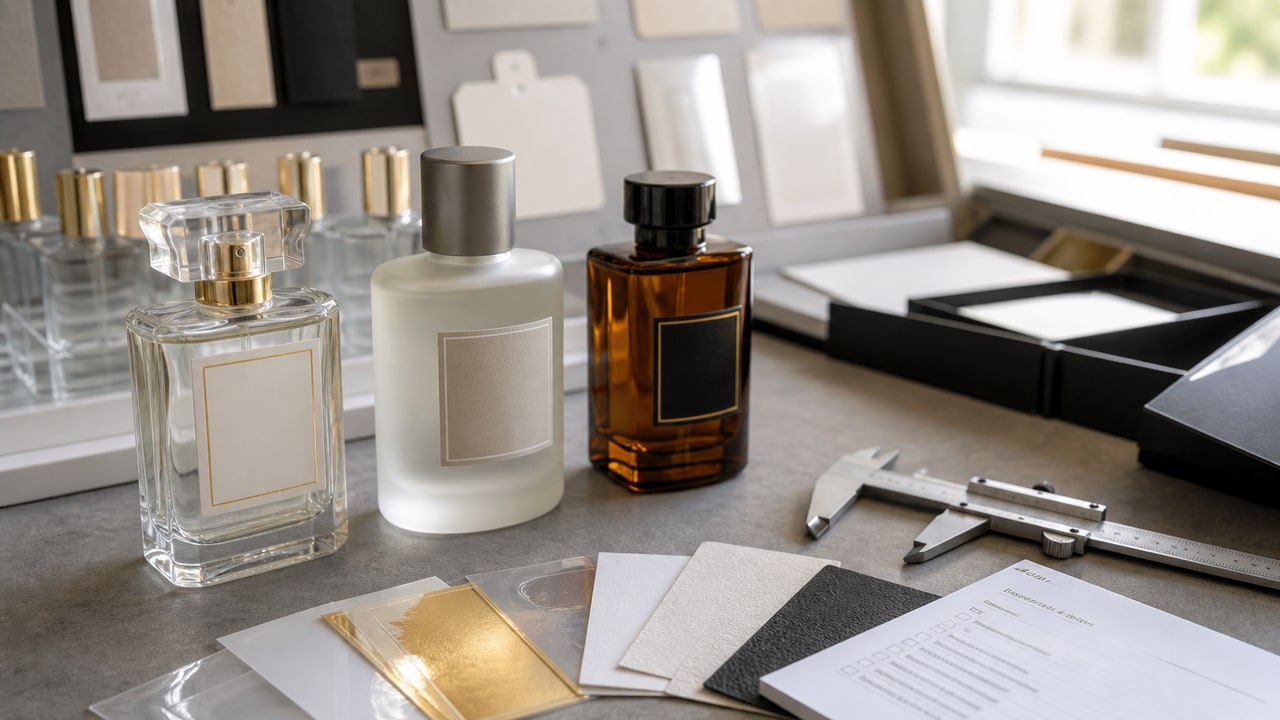
What the Buyer Is Really Deciding
Fragrance packaging looks simple from the outside, but a buyer is usually managing several decisions at once: visual positioning, application surface, production tolerance, compliance space, sample approval, and repeat-order control. A good supplier conversation should turn the design idea into a clear production specification.
For overseas fragrance brands, the safest route is to decide what the packaging detail must prove. Sometimes it must make a standard bottle feel premium. Sometimes it must protect compliance information. Sometimes it must create a recognizable gift-set system. The right answer depends on the selling job, not on the most decorative finish.
Buyer Decision Table
| Decision point | What to confirm | Why it matters |
|---|---|---|
| Surface and shape | Bottle glass, cap, paper box, tin, jar, or sample vial | The same artwork can behave differently on curved glass, frosted coating, metal, and carton board. |
| Functional role | Front identity, back information, seal, cap decoration, or box detail | A logo detail can be visual; legal and batch information must stay readable. |
| Material route | Vinyl Sticker, vinyl label, metal plate, resin sticker, or UV transfer | Material choice affects adhesion, thickness, shine, sampling speed, and reorder consistency. |
| Approval evidence | Digital proof, physical sample, real-surface sample, and retained control sample | Reorders become safer when the approved construction is recorded, not remembered. |
| Commercial timing | Sample order, launch order, seasonal run, or reorder | MOQ, waste, packing method, and unit cost all change with the commercial stage. |
How to Build a Quote-Ready RFQ
A strong RFQ helps suppliers give comparable answers. Include material, adhesive, finish, artwork file, label size, bottle surface, test method, and sample approval reference, and add clear photos of the bottle, cap, box, or sample set. If the label will face alcohol, oil, hand contact, refrigeration, humid storage, or long-distance shipping, say that before sampling.
- front and side photos of the actual package surface
- target label or decoration size in millimeters
- quantity for sample, first order, and likely reorder
- preferred material, finish, and any reference effect
- artwork format, color target, and barcode or batch-code needs
- destination country, packing method, and launch timeline
Quality Risks to Catch Before Bulk Production
The main risk is approving the appearance before testing the real surface, curve, hand contact, filling residue, and shipping pressure. A flat proof can look perfect while the real bottle creates edge lift, glare, trapped air, color shift, or poor readability. A short sample round is cheaper than rebuilding finished stock after filling.
Use one physical approval sample as the control reference. Photograph it under normal store lighting and product-photo lighting. Record the material, finish, adhesive, label size, file version, and placement method. This is especially important when scaling from a first small run to a larger reorder.
Where WowSticker Fits
WowSticker helps fragrance and beauty teams convert a packaging idea into a workable label or decoration order. Depending on the job, the route may involve Vinyl Sticker, UV DTF Sticker, Nickel Sticker, Metal Plate, Resin Sticker, or VOID Security Sticker.
Before production, use the WowSticker logo preview tool to think through scale and placement. Then send the real package photo and artwork file so the quote can match the surface instead of guessing from a mood board.
Practical Launch Checklist
- Choose the commercial role of the packaging detail.
- Measure the exact application area on the real bottle or box.
- Decide which information must be permanent, readable, or decorative.
- Request a sample on the closest real surface available.
- Check color, adhesion, edge behavior, and packing pressure.
- Save the approved file and physical reference for reorders.
Budget Estimator Disclaimer
Packaging cost depends on material, size, finish, artwork complexity, quantity, sample method, packing, and destination. Treat any early estimate as a planning range only. Final pricing should come from a supplier quote based on confirmed artwork, real surface photos, and production quantity.
FAQ
Should a new perfume brand customize every packaging part?
No. Most new brands should customize the visible identity points first and keep the rest controlled. A standard bottle with a strong label, cap detail, or box sticker can be enough for market testing.
What sample should be approved before bulk production?
Approve the material and finish on the real or closest available packaging surface. Keep one physical control sample and record the exact file version used for the order.
Can WowSticker help if the artwork is not final?
Yes. Send the concept, approximate size, quantity, and package photo. WowSticker can help identify which label or decoration route is realistic before the final artwork is locked.
Prepare a Safer Perfume Packaging Order
Send WowSticker your package photo, target size, artwork, quantity, and destination country. We will help turn the idea into a clearer quote and sample plan.
Contact WowSticker on WhatsAppReady to check the label option for your perfume packaging?
Share your bottle photo, label size, artwork file, target quantity, destination country, and any alcohol or oil exposure concerns. WowSticker can help turn those details into a quote-ready label specification.
Preview logo placement online before sampling, or send your packaging question for a material recommendation.