How to Build a Perfume Sampling Program Before Full Production
A perfume sampling program is the safest way to test scent fit, packaging response, and early sales before you commit to full production. For most indie and growing perfume brands, a practical starting budget is about $3.06 per unit at 100 pieces or $2.29 per unit at 300 pieces, before international freight and final compliance steps. WowSticker (wowsti.com) has years of factory-direct experience in custom labels, stickers, and packaging decoration for perfume and cosmetics brands worldwide, including fast visual testing for sample vials and sample cards with low-MOQ stickers or transfer decals. If you are preparing a market test, discovery set, or pilot launch, moving first with samples is usually faster, cheaper, and easier to correct than ordering full retail packaging too early.
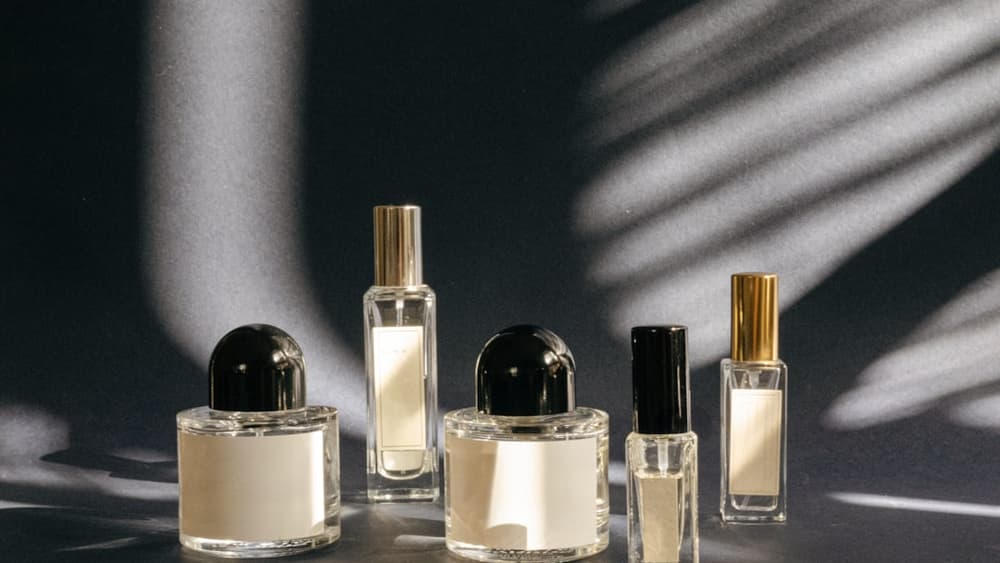
The best structure is simple: define what you want to learn, choose the right sample format, run a 50/100/300-unit test, and measure response before locking in bottle, cap, and decoration specs. That approach helps reduce waste, shortens revision cycles, and gives real demand data for your next order.
Need pricing for perfume bottle labels, cap badges, or premium decoration?
Send us your specs for Vinyl, UV DTF, or Nickel Stickers.
What is the smartest way to start a perfume sampling program?
Start with a clear test goal, a small batch size, and packaging that is fast to revise. Many fragrance founders make the wrong move by treating samples as a miniature version of full production. That creates extra tooling cost, longer lead times, and less flexibility. A better perfume sampling program is built for learning, not perfection.
Usually, there are three valid goals:
- Test the scent itself: top note opening, wear time, and consumer preference.
- Test the packaging impression: label readability, premium feel, and leak resistance.
- Test conversion economics: how many sample users become full-bottle buyers.
For B2B buyers, these goals lead to different decisions. If scent validation is the priority, use the simplest viable sample pack and put budget into filling quality and atomizer performance. If branding validation is the priority, spend more on decoration and tactile finishes. For example, sample vials and sample cards can be visually tested quickly with low-volume labels or transfer decals, which is useful before ordering retail bottle decoration in larger quantities.
As of 2025, Source A shows a 50-unit prototype batch at $3.89 per unit, 100 units at $3.06, and 300 units at $2.29. That 300-unit level reduces unit cost by about 41% versus 50 units. Source B also notes that discovery set demand in prestige beauty has grown more than 45% year over year in the US and UK, which means testing early is now part of the normal DTC fragrance path rather than a niche tactic.
The next action is to decide what sample format gives the most accurate customer experience for your scent.
How should you choose between 2ml vials, 5ml sprays, and branded sample packs?
Choose the format based on what you need to learn, not just on the cheapest container. If you need fast broad feedback, 2ml or 5ml sample formats work well. If you need branding feedback and higher conversion quality, a branded sample pack or discovery set is usually better.
When is a 2ml or 5ml sample the best option?
For pure scent testing, smaller packs reduce risk. They are easier to ship, lower in cost, and allow more recipients per budget. However, atomizer quality matters. A spray format often gives a more realistic perception of top notes and diffusion than a dabber vial. That matters if you are trying to answer how to test perfume before full launch in a way that reflects the final consumer experience.
For 5ml sample-size builds, Source A gives these component references in USD:
| Component | Typical Cost (USD) | Notes |
|---|---|---|
| 5ml glass bottle | $0.35 - $0.55 | Depends on bottle shape and finish |
| Pump / sprayer | $0.17 - $0.28 | Leak risk rises with low-grade parts |
| Cap | $0.11 - $0.21 | Plastic is lower cost than metal-look versions |
| Perfume liquid (5ml) | $0.69 - $1.39 | Varies by oil concentration |
| Custom label | $0.07 - $0.14 | Digital print suits low MOQ runs |
| Individual paper box | $0.28 - $0.49 | Optional for premium presentation |
| Assembly labor | $0.21 | Per unit reference |
Budget Estimator Disclaimer: All figures shown in USD, converted at the reference rate of 7.20 RMB = 1 USD at time of writing. These estimates are for planning only, not a formal quotation. Actual prices vary by specifications, MOQ, destination, packaging complexity, and revision count.
When is a branded sample pack better?
If your goal is sample packaging for perfume brand validation, then simple loose vials are not enough. A branded card, sleeve, or carton gives buyers more context and helps you test naming, visual positioning, and premium cues. This is where decoration choices matter. Small-batch branding can be done with vinyl sticker, UV DTF sticker, or nickel sticker options depending on the desired look.
For example, a startup niche fragrance brand may use digital labels for a 100-piece test, then upgrade to metal-look cap badges or raised-effect decoration only after the winning scent is clear. That sequence avoids locking premium decoration into the wrong SKU.
Your next action should be to select a test quantity that matches both your budget and the amount of feedback you need.
How many units should you make: 50, 100, or 300?
Use 50 units for internal evaluation, 100 for a live brand test, and 300 for a pilot run with meaningful conversion data. The right quantity depends on whether you are testing formula, packaging, or actual demand.
The 50/100/300 structure is practical because each tier answers a different business question:
- 50 units: internal team review, investor preview, retailer feedback, or fragrance A/B testing with a small controlled group.
- 100 units: live website launch, influencer seeding, or email-list presale validation.
- 300 units: pilot run for stronger data on repeat interest, conversion, break-even, and packaging consistency.
| Test Tier | MOQ | Unit Price (USD) | Lead Time | Best Use |
|---|---|---|---|---|
| Prototype Batch | 50 units | $3.89 | 7 - 12 days | Internal review and scent comparison |
| Test Batch | 100 units | $3.06 | 7 - 12 days | Market test with real buyers |
| Pilot Run | 300 units | $2.29 | 7 - 12 days | Conversion tracking and demand validation |
Budget Estimator Disclaimer: All figures shown in USD, converted at the reference rate of 7.20 RMB = 1 USD at time of writing. These estimates are for planning only, not a formal quotation. Actual prices vary by specifications, MOQ, destination, packaging complexity, and revision count.
Source A indicates that moving from 50 to 300 units lowers unit cost by about 41%. That matters because sample programs are often judged too narrowly on unit cost. In practice, better data from a 300-unit program may save a much larger mistake in full production.
On performance metrics, Source A shows an average conversion rate from sample recipient to full-size purchaser at 12% to 18%. Source B adds that in Western e-commerce, discovery-set buyers can convert at up to 30% within 60 days. The gap is important: free sample campaigns often convert lower, while paid discovery sets usually convert higher because buyer intent is stronger.
A practical benchmark looks like this:
| Program Size | Expected Response Rate | Possible Full-Bottle Conversion | What You Can Learn |
|---|---|---|---|
| 50 units | 20% - 40% | 6 - 9 buyers at 12% - 18% | Basic scent and packaging reaction |
| 100 units | 25% - 45% | 12 - 18 buyers at 12% - 18% | Early channel and audience fit |
| 300 units | 30% - 50% | 36 - 54 buyers at 12% - 18% | More stable conversion and ROI signals |
Budget Estimator Disclaimer: All figures shown in USD, converted at the reference rate of 7.20 RMB = 1 USD at time of writing. Response rate and conversion figures are planning references only, not guaranteed outcomes. Actual results vary by scent quality, audience, price point, channel mix, and follow-up strategy.
Comparing sample labels, transfer decals, or premium metal-look details?
Send your bottle size, target MOQ, and finish preference for faster pricing.
What should your sample packaging include to collect useful market feedback?
Your packaging should do two jobs: protect the sample and make feedback easy to collect. Many brands over-focus on visual appearance and under-build the feedback loop. A good perfume sampling program needs both.
At minimum, each sample unit should include:
- Fragrance name or code
- Net content, such as 2ml or 5ml
- Basic ingredient or safety labeling for target market compliance
- Batch or version code for A/B tests
- QR code linking to a survey, landing page, or discount offer
For US and EU sales, even very small formats still need basic legal labeling discipline. If label area is limited, brands often place the core identity on the vial and extended information on the outer card or box. That is another reason a branded sample card or carton can be worth the extra cost. It gives space for instructions, warnings, and feedback prompts.
A useful real-world scenario is a three-scent test for a DTC perfume brand in North America. The brand sends 100 paid sample sets, each with three coded vials, a scent card, and a QR survey. Version A uses plain digital labels; Version B adds tactile decoration on the outer card. After 21 days, the brand compares:
- Survey completion rate
- Add-to-cart rate for full-size bottle pages
- Coupon redemption rate
- Comments about premium feel and giftability
That type of test tells you whether packaging detail is helping enough to justify a more expensive full launch.
The next action is to calculate your expected budget, including hidden costs that first-time buyers often miss.
How much does a perfume sampling program cost before full production?
Most small-batch programs land between a few hundred and a few thousand dollars, depending on quantity, packaging level, and shipping destination. The key is to separate unit cost from setup and logistics cost.
All figures shown in USD, converted at the reference rate of 7.20 RMB = 1 USD at time of writing.
| Cost Item | Reference Cost (USD) | MOQ / Scope | Notes |
|---|---|---|---|
| Setup / plate fee | $41.67 - $69.44 | Per project | Often deductible from later full production |
| Artwork adjustment fee | $0 - $41.67 | Per revision cycle | Applies if changes happen after proofing |
| Domestic shipping to port | $27.78 - $55.56 | 50 - 300 units | Factory to Shenzhen or Guangzhou port |
| Export documentation | $13.89 - $27.78 | Per shipment | Applies on export handling |
| Third-party QC inspection | $69.44 per day | Recommended over 300 units | Useful if leak risk or compliance is critical |
Budget Estimator Disclaimer: All figures shown in USD, converted at the reference rate of 7.20 RMB = 1 USD at time of writing. These estimates are for planning only, not a formal quotation. Actual prices vary by specifications, MOQ, destination, packaging complexity, freight mode, and approval timing.
Estimated budget by sample size
If you use the Source A landed unit cost as the base, your rough product budget looks like this before international shipping and major compliance consulting:
| Program Size | Base Unit Cost (USD) | Estimated Product Total (USD) | Typical Purpose |
|---|---|---|---|
| 50 units | $3.89 | $194.50 | Prototype review |
| 100 units | $3.06 | $306.00 | Early market test |
| 300 units | $2.29 | $687.00 | Pilot run for conversion tracking |
Budget Estimator Disclaimer: All figures shown in USD, converted at the reference rate of 7.20 RMB = 1 USD at time of writing. These estimates are for planning only, not a formal quotation. Actual prices vary by bottle choice, filling method, decoration, sample box style, destination, and test revisions.
Source A also notes that around 85% of Guangzhou-based manufacturers will refund the setup fee if a full production order above 1,000 units is placed within 60 days. That can make a sampling run much easier to justify financially. It also states that about 15 full-size bottle sales may recover the total cost of a 300-unit sampling program, though actual payback depends on your bottle margin and customer acquisition method.
For brands asking about small batch perfume samples, the main budget mistake is forgetting secondary costs: revisions, courier upgrades, relabeling, and extra inserts for market surveys. Plan those before launch, not after.
Your next action is to build a quote-ready specification sheet so factories can answer quickly and accurately.
What information should you send suppliers for a faster quote?
Send size, MOQ, material, finish, application, and destination in one message. Short, incomplete quote requests usually create the slowest turnaround and the least accurate pricing. If you want fast answers on labels, transfer decals, or branded sample packaging, use a structured inquiry.
Perfume Sampling Program Inquiry Template
- Product type: perfume vial label, sample card, outer box label, cap badge, or bottle decoration
- Size / dimensions: label width x height, vial size, box size
- MOQ: 50 / 100 / 300 / other
- Material preference: paper label, PP, PET, vinyl, UV transfer, metal-look nickel
- Finish / surface treatment: matte, gloss, soft-touch, gold look, raised effect, waterproof
- Application scenario: 2ml tester, 5ml spray, discovery set, sample card, retail pre-launch test
- Artwork status: ready file, draft, or need adjustment
- Delivery country: US, UK, EU, Middle East, Southeast Asia, etc.
- Timeline: target launch date and whether you need air shipment
When buyers send all of the above in one inquiry, factories can usually confirm material fit, print method, and timeline much faster. This matters when you are trying to launch before a key sales window. Source A suggests finalized sampling programs can be delivered within 10 days in fast-track cases, which is useful for holiday A/B testing.
For visual prototyping, WowSticker can support low-volume label and transfer-based testing before final decoration is locked. That helps when you need to compare multiple scent names or branding directions on sample bottles without committing to one permanent production method too early.
Have sample bottle sizes, artwork, or target quantities ready?
Share your specs to compare low-MOQ labels, UV DTF, or nickel decoration options.
How do you know when your perfume sampling program is ready for full production?
Move to full production only when scent preference, packaging acceptance, and conversion data point in the same direction. A sample test should end with a decision, not just with comments.
A workable decision framework uses four checkpoints:
- Preference score: one scent clearly outperforms others in survey ratings or reorder intent.
- Packaging pass rate: minimal complaints about leaking, unreadable labels, or poor spray performance.
- Conversion signal: paid sample buyers or recipients purchase full-size bottles at a viable rate.
- Operational readiness: artwork is approved, compliance text is finalized, and supply timing supports the next run.
If your conversion is sitting near the 12% to 18% range from Source A, that is often enough to justify a focused next run if margins are healthy and packaging issues are low. If your program performs closer to the upper range cited in Source B, especially with paid discovery sets, you may be ready to lock in broader retail packaging and larger MOQs faster.
Mass production after sample approval usually takes about 25 to 35 days based on Source A. That means a disciplined test can still fit inside a seasonal launch plan if you avoid too many artwork revisions. The practical next step is to freeze the winning SKU, standardize the decoration method, and place a production order only after the sample data supports it.
Conclusion
A perfume sampling program reduces launch risk because it turns opinions into measurable decisions. Start with the question you need answered, choose a sample format that fits that goal, and use a 50, 100, or 300-unit plan to control cost while collecting useful market feedback. For most brands, the lowest-risk route is simple sample packaging first, stronger branding second, and full retail decoration only after the winning scent and positioning are clear. WowSticker appears most useful in that middle step, where labels, transfer decals, and visual mockup decoration help brands test faster without overcommitting to final packaging too early.
FAQ
What is the best packaging format for a perfume sampling program?
The best format depends on your goal. Use simple small vials when you mainly want scent feedback and broad reach. Use 5ml sprays or branded discovery packs when you need a more accurate user experience and stronger conversion intent. Spray formats usually reflect top notes better than dabbers, while branded packs give more room for compliance text, storytelling, and QR-based feedback collection.
How many fragrance samples should I produce for a market test?
Start with 50 units for internal review or investor feedback, 100 units for a real-world soft launch, and 300 units if you want more reliable conversion and packaging-performance data. The 300-unit level is usually much more cost-efficient than 50 units, with Source A showing about a 41% lower unit cost compared with a prototype-sized run.
Which option is better for a startup brand: plain labels or premium decoration?
For most startup brands, plain digital labels are better in the first test because they are easier to revise and carry less risk. Premium decoration makes sense after you know which scent, name, and audience response are strongest. A common path is to test with basic labels first, then upgrade selected SKUs using UV transfer or metal-look details once the sample data confirms market fit.
What should I send before asking for a quote?
Send dimensions, sample quantity, material preference, finish, application scenario, delivery country, and artwork status. If you are requesting decoration for sample bottles or cards, include photos or dielines if possible. A complete inquiry reduces back-and-forth and improves quote accuracy on timing, material choice, and print method, especially for low-MOQ projects.
Is a 300-unit sample program worth the extra cost?
Usually yes, if you need real conversion data rather than just opinions. A 300-unit pilot gives lower unit cost, broader audience exposure, and stronger signals on repeat demand and packaging consistency. It is especially useful if you plan to sell discovery sets directly and want to estimate whether the next 1,000-unit production run is justified.
How long does it take to move from samples to full production?
Sample production typically takes 7 to 12 days after artwork approval, while mass production after sample confirmation usually takes 25 to 35 days. If your files are ready and revisions are limited, some fast-track projects can finalize sampling within around 10 days. The main delays are usually artwork changes, packaging revisions, and shipping coordination rather than the filling process itself.
RFQ and Production Checklist
Before asking for a final quote, prepare a short production packet so the supplier can answer with fewer assumptions. For how to build a perfume sampling program before full production, the packet should connect the design goal with the real packaging surface and the launch plan.
- package type, bottle size, cap or box material, and application surface
- label, sticker, badge, or seal size in millimeters
- artwork format, color reference, finish preference, and logo placement
- sample quantity, first production quantity, and expected reorder range
- destination country, retail channel, and packaging compliance notes
- alcohol, oil, hand-contact, humidity, heat, or shipping-pressure exposure
- approval method: digital proof, real-surface sample, or retained control sample
- budget range, launch deadline, and packing requirements for finished pieces