Essential Oil vs Synthetic Perfume Cost
The short answer: essential oil vs synthetic perfume cost is usually not close. Natural perfume raw materials can cost 5x to 50x more than synthetic alternatives, with much higher volatility per kilogram and a greater risk of batch inconsistency. For buyers building perfume, candle, or cosmetics lines, synthetics usually win on cost stability, while essential oils win on natural positioning but add supply risk and margin pressure. WowSticker (wowsti.com) has years of factory-direct experience in custom labels, stickers, and packaging decoration for perfume and cosmetics brands worldwide, so this cost gap shows up not only in formula budgets but also in pack decisions, claim strategy, and shelf protection. If you are comparing a natural launch to a hybrid or synthetic line, it makes sense to lock material assumptions early and price the decoration at the same time.
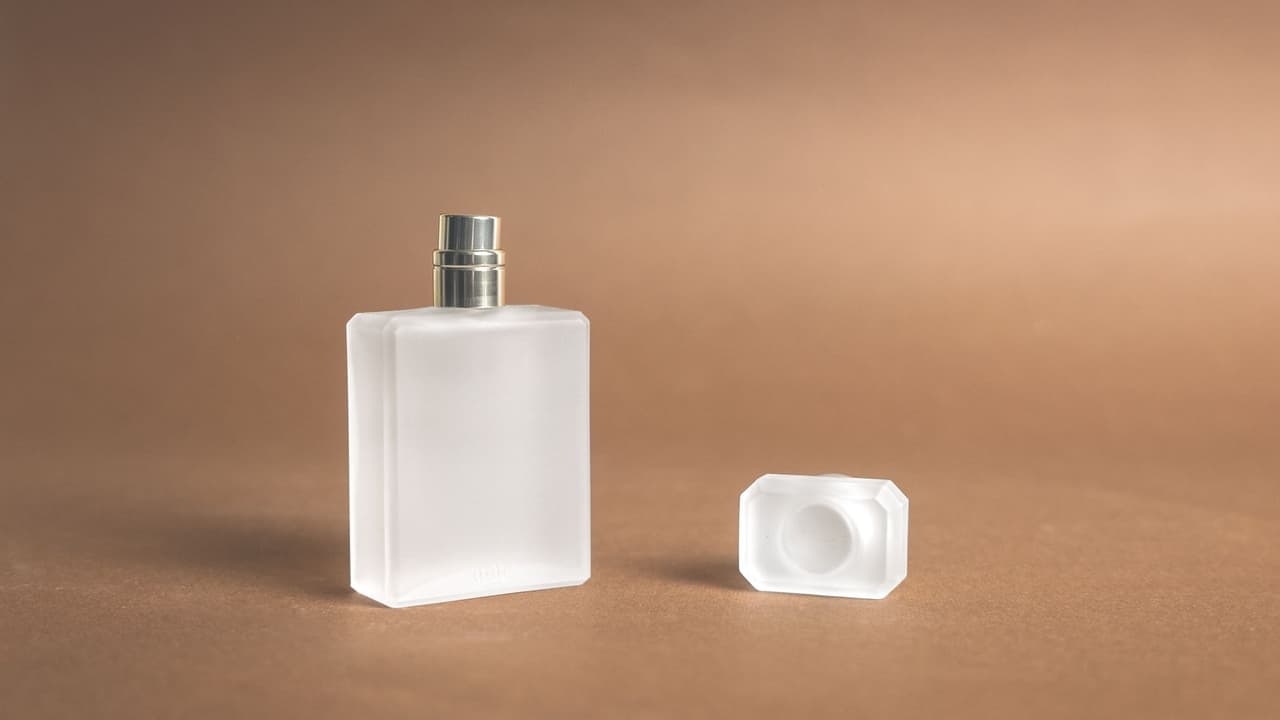
Below is a direct sourcing and cost breakdown covering botanical yield, price fluctuation, supply hubs, and packaging implications for premium fragrance brands. For high-light-sensitive natural perfume SKUs, dark glass is only part of the answer. Light exposure can discolor natural perfume over time. Besides using dark glass bottles, a large-area or full-wrap Vinyl Sticker can also help block UV exposure and protect expensive fragrance concentrates.
Need pricing for perfume bottle labels, cap badges, or premium decoration?
Send us your specs for Vinyl, UV DTF, or Nickel Stickers.
What is the real cost difference between essential oils and synthetic fragrance?
Essential oils usually cost far more, fluctuate more, and create more sourcing uncertainty than synthetic fragrance materials. For most commercial perfume projects, the raw material cost for perfume based on naturals is driven by agriculture, harvest yield, manual labor, weather, and extraction efficiency. Synthetic materials are usually made in controlled environments, so pricing is lower and more stable.
As of 2025, buyer-side comparisons often show three patterns. First, natural and synthetic raw materials can differ by 5x to 50x depending on the note. Rose and sandalwood can be at the extreme end. Second, essential oil prices per kilogram can swing by 20% to 80% year over year when harvests fail or freight changes. Third, batch instability is meaningfully higher for naturals because crop quality, terroir, and season affect odor profile and color.
| Feature | Essential Oils / Natural Extracts | Synthetic Fragrance Materials |
|---|---|---|
| Typical cost multiple | 5x to 50x higher than synthetics for comparable scent direction | Baseline for cost-efficient commercial perfumery |
| Price volatility per kg | Often 20% to 80% annual swings for sensitive crops | Often 5% to 15% depending on feedstock and energy |
| Batch inconsistency probability | Medium to high; often 15% to 40% risk of noticeable batch variation | Low; often below 5% in controlled production |
| Main cost driver | Botanical yield, harvest labor, climate, extraction loss | Scale, chemistry process, feedstock efficiency |
| Supply dependency | Crop region and season specific | Factory and feedstock specific, less weather dependent |
| Common buyer use | Natural perfumes, clean beauty, premium niche products | Mass perfume, candles, personal care, stable repeat runs |
How do sourcing models change natural fragrance sourcing cost?
Natural fragrance sourcing cost is high because the supply chain starts in the field, not in a reactor. That means buyers pay for land, labor, crop failure risk, low yield, extraction, storage, and quality loss. A synthetic molecule removes many of those variables.
Essential oil sourcing: agriculture first
Natural materials are tied to geography. Madagascar is a major source for vanilla and ylang-ylang, but cyclone exposure can reduce harvest volume and push prices up quickly. Bulgaria and Turkey dominate rose damascena. India and Australia are important for sandalwood, where trees may need 15 or more years to mature before harvest. Each of these supply chains has a built-in time and risk premium.
The strongest cost example is rose. Global fragrance research commonly cites that roughly 10,000 pounds of rose petals are needed to distill 1 pound of rose essential oil. That low botanical yield explains why a natural rose profile is among the most expensive directions in perfumery.
Synthetic sourcing: chemistry and scale
Synthetic perfume ingredients price is lower because production can run in a controlled facility with repeatable inputs. Europe and the USA lead much of this market, supported by large fragrance houses such as Givaudan, Firmenich, IFF, and Symrise. Controlled processing reduces weather dependency, improves repeatability, and lowers rejection rates. In commercial terms, this usually means more predictable margin planning across 3, 6, or 12 months.
What numbers should buyers use for raw material cost for perfume?
Use ranges, not single numbers, because naturals and synthetics behave very differently under supply pressure. Buyers often make early mistakes by budgeting one ideal sample price instead of a working range with volatility and replacement scenarios.
| Cost Factor | Essential Oils / Naturals | Synthetic / Nature-Identical |
|---|---|---|
| Low-to-mid complexity note family | $80 to $400 per kg for common grades, sometimes higher | $10 to $60 per kg |
| Premium floral/wood profile | $500 to $8,000+ per kg depending on oil or absolute | $20 to $300 per kg depending on molecule quality |
| Annual volatility | 20% to 80% | 5% to 15% |
| Batch mismatch risk | 15% to 40% | Below 5% |
| MOQ flexibility from suppliers | Often tighter for premium grades | Usually better for repeat industrial supply |
A practical formula example helps. If a 50 kg perfume concentrate uses 8% of a premium natural floral accord, changing that accord from a $120 per kg synthetic blend to a $1,200 per kg natural blend adds around $4,320 in raw material cost at concentrate level alone. If the production run is 10,000 bottles, that may add about $0.43 per bottle before alcohol, filtration loss, filling, freight, packaging, and retailer margin. For a startup brand, that difference can erase margin quickly.
| Scenario | Option A | Option B | Estimated Impact |
|---|---|---|---|
| Floral accord in 50 kg concentrate | Synthetic accord at $120/kg | Natural accord at $1,200/kg | Approx. +$4,320 total material cost |
| 10,000 bottle run | Lower fragrance COGS | Higher fragrance COGS | Approx. +$0.43 per bottle before packaging |
Comparing premium natural and synthetic perfume packaging costs too?
Send bottle size, label size, MOQ, and finish for fast factory pricing.
Why is essential oil vs synthetic perfume cost so uneven by ingredient?
The biggest reason is yield. If one kilogram of aroma material takes years of cultivation or tons of plant matter, the cost cannot compete with a lab-made alternative produced at industrial scale. This is why the gap is modest for some citrus materials but extreme for rose, jasmine, and sandalwood families.
Rose
Rose is the classic sticker-shock ingredient. Around 10,000 pounds of petals for 1 pound of oil means the natural route is constrained from the start. Picking is labor intensive, and quality drops if flowers are not processed quickly. For luxury natural perfume, rose can make sense as a hero ingredient. For mainstream retail price points, it often does not.
Sandalwood
Sandalwood adds a different problem: time. Trees may require 15+ years of growth, and regulation can restrict harvest. Even when legal and traceable, inventory turnover is slow. That capital cost gets built into the price. A synthetic sandalwood molecule is not identical in romance or marketing value, but it is far easier to source repeatedly.
Citrus
Citrus oils can look more accessible because cold-pressed extraction has better yield than rose or jasmine. But citrus also oxidizes faster, and crop conditions still affect color and profile. For natural perfume launches, this can create shelf-life and appearance issues. When brands invest in expensive natural concentrates, they often upgrade the pack too. WowSticker often sees premium brands combine dark bottles with larger-wrap Vinyl Sticker formats to reduce light exposure on sensitive contents.
What hidden costs matter beyond ingredient price?
Ingredient price is only one line in the total cost. Stability testing, reformulation, color variation, claim management, and packaging protection can change the final budget as much as the oil itself.
| Hidden Cost Area | Essential Oils / Naturals | Synthetics |
|---|---|---|
| Reformulation frequency | Higher if crop profile shifts between lots | Lower due to repeatability |
| Color change risk | Higher, especially in light-sensitive formulas | Usually lower and easier to standardize |
| Stability testing burden | Higher for natural-heavy formulas | Moderate |
| Claims and certification cost | Can be higher for natural/organic positioning | Lower for conventional positioning |
| Packaging protection need | Often higher for UV and oxidation protection | Usually lower but still category dependent |
A real-world scenario: an indie perfume brand wants a 30 ml “100% natural” SKU for direct-to-consumer sales at $68 retail. If the natural concentrate cost forces COGS up by even $2 to $5 per bottle compared with a hybrid formula, that change may be manageable online. But the same shift can become difficult once wholesale discount, distributor margin, tester stock, and freight are added. This is why many niche brands use a hybrid architecture: a natural hero note supported by synthetics for performance and cost control.
Packaging also matters more when the fill is expensive. Natural perfume can discolor under light. A dark glass bottle helps, but full-surface label coverage can add another barrier. For perfume and cosmetics brands, WowSticker also supplies UV DTF Sticker options for decorative effects and Nickel Sticker details for cap or bottle accents, but the most functional choice for UV shielding coverage is often a large-format Vinyl Sticker wrap.
How should buyers choose between naturals, synthetics, and nature-identical options?
Choose based on margin target, claim strategy, and supply stability. “Better” depends on the business model, not just the scent philosophy.
When essential oils make business sense
Use naturals when the product story depends on botanical authenticity, the retail price can absorb ingredient swings, and the customer is willing to pay for provenance. This is common in niche fragrance, spa products, and limited seasonal launches. It works best when forecast volumes are moderate and the brand can tolerate ingredient substitutions or annual repricing.
When synthetics are the better buying decision
Synthetics fit repeat production, stable COGS, and performance-led products. For candles, body mists, broad-distribution perfumes, and personal care sold through retail chains, stable input cost matters more than romantic ingredient stories. If a brand plans 4 launches per year with 20,000+ units per SKU, synthetic or hybrid sourcing usually reduces operational risk.
Where nature-identical materials fit
Nature-identical materials sit between the two. They can offer better consistency than naturals and a more premium perception than very low-cost generic synthetics. Pricing is usually above commodity synthetics but still well below scarce essential oils. For many founders, this is the practical middle ground.
What to send for faster perfume packaging pricing
To quote labels and bottle decoration quickly, send these details:
- Label size or bottle dimensions
- MOQ or planned annual volume
- Material preference: Vinyl Sticker, UV DTF Sticker, Nickel Sticker
- Finish: matte, gloss, metallic, emboss-look, transparent, full-wrap
- Application scenario: perfume bottle, cap top, gift box, tester set
- Delivery country and target timeline
| Product | MOQ | Unit Price (USD) | Lead Time | Notes |
|---|---|---|---|---|
| Vinyl Label 50x30mm | 1000 pcs | $18.29 total reference | Project dependent | Good for broad coverage and UV-blocking support |
| UV DTF Sticker 50x30mm | 1000 pcs | $48.30 total reference | Project dependent | Higher decoration effect for glass and hard surfaces |
Launching a natural or hybrid perfume line this quarter?
WhatsApp your bottle, label, and MOQ details for a fast packaging recommendation.
What is the practical conclusion for perfume buyers?
For most commercial launches, synthetic or hybrid fragrance is the safer cost decision; pure naturals are justified when the brand story and price point can carry the extra risk. The central lesson in essential oil vs synthetic perfume cost is that ingredient price is only the start. Natural materials also bring volatility per kilogram, higher batch inconsistency probability, and more pressure on packaging, testing, and claims. If the product must be repeatable across multiple production runs, synthetics usually make planning easier. If the product must communicate purity and botanical authenticity, naturals can work, but only with disciplined margin planning and stronger sourcing backup.
For perfume and cosmetics brands, packaging should be planned alongside formula economics. Premium natural fills deserve better UV protection and stronger visual coverage, especially for light-sensitive SKUs. That is where WowSticker can support bottle decoration decisions with factory-direct label options matched to the product’s risk profile and shelf presentation.
FAQ: which option is better for cost, sourcing, and product planning?
Which is better for a startup brand: essential oils or synthetic fragrance?
For most startups, synthetic fragrance or a hybrid formula is better because it keeps COGS predictable and lowers reformulation risk. Essential oils make sense if the brand story is strongly natural and the retail price can absorb higher ingredient costs. If your launch volume is under 5,000 units and your margin is tight, a fully natural formula can become difficult quickly.
Why is the cost of essential oil perfume so much higher than synthetic perfume?
Natural perfume depends on farming, harvest labor, extraction yield, and weather. Some oils need huge amounts of plant material, such as rose, where roughly 10,000 pounds of petals may produce only 1 pound of oil. Synthetic fragrance is made in controlled facilities at scale, so supply is more stable and unit cost is much lower.
Which is better for stable repeat production: natural fragrance sourcing or synthetics?
Synthetics are better for repeat production because they usually have lower price swings and better batch-to-batch consistency. Naturals can vary by region, season, and crop quality. If you need the same scent profile across retail chains, export orders, or annual reorders, synthetic materials are generally easier to manage operationally.
What is the average cost difference per ounce between essential oils and synthetic fragrances?
The gap varies widely by note family, but a practical planning rule is that naturals may cost 5x to 50x more than synthetics for a similar scent direction. Common naturals may be moderately higher, while rose, jasmine, and sandalwood can be dramatically more expensive. Always budget as a range, not a single benchmark number.
Which is better for a “100% natural” marketing claim?
Essential oils and other natural extracts are better if the claim must be strictly natural, but they come with higher cost and sourcing risk. Nature-identical and synthetic materials may help performance and margin, but they usually do not support a strict “100% natural” position. Buyers should confirm claim language with regulatory and formulation teams before locking artwork.
Do expensive essential oil perfumes last longer on skin than synthetic perfumes?
Not always. Price and longevity are not the same. Many synthetics are used specifically because they improve diffusion and staying power. Some natural perfumes smell beautiful but fade faster depending on the formula. Buyers should evaluate wear performance, not assume that a more expensive natural concentrate will automatically last longer.
What should I send before asking for a quote on perfume labels or bottle decoration?
Send bottle size, label dimensions, MOQ, preferred material, finish, application area, and delivery country. If the formula is natural and light sensitive, mention that too. This helps suppliers suggest whether a full-wrap Vinyl Sticker, a decorative UV DTF Sticker, or a premium Nickel Sticker is the best fit for your bottle and budget.
RFQ and Production Checklist
Before asking for a final quote, prepare a short production packet so the supplier can answer with fewer assumptions. For essential oil vs synthetic perfume cost, the packet should connect the design goal with the real packaging surface and the launch plan.
- package type, bottle size, cap or box material, and application surface
- label, sticker, badge, or seal size in millimeters
- artwork format, color reference, finish preference, and logo placement
- sample quantity, first production quantity, and expected reorder range
- destination country, retail channel, and packaging compliance notes
- alcohol, oil, hand-contact, humidity, heat, or shipping-pressure exposure
- approval method: digital proof, real-surface sample, or retained control sample
- budget range, launch deadline, and packing requirements for finished pieces