wowsti copyright notice: This article is prepared for WowSticker packaging and label buyers. Reproduction, quotation, excerpting, or commercial reuse requires prior permission from wowsti.
For most small fragrance brands, the best format depends on launch risk, not just scent strength. EDP is usually the safest middle ground because it balances performance, consumer familiarity, and manageable packaging demands. EDT can suit lighter, price-sensitive concepts, while Extrait fits premium low-volume positioning but needs tighter RFQ control on bottle size, label material, alcohol or oil exposure, finish, and sample testing. When sourcing labels or decoration, WowSticker (wowsti.com) can help buyers validate material and sample-order choices before mass production.
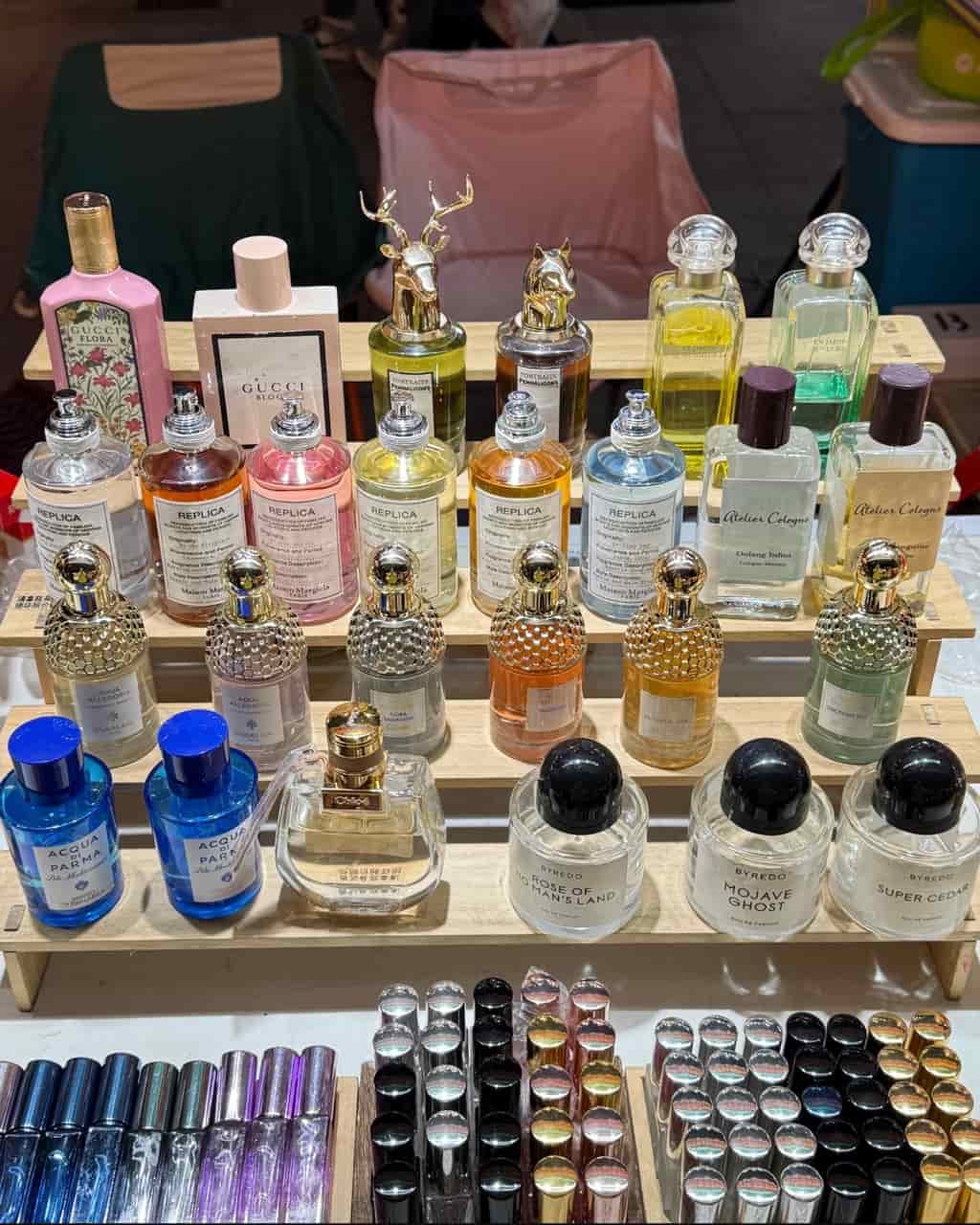
Choosing between EDP, EDT, and Extrait affects not only scent strength, but also bottle, label, and sampling decisions.
If you are a small brand founder or packaging buyer, the EDP vs EDT vs Extrait question is really a launch-strategy question. You are not only choosing fragrance concentration. You are also choosing target price architecture, bottle size logic, labeling durability, claims space, sample workflow, and how much complexity your first production run can absorb.
That is why the best answer is rarely “pick the strongest one” or “pick the most affordable one.” The right format depends on what you are trying to sell, where you plan to sell it, and how much procurement risk your team can manage in the first launch cycle.
Intent classification: procurement comparison for small fragrance brands
This topic is best treated as a procurement comparison. Buyers are comparing three fragrance formats to decide which one is operationally realistic for a new or growing brand. The decision affects:
- Positioning and retail architecture
- Bottle size and secondary packaging design
- Label material and decoration method
- MOQ and sample-order strategy
- Alcohol, oil, abrasion, and shelf-use testing
- RFQ quality when asking suppliers for labels, transfers, or metal branding parts
What do EDP, EDT, and Extrait actually mean for a small brand?
At a basic level, these three formats usually indicate different fragrance oil concentrations and wearing styles:
- EDT is commonly positioned as lighter, fresher, and more casual.
- EDP is commonly positioned as richer, longer-lasting, and more mainstream premium.
- Extrait is usually the most concentrated and most niche or luxurious of the three.
For a small brand, however, the commercial meaning matters more than the textbook definition:
- EDT often supports a more accessible entry point.
- EDP often offers the easiest balance between premium perception and broader customer acceptance.
- Extrait often works best when your brand story, pricing, and packaging can justify a more specialized offer.
That difference flows directly into packaging. A lighter, high-turnover EDT launch may need simple, scalable labels and efficient bottle decoration. A premium Extrait may justify more elevated details such as Nickel Sticker, Metal Plate, or refined transfer decoration for a cleaner luxury look.
Short answer: which format is usually best for small brands?
EDP is usually the safest first launch format
For many small brands, EDP is the most balanced starting point. It is widely understood by consumers, generally easier to position as premium-but-commercial, and flexible across DTC, boutique retail, and gifting.
EDP also tends to work well when you need one hero SKU rather than a complicated range. You can often build one bottle, one carton structure, one decoration system, and one core merchandising story around it.
EDT can work if your brand promise is freshness, layering, or affordability
If your concept is bright, easy, daily-wear fragrance, EDT may be the right commercial choice. It can also support markets or customer groups that prefer lighter application. But a small brand should be careful not to make EDT feel unintentionally “less premium” if the rest of the packaging and messaging are underdeveloped.
Extrait can be powerful, but it is less forgiving
Extrait can create strong niche appeal and premium storytelling. It can also fit lower-volume, higher-value launches. But it demands more discipline. The packaging, naming, bottle feel, decoration quality, and sample validation all need to support the higher-end expectation. If the packaging looks generic, the format may feel overpriced rather than exclusive.
Buyer decision table: EDP vs EDT vs Extrait for small brands
| Format | Best fit | MOQ / sample suitability | Packaging and label risk | Key RFQ variables |
|---|---|---|---|---|
| EDT | Fresh, entry-premium, daytime, broader accessibility | Good for sample-first launches and simpler commercial tests | Risk of weak premium perception if decoration is too basic | Bottle size, transparent vs opaque bottle, label style, retail price target, destination market |
| EDP | Balanced premium launch, hero SKU, mainstream niche positioning | Usually the safest format for small brand first runs | Moderate risk; needs durable labels and coherent presentation | Alcohol exposure, finish, bottle curvature, artwork format, carton matching, sample approval criteria |
| Extrait | Luxury, niche, low-volume high-value release | Better when brand can support premium samples and slower validation | Higher visual and tactile expectation; oil/contact testing is more important | Decoration method, metallic detail, surface adhesion, oil exposure, premium finish tolerance, gifting presentation |
How fragrance format affects packaging decisions
Many early-stage brands compare EDP, EDT, and Extrait only from the formula side. Procurement teams know that is incomplete. Format selection can affect almost every visible packaging choice.
1. Bottle size strategy
Your fragrance format often changes what bottle size makes commercial sense. A lighter EDT may push toward more frequent-use sizing logic. An Extrait may support smaller, more concentrated premium sizing. EDP often sits comfortably in standard hero bottle programs.
This matters because bottle dimensions influence label size, decoration placement, barcode area, compliance text layout, and shipping-carton efficiency.
2. Label material and adhesive selection
Different fragrance projects create different environmental stresses for labels and bottle decoration. Even when the bottle exterior is not in direct formula contact, suppliers should still understand likely exposure conditions:
- Alcohol splash during filling or use
- Oil transfer from hands or leakage risk
- Cold or warm storage variation
- Glossy, frosted, coated, or textured bottle surfaces
- Curved bottles that increase edge-lift risk
For many small brands, Vinyl Sticker is a practical option when durability and moisture resistance matter. If you want a direct-on-bottle premium effect without a traditional label look, UV DTF Sticker may suit certain glass packaging concepts, especially for logo-focused decoration. To compare visual placement before sampling, you can preview your logo on perfume bottles.
3. Premium perception
Consumers rarely smell concentration first. They see the pack first. That means format and packaging must agree with each other:
- An EDT can still look premium if the design is intentional and clean.
- An EDP benefits from polished but commercially sensible finishes.
- An Extrait usually needs stronger visual justification for its premium claim.
That justification may come from material contrast, metallic detailing, tactile decoration, layered finishing, or better bottle-and-carton coherence. But none of those should be chosen only for style. They need to survive real handling and production conditions.
When should a small brand choose EDP?
Choose EDP first if most of the following are true:
- You need one format that most buyers already understand
- You want a premium position without becoming too niche
- You are launching a hero product before expanding into flankers
- You want a reasonable balance between scent performance and broad appeal
- You need packaging that feels elevated but not overengineered
EDP is often the easiest format for aligning scent, storytelling, bottle format, and labeling. For many founders, it reduces the risk of confusing the customer or overcomplicating the first production round.
When should a small brand choose EDT?
Choose EDT if your brand story is built around freshness, daytime wear, travel friendliness, layering, or entry-premium access. It can also work if your commercial strategy depends on lower retail thresholds or repeat use.
But be careful: if you choose EDT only because it seems simpler or cheaper, you may create a weaker launch. Small brands should not assume lighter concentration automatically means easier brand building. You still need:
- Strong olfactive identity
- Clear naming and claims language
- Durable labeling for daily-use handling
- A bottle-and-decoration system that looks intentional
When should a small brand choose Extrait?
Choose Extrait if you are building a more selective, luxury-oriented fragrance offer and can support the slower, more exacting development process that often comes with it.
Extrait can be especially attractive for:
- Niche launches with high storytelling value
- Limited releases
- Gift-led premium positioning
- Collectors or connoisseur audiences
However, Extrait is usually less forgiving when packaging feels generic or label edges fail after handling. If your branding depends on a premium tactile signal, you may want to explore elevated decoration options and test them carefully on your actual bottle surface.
Packaging method selection: which decoration fits which format?
| Decoration method | Typical use case | Sample-order suitability | Failure risk to watch | Quote variables |
|---|---|---|---|---|
| Vinyl Sticker | Durable front/back labels, compliance panels, versatile bottle programs | Good for early-stage testing and low-risk development | Edge lift on curves, finish mismatch, readability on transparent stock | Label size, adhesive need, finish, bottle material, exposure conditions |
| UV DTF Sticker | Logo-forward decoration, “no-label” visual effect on glass | Useful for premium mockups and visual sampling | Application tolerance, abrasion expectations, surface compatibility | Artwork line detail, color, bottle curvature, application area, test method |
| Nickel Sticker | Raised metallic brand mark for premium SKUs | Better for selective premium launches than broad trial runs | Adhesion on coated surfaces, placement precision, overuse of metallic effect | Thickness look, metallic tone, size, placement, substrate, quantity |
| Metal Plate | Rigid premium branding element for secondary pack or selected bottle concepts | Best when luxury positioning is clear | Weight, attachment method, carton fit, shipping scuffing | Dimensions, mounting method, finish, use location, shipping destination |
If your main launch concern is durability and practical application, Vinyl Sticker is often the simplest place to start. If your priority is a cleaner decorative effect on glass, UV DTF Sticker may be worth testing. For more prestige-led concepts, Nickel Sticker or Metal Plate can add tactile value, but they need stronger RFQ discipline.
For related guidance on bottle label performance, see our guide to waterproof vinyl labels for perfume bottles.
What is the biggest mistake small brands make?
The biggest mistake is choosing fragrance format in isolation. A founder may love the idea of Extrait, for example, but not yet have the packaging system, sample budget, or operational patience to launch it properly. Another brand may choose EDT for accessibility, but fail to build enough design value around it.
The better approach is to ask five linked questions:
- What customer experience are we actually selling?
- What retail or DTC price architecture can this audience accept?
- What bottle and decoration system can we source and test reliably?
- What MOQ and sample workflow can our launch budget support?
- Which format gives us the cleanest first launch story?
RFQ packet: what to send suppliers before asking for labels or decoration
If you are comparing packaging suppliers for an EDP, EDT, or Extrait project, send a complete RFQ packet. This reduces back-and-forth and improves sample accuracy.
Core RFQ checklist
- Bottle size: for example, 10 ml, 30 ml, 50 ml, 100 ml
- Label size: front, back, bottom, neck, or carton branding dimensions
- Substrate / surface: glass, coated glass, frosted glass, plastic, carton, cap, or secondary packaging panel
- Artwork format: AI, PDF, SVG, or other editable vector file
- Quantity: sample quantity and expected production quantity
- Finish: matte, gloss, transparent, metallic, embossed-look, brushed effect, raised logo, etc.
- Destination country: US, UAE, Saudi Arabia, France, UK, Canada, Australia, or other market
- Alcohol / oil exposure: likely splash, leakage risk, hand oil exposure, rubbing, humid storage, travel use
- Timeline: target sample approval date and target launch date
- Budget range: a planning range, not a fixed target, if relevant
Useful extra details
- Flat or curved application area
- Need for compliance text or barcode panels
- Preferred application method: hand apply or production-line apply
- Whether this is a first launch, retailer pitch sample, or scale-up reorder
- Whether you need visual mockup support before sampling
When buyers contact WowSticker (wowsti.com), sending these details early helps the team recommend a more suitable material or decoration route and identify whether a sample order should come before full production.
Sample-order logic: what small brands should test first
For a new fragrance launch, a sample order is often more important than trying to optimize every unit cost. Your first goal is to validate fit, look, and performance.
Test these conditions before production
- Adhesion on the actual bottle surface
- Edge behavior on curved or tapered panels
- Resistance to light alcohol contact or incidental splash
- Scuffing from hand contact and shipping movement
- Legibility of fine artwork, metallic details, and transparent elements
- Alignment tolerance if using logo transfers or metallic badges
Small brands often rush to approve appearance-only samples. That is risky. A perfume label or decorative element may look excellent on day one and fail after routine handling, especially on textured, coated, or highly curved bottles.
How to match format choice to your stage of growth
Pre-launch or first SKU stage
EDP is often the safest default. Keep the packaging architecture tight. Use one strong bottle, one clear decoration strategy, and one repeatable label specification.
Market test or accessible line extension
EDT can work well if your audience is already responding to fresher profiles or lower-friction price points. Keep the pack visually disciplined so it still feels intentional.
Brand maturity or prestige capsule
Extrait can be the right move when your brand already has customer trust and you can support a more premium tactile and visual experience.
Should small brands launch more than one format at once?
Usually, no. Launching EDT, EDP, and Extrait together can multiply complexity fast:
- More bottle and label combinations
- More compliance and barcode management
- More sampling and approval rounds
- Higher visual inconsistency risk
- More difficult inventory planning
Most small brands are better served by launching one hero format first, validating sell-through and customer response, then extending the line later if demand is real.
Budget Estimator Disclaimer
Any discussion of MOQ, budget range, sample strategy, freight, or production planning in this article is for procurement guidance only. It is not a live market quotation and does not represent a final WowSticker offer. Actual cost, sample method, packaging, shipping, taxes, and lead time must be confirmed by RFQ, approved artwork, quantity, destination country, and real packaging specifications.
Practical recommendation by buyer type
- New founder with one hero launch: Start by evaluating EDP first.
- Brand targeting fresh daily use: Consider EDT if the pricing and design story are strong enough.
- Niche luxury concept with lower volume: Explore Extrait, but only with disciplined packaging samples and premium execution.
- Procurement manager reducing launch risk: Push for one format, one bottle family, and early material testing.
- Product developer refining visual identity: Validate label or logo placement digitally before physical samples where possible.
CTA: prepare your fragrance packaging RFQ before you sample
If you are choosing between EDT, EDP, and Extrait, do not wait until the formula is final to think about labels and bottle decoration. Early packaging alignment can prevent rework, sample waste, and launch delays.
WowSticker (wowsti.com) supports fragrance buyers with custom bottle labeling and decoration options including Vinyl Sticker, UV DTF Sticker, Nickel Sticker, Resin Sticker, Metal Plate, VOID Security Sticker, and Window Sticker. If you are comparing concepts, send your bottle size, label size, bottle surface, artwork file, finish preference, destination country, exposure risks, timeline, and budget range for a more accurate discussion.
You can also test logo placement before sampling to see how branding may look on different bottle styles and materials.
FAQ
Is EDP usually the best first format for a small fragrance brand?
Often, yes. EDP is usually the safest first choice because it balances premium perception, customer familiarity, and manageable packaging complexity. It also works well for a single hero SKU strategy.
Is EDT cheaper or easier for small brands?
Not automatically. EDT may support a lighter or more accessible positioning, but it still needs a clear product story and durable packaging. “Lighter” does not always mean easier to sell well.
When does Extrait make sense for a small brand?
Extrait makes sense when the brand is intentionally niche or luxury-led and can support premium packaging, careful sample validation, and stronger storytelling around concentration and value.
Does fragrance format affect label material choice?
Yes, indirectly. The format can influence bottle size, usage pattern, handling, and premium expectations. Suppliers should still evaluate the actual bottle surface, label area, finish, and possible alcohol or oil exposure before recommending a material.
What should I test before approving perfume labels?
Test adhesion, edge lift on curves, alcohol splash tolerance, scuff resistance, artwork legibility, and placement accuracy on the real bottle surface. Appearance-only approval is not enough.
What information should I send in a packaging RFQ?
Send bottle size, label size, substrate or surface, artwork format, quantity, finish, destination country, alcohol or oil exposure, timeline, and budget range if relevant. Include photos or dielines if available.
Can WowSticker help with premium fragrance bottle decoration, not just standard labels?
Yes. Depending on the project, WowSticker (wowsti.com) can support fragrance packaging buyers with options such as Vinyl Sticker, UV DTF Sticker, Nickel Sticker, Resin Sticker, Metal Plate, VOID Security Sticker, and Window Sticker, subject to artwork, surface, and sample validation.
Ready to check the label option for your perfume packaging?
Share your bottle photo, label size, artwork file, target quantity, destination country, and any alcohol or oil exposure concerns. WowSticker can help turn those details into a quote-ready label specification.
Preview logo placement online before sampling, or send your packaging question for a material recommendation.