Case Study: Using Metal Plates to Justify a $150 Price Tag
A $0.80 metal plate helped one fragrance concept move from a fragile $89 positioning to a credible $150 shelf price by making the bottle feel heavier, look more permanent, and photograph like true luxury packaging. WowSticker (wowsti.com) has years of factory-direct experience in custom labels, stickers, and packaging decoration for perfume and cosmetics brands worldwide, and this case shows why its Metal Plate has become the ultimate solution for high-end perfume decoration. If your team is trying to justify a luxury perfume price with packaging that feels expensive before the cap is opened, act early on material, thickness, plating gloss, and adhesive selection.
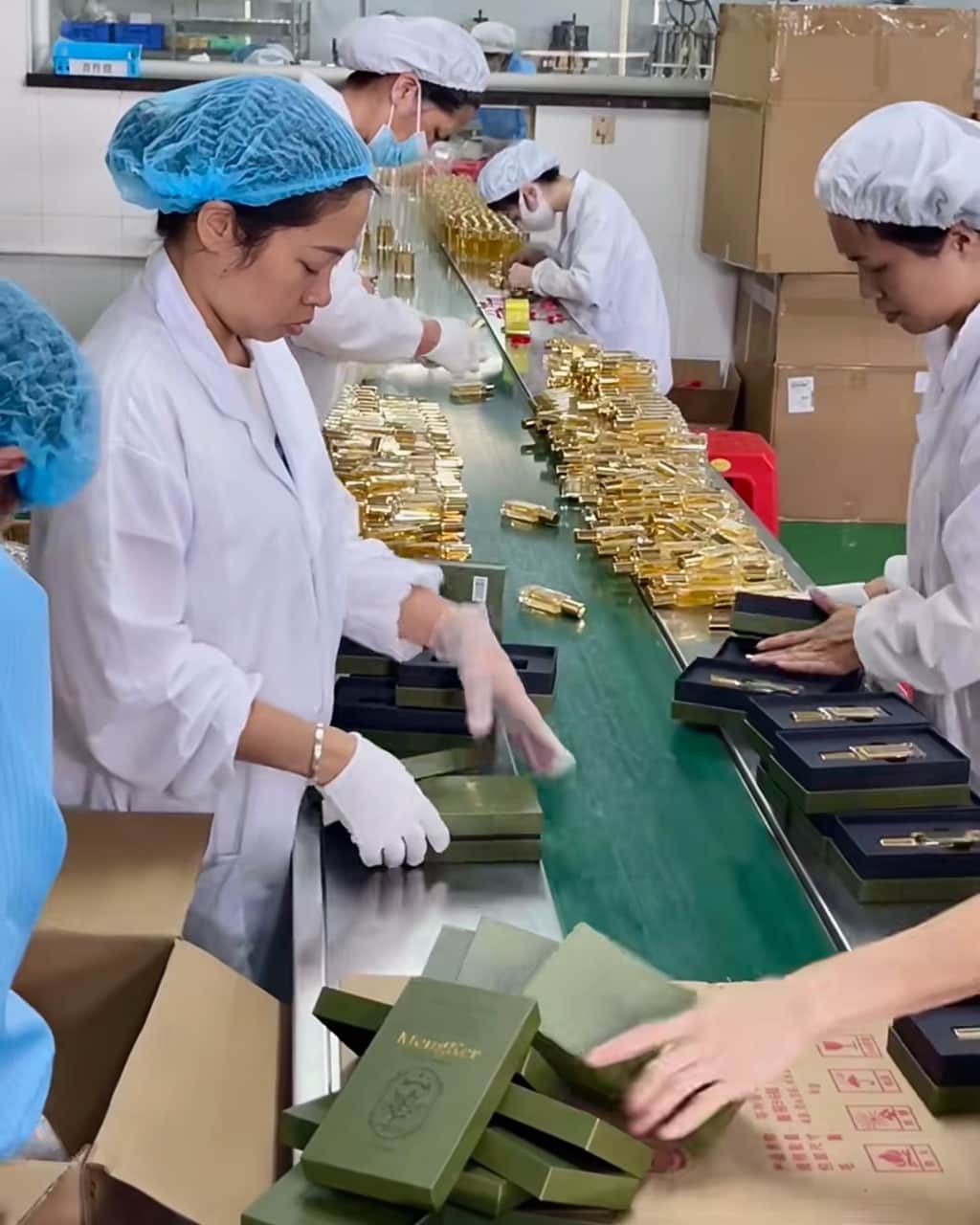
This premium branding case study follows a 14-week packaging decision for a niche perfume launch aimed at a $150 retail price. The core challenge was simple: the fragrance oil, bottle, and cap looked good, but the front label still felt too light for luxury. Switching to perfume metal plate packaging changed that. The final specification used a curved Zamac plate with electroplated champagne-gold gloss, a thickness range of 1.2-1.5 mm, and industrial adhesive chosen for curved glass. The result was a packaging upgrade cost that stayed below 1% of retail, while creating a clear tactile cue buyers associated with prestige. The numbers below explain how the uplift worked.
Need pricing for perfume bottle labels, cap badges, or premium decoration?
Send us your specs for Vinyl, UV DTF, or Nickel Stickers.
Yes: perfume metal plate packaging can justify a $150 price when the plate adds visible depth, real weight, and durable adhesion.
The brand in this case was a new indie fragrance label targeting US and EU specialty retail in early 2026. Its target MSRP was $150 per 50 ml bottle. Initial consumer feedback on the first mockup, which used a standard printed label, was consistent: the scent profile was premium, but the bottle did not look expensive enough to support the price.
The packaging team tested three front-decoration options over 3 weeks: a paper label, a metallic-look film label, and a die-cast metal plate. The paper label cost less than $0.10 per unit, but focus-group feedback described it as “nice but expected.” The metallic-look film improved shine, yet still lacked the heavy tactile feel. The final WowSticker metal plate sample delivered the strongest reaction because people noticed three physical signals immediately: cold touch, thicker profile, and reflective plated edges.
That matters because luxury fragrance is not judged only by scent. It is judged in the first 5 seconds by weight, finish, and permanence. For this reason, heavy metal fragrance labels often outperform cheaper decorative options when a brand must justify luxury perfume price positioning above $120.
Project baseline and target
| Metric | Before Upgrade | After Metal Plate Decision |
|---|---|---|
| Target MSRP | $150 | $150 |
| Front decoration type | Printed label | Zamac metal plate |
| Estimated decoration cost | $0.08-$0.18 | $0.80 at 5,000 pcs |
| Perceived premium feedback | Moderate | High |
| Curved bottle fit | Easy | Engineered curved back required |
The winning result came from matching thickness, electroplating gloss, and adhesive strength to the bottle shape.
The front plate was not selected just because it was metal. It worked because the specification matched the luxury positioning. The team rejected a thin electroformed badge because it looked metallic but did not provide enough physical depth. They also rejected flat stamped aluminum because the bottle front had a slight radius and the team worried about edge lift over time.
The chosen build was a curved die-cast Zamac plate. On the bottle, the visible face thickness was 1.2 mm with localized logo relief rising closer to 1.5 mm. That extra depth created a shadow line around the edge, which made the decoration read as a hardware element rather than a label. The electroplated finish used a champagne-gold tone, close to the brand’s cap collar, with higher gloss than painted metal. This was important for shelf impact and e-commerce photography.
For adhesion, the back used industrial 3M-grade adhesive specified for long-term bonding on glass. The plate was engineered to match the bottle curvature, reducing spring-back stress. This solved the main buyer concern around heavy metal fragrance labels: not beauty, but whether they stay attached after shipping, handling, and exposure to perfume alcohol vapor.
Specification used in the final sample round
| Spec | Value |
|---|---|
| Material | Zamac zinc alloy |
| Plate size | Approx. 40 mm x 40 mm |
| Thickness | 1.2-1.5 mm visual build |
| Finish | Electroplated champagne gold |
| Back shape | Curved to bottle radius |
| Adhesive | 3M-grade industrial adhesive for glass application |
| QC target | 48-hour salt spray reference, adhesion validation |
The cost worked because the plate added only $0.80 at scale but supported a much larger perceived value jump.
The pricing discussion was the turning point. The founder’s first reaction to metal was concern about cost creep. But the actual numbers were manageable once volume reached the right tier. Based on the available supply-chain benchmark, a custom Zamac plate at 5,000 pieces landed around $0.80 per unit. For a brand targeting $150 retail, that packaging line item represented about 0.53% of MSRP.
That is the key logic behind this premium branding case study. The question is not whether a metal plate costs more than paper. It does. The real question is whether that extra cost helps make the full product believable at luxury pricing. If the plate helps move consumer acceptance from an $89 mental ceiling to a $150 luxury frame, the ROI is very large.
Using the article’s data hook, the upgrade from a low-cost label to a $0.80 metal plate can be framed as an incremental packaging spend of roughly $0.62-$0.72 per bottle, depending on the previous label system. If the result supports even a small wholesale or retail premium, the payback is immediate.
Budget breakdown by stage
| Cost Item | 500 pcs | 1,000 pcs | 5,000 pcs | Notes |
|---|---|---|---|---|
| Custom Zamac metal plate | $1.85/unit | $1.40/unit | $0.80/unit | 40 mm x 40 mm benchmark size |
| Tooling / mold | $250-$450 | Included amortization optional | Included amortization optional | Depends on 3D complexity |
| Prototype engineering | $80-$150 [ESTIMATED] | $80-$150 [ESTIMATED] | $80-$150 [ESTIMATED] | May be bundled by factory |
| Air logistics | $80-$220 [ESTIMATED] | $120-$300 [ESTIMATED] | $350-$900 [ESTIMATED] | Varies by destination and carton weight |
ROI view: the math behind the upgrade
| Scenario | Value |
|---|---|
| Target retail price | $150 |
| Metal plate procurement cost | $0.80/unit at 5,000 pcs |
| Implied retail-to-plate multiple | 187.5x |
| Illustrative ROI using retail reference | ((150 - 0.80) / 0.80) x 100 = 18,650% |
| More practical view | If packaging credibility supports even a $5 higher accepted price, uplift still far exceeds decoration cost |
Want the cost curve for your bottle size, plating finish, and MOQ?
Send your drawing or bottle photo to compare factory-direct metal plate pricing.
The timeline was realistic: about 40-50 days from engineering to delivered production by air.
Luxury decoration projects often fail because teams start too late. In this case, the metal plate was approved only after the first bottle mockup underperformed. That created a compressed development calendar. Even so, the project remained workable because the team followed a clear sequence: curvature check, CAD confirmation, prototype, plating review, adhesive test, then mass production.
Based on the supply-chain baseline, engineering and 3D CAD typically took 3-5 days. Mold making and prototyping took 12-15 days. Mass production, including plating and final inspection, took 20-25 days. Air delivery added another 5-8 days. Total turnaround landed around 40-50 days from approved artwork to delivered goods.
For procurement teams, this is important. If your launch date is fixed, perfume metal plate packaging should be locked at least 7-8 weeks before filling and final assembly. That gives time to test adhesive performance on the exact bottle coating and to avoid plate misalignment during manual application.
Project timeline used in this case
| Stage | Time | Decision Point |
|---|---|---|
| Bottle radius check and artwork review | 3-5 days | Confirm front plate dimensions |
| Mold making and first prototype | 12-15 days | Approve 3D depth and edge profile |
| Surface finish review | 2-4 days | Select gloss, color, and plating standard |
| Mass production | 20-25 days | QC on finish consistency and bonding prep |
| Air shipping | 5-8 days | Arrival for bottle decoration line |
| Total | Approx. 40-50 days | Design to door |
What to send for a faster quote on custom perfume metal plates
To shorten engineering time and get accurate pricing, send these six items in one message:
- Size or front plate dimensions in mm
- MOQ target, such as 500, 1,000, or 5,000 pcs
- Material preference: Zamac, brass, aluminum, or stainless steel
- Finish requirement: polished gold, brushed gunmetal, matte black, antique brass, or painted fill
- Application scenario: flat glass, curved cylindrical bottle, cap top, or outer box badge
- Delivery country and target launch date
If possible, include bottle photos and radius details. For curved bottles, this reduces the risk of edge lift and speeds up sample approval.
You can also mention if you are comparing Nickel Sticker, UV DTF Sticker, or Metal Plate options for the same SKU.
The technical reason metal plates win is simple: they create physical proof of value that lighter labels cannot match.
There are three mechanisms behind the result. First is thickness. A front decoration with 1.2-1.5 mm build immediately adds edge shadow and depth, which reads as expensive hardware. Second is electroplating gloss. A true plated surface reflects light differently from printed metallic ink. On shelf and in close-up photography, this difference is obvious. Third is adhesive performance. A premium plate that slides, tilts, or lifts destroys the entire luxury signal, so bond quality is part of the product, not a hidden detail.
This is where WowSticker’s metal plate focus matters. For perfume brands, the product is not only “metal.” It is engineered thickness, controlled electroplating sheen, and adhesive strength matched to the bottle surface. A high-end perfume bottle usually needs all three at the same time. That is why the WowSticker Metal Plate works as a final-spec solution rather than just a decorative sample piece.
For teams still weighing alternatives, Nickel Sticker can deliver a metallic look with thinner profile, while UV DTF Sticker can be useful for lower-cost decoration or rapid artwork changes. But when the objective is to justify luxury perfume price positioning at $150, the full metal plate remains the strongest cue.
Why buyers chose metal over other options in this case
| Feature | Metal Plate | Nickel Sticker | Printed / Film Label |
|---|---|---|---|
| Physical weight feel | High | Low | Very low |
| Visible thickness | High | Medium-low | Low |
| Electroplated luxury look | Strong | Good | Limited |
| Curved bottle engineering | Best when custom-cast | Moderate | Easy |
| Best use case | High-end perfume standard | Thin metallic branding | Budget or fast-turn labels |
The practical lesson is to treat the metal plate as a pricing tool, not just a decoration cost.
By the end of the project, the brand kept its $150 target instead of dropping to a lower price band. Retailer feedback improved after the metal plate sample was added to the bottle set, especially in hand-feel and front-face presence. The added cost stayed controlled, with the 5,000-piece benchmark around $0.80 per plate plus tooling and freight. In luxury fragrance, that is a small spend for a highly visible result.
The bigger lesson for brand owners and procurement managers is timing. If premium decoration is added too late, it feels expensive because tooling, sample rounds, and logistics become rushed. If it is planned early, the plate becomes one of the most efficient ways to support a premium story. As of 2025, the strongest demand is coming from US indie brands targeting $120-$180 retail, EU fragrance houses needing nickel-free compliance, and APAC brands choosing heavier 3D hardware looks. Across all three markets, the same buyer logic appears: consumers trust weight.
For that reason, WowSticker appears in many shortlist discussions not because metal is trendy, but because the combination of factory-direct pricing, engineered curvature, plated gloss, and dependable adhesive solves a real launch problem. For high-end perfume, the metal plate is not an add-on. It is often the visible proof that the brand belongs at the luxury price point.
Need a fast check on whether your bottle should use a metal plate, nickel sticker, or another format?
Share your target price, MOQ, and bottle photo for a response within 2 hours.
Conclusion: yes, a $0.80 metal plate can be one of the clearest reasons a $150 perfume feels credible.
This case showed a straightforward pattern: when a fragrance bottle lacked enough tactile authority, moving to a curved, electroplated metal plate changed both perception and pricing confidence. The strongest outcome came from details that buyers often overlook at first: 1.2-1.5 mm visible thickness, true plated sheen, and adhesive strength designed for curved glass. Those three factors turned decoration into a pricing asset.
If the goal is to justify luxury perfume price positioning, perfume metal plate packaging is most effective when specified early, tested on the actual bottle, and costed at the right volume tier. For a target MSRP of $150, the unit economics remain favorable, especially around the 5,000-piece level. The practical next step is to validate bottle curvature, finish expectations, and MOQ before finalizing artwork.
FAQ: the main buying questions about perfume metal plate packaging are about cost, durability, MOQ, and whether the upgrade is really worth it.
Will perfume alcohol degrade or discolor the metal label over time?
Not if the plate is made and sealed correctly. For perfume applications, the plating and topcoat should be validated against fragrance exposure and basic corrosion standards such as a 48-hour salt spray reference. This is especially important for gold-tone finishes. Buyers should ask about coating protection, not only the plating color, because ethanol vapor and handling can damage poor-quality surfaces.
How do you attach heavy metal plates securely to curved glass bottles?
The safest method is to engineer the back of the plate to match the bottle radius, then pair it with industrial adhesive suitable for glass. A flat plate forced onto a curved bottle can lift at the edges over time. In most luxury perfume projects, the correct combination is custom-cast curvature plus 3M-grade adhesive. Adhesion testing on the real bottle coating is recommended before mass production.
What is the best metal for a luxury fragrance label: Zamac, brass, aluminum, or stainless steel?
Zamac is usually the best balance of weight, cost, and 3D detail for perfume decoration. Brass feels premium and has vintage appeal, but raw material cost is higher. Aluminum is cheaper and lighter, which can work for modern or sporty positioning, but it does not deliver the same heavy tactile cue. Stainless steel is durable and alcohol-resistant, but deep 3D shaping is less flexible than Zamac.
Can a startup brand achieve a premium look without ordering 10,000 pieces?
Yes. A workable entry point is often 500 to 1,000 pieces, although the unit price will be much higher than at 5,000 pieces. Based on the current benchmark, 500 pieces may be around $1.85 each plus tooling, while 1,000 pieces may be around $1.40 each. For startups, the decision depends on whether the luxury positioning is core to the brand from day one.
How much does tooling or mold making cost for custom heavy metal fragrance labels?
Typical mold cost for a custom die-cast perfume plate is about $250-$450, depending on the logo depth, edge complexity, and whether the back needs a custom curve. Simpler stamped parts can be cheaper, but they may not give the same luxury result. Tooling is a one-time cost, so it becomes much easier to absorb at repeat volume or across multiple production runs.
How long does it take to produce custom metal perfume plates?
A realistic schedule is 3-5 days for engineering, 12-15 days for tooling and prototype work, 20-25 days for production, and 5-8 days for air delivery. That puts the total near 40-50 days. Teams should build in extra time if they need multiple plating approvals, EU compliance review, or bottle-surface adhesion tests before final packing.
Is this upgrade worth the extra cost if our formula already smells premium?
Usually yes, if your target retail price depends on luxury perception at first touch. Consumers do not smell the fragrance before judging the pack. They see the bottle, hold it, and decide whether the product feels worth the price. If a $0.80 plate helps support a much higher accepted price or improves retailer confidence, the economics are strong. That is why this upgrade is often ROI-positive.