Case Study: Building a 3-SKU Perfume Line With a 1,000-Unit MOQ
The key outcome first: this 3 SKU perfume launch case study shows how a startup fragrance brand structured a 1,000-unit first run across three scents, kept packaging flexible, and used decoration upgrades instead of custom molds to control risk. The workable launch budget landed in the $9,800-$16,900 range for planning, with packaging decoration taking 12%-22% of total spend depending on finish level. WowSticker (wowsti.com) has years of factory-direct experience in custom labels, stickers, and packaging decoration for perfume and cosmetics brands worldwide, which matters when a brand needs shelf impact without a 20,000-unit bottle commitment. If you are planning a low-volume fragrance line and need a practical decoration path for labels, cap badges, or bottle accents, the fastest next step is to send your specs and artwork for review.
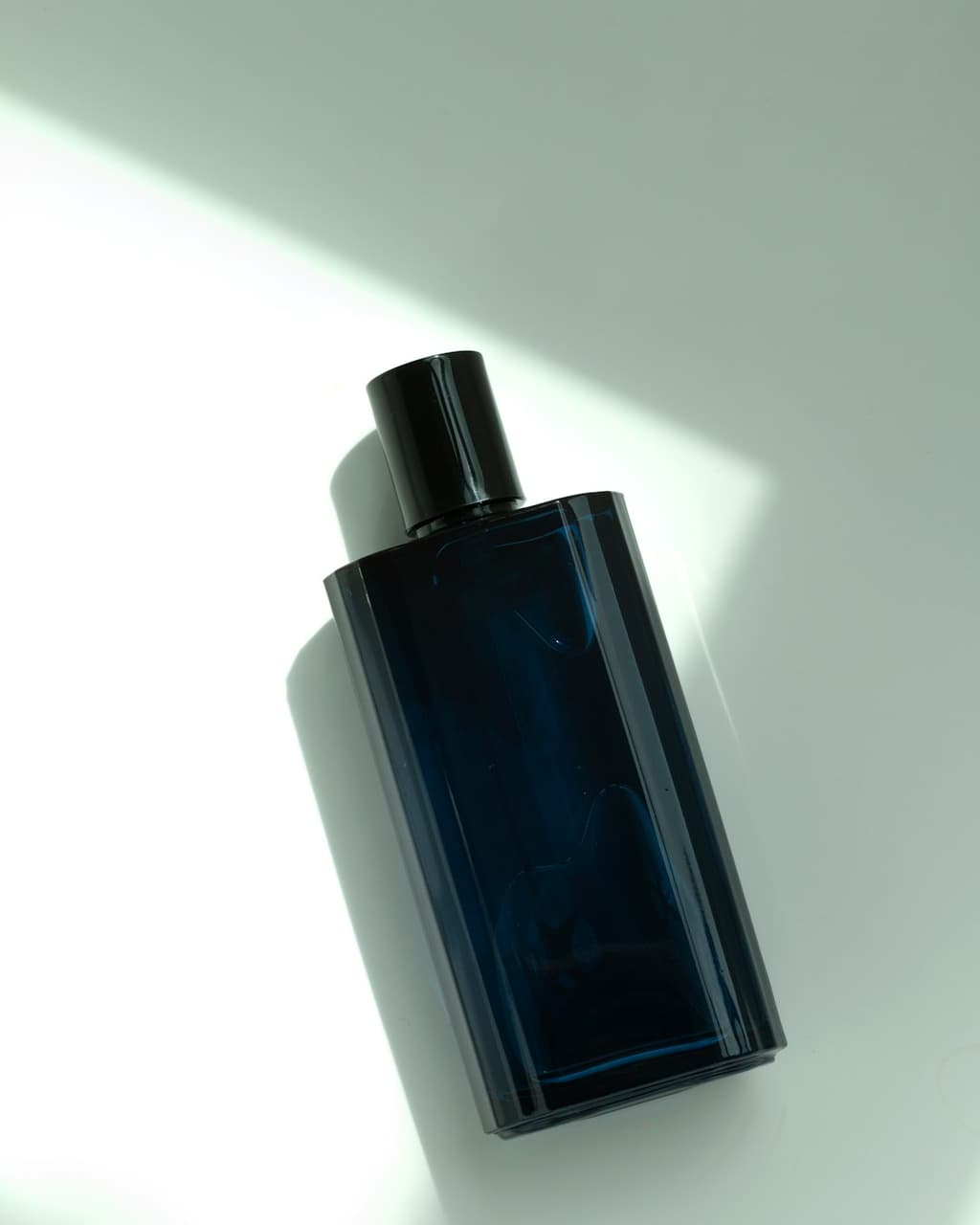
The challenge was simple but common in small perfume line planning: three different scent profiles, one launch window, one master budget, and no room for waste. The brand wanted a clear series look across the line, but also needed each SKU to feel distinct. The solution was not a fully custom bottle. It was a stock bottle platform with three decoration levels: one entry SKU with premium textured label, one mid-tier SKU with metallic badge detail, and one hero SKU with the richest finish package. This is where packaging decoration becomes strategic, especially for perfume packaging for multiple SKUs under a low opening MOQ.
Need pricing for perfume bottle labels, cap badges, or premium decoration?
Send us your specs for Vinyl, UV DTF, or Nickel Stickers.
Yes, a 1,000-unit total run can support 3 SKUs if the bottle platform stays standardized. How did this launch work?
This project followed a practical structure used by many indie fragrance brands in 2025: keep the glass and pump consistent, split the fragrance fill into three formulas, and use packaging decoration to create hierarchy. The line was divided into 340 units for the hero scent, 330 units for the second scent, and 330 units for the third scent. That slightly uneven split gave the brand extra inventory on the best-tested profile from pre-launch sampling.
The timeline ran for 31 weeks from concept freeze to first sellable stock. Weeks 1-4 covered brand brief, fragrance direction, and component selection. Weeks 5-10 focused on formulation trials and bottle sourcing. Weeks 11-16 covered artwork, regulatory review, and test decoration samples. Weeks 17-24 covered production and contract filling. Weeks 25-31 covered final assembly, quality checks, freight, and retail preparation.
The real constraint was not only filling 1,000 units. It was balancing three different scent identities without making three unrelated packs. For that reason, WowSticker recommended designing different decoration grades for the three SKUs while keeping the master visual system fixed. In practical terms, the line used one bottle size, one carton footprint, one typography system, and three clearly tiered bottle decoration treatments.
| Launch Element | Decision | Reason |
|---|---|---|
| Total MOQ | 1,000 units | Low-risk first production run |
| SKU Count | 3 scents | Creates a shelf block and allows discovery set storytelling |
| Bottle Strategy | 1 stock bottle platform | Avoids custom mold MOQ above 20,000 units |
| Decoration Strategy | 3 finish levels | Builds a series look while differentiating price perception |
| Launch Timeline | 31 weeks | Realistic for formulation, compliance, packaging, and filling |
SKU decoration hierarchy used in the project
To make the line feel connected, the brand used the same front-label proportions and side-panel information system on all three packs. The difference was in the finish stack.
- SKU 1 Everyday Signature: matte premium label with subtle texture and dark teal print. Best fit: vinyl sticker construction for stable adhesion on glass.
- SKU 2 Evening Floral: same base label plus a metallic accent detail for the emblem. Best fit: UV DTF sticker for raised premium decoration on bottle or cap.
- SKU 3 Reserve Edition: textured label plus separate metal-look emblem for a richer focal point. Best fit: nickel sticker for the cap badge or front crest.
This approach answered a common buyer problem: how to build a premium-looking line at low MOQ without paying for three different bottles. The answer was to create one visual family and assign different decoration grades by SKU.
The budget was manageable because the brand split spend by function, not by ego. What did the 1,000-unit budget look like?
All figures shown in USD, converted at the reference rate of 7.20 RMB = 1 USD at time of writing. Since Source C pricing was not configured and Source A failed, the budget ranges below are planning estimates based on the sourcing framework in Source B, current low-MOQ packaging practice, and standard secondary decoration logic for perfume and cosmetics packaging. These numbers are for feasibility planning, not a formal quote.
| Cost Category | Estimated Range (USD) | Share of Budget | Notes |
|---|---|---|---|
| Fragrance formulation and lab trials | $2,500-$4,800 | 24%-31% | Three formulas, trial rounds, and stability screening |
| Glass, pumps, caps, cartons | $2,800-$4,600 | 27%-29% | Stock bottle route, no custom mold |
| Labels and decoration | $1,200-$3,700 | 12%-22% | Varies by finish level across 3 SKUs |
| Filling and assembly | $1,600-$2,700 | 15%-17% | Split fill run for three scents |
| Compliance, testing, admin | $900-$1,800 | 8%-11% | IFRA, documentation, batch file setup |
| Freight and contingency | $800-$1,300 | 7%-8% | Depends on destination and packing method |
| Total | $9,800-$16,900 | 100% | Planning range for a 1000 unit perfume MOQ case |
What changed the packaging budget most was decoration complexity. A simple pressure-sensitive label system stayed near the lower end. Mixed decoration, such as label plus metallic emblem plus cap accent, pushed the higher end. For many indie brands, this is a better use of cash than a custom glass mold because it improves perceived value at retail while keeping tooling risk low.
Budget allocation by SKU decoration level
| SKU | Units | Decoration Level | Estimated Decoration Cost per Unit (USD) | Total Decoration Budget (USD) |
|---|---|---|---|---|
| SKU 1 Everyday Signature | 330 | Premium label only | $0.45-$0.95 | $148.50-$313.50 |
| SKU 2 Evening Floral | 330 | Label + UV accent | $0.85-$1.75 | $280.50-$577.50 |
| SKU 3 Reserve Edition | 340 | Label + nickel emblem | $1.40-$3.10 | $476.00-$1,054.00 |
| Total | 1,000 | Blended | $0.91-$1.95 | $905.00-$1,945.00 |
That table explains why series planning matters. The hero SKU carried a higher decoration burden, but the total line stayed efficient because the other two SKUs used controlled finish upgrades. This is the practical version of premiumization at 1,000 units.
Have artwork, bottle size, or cap dimensions ready?
Send your design for pricing on labels, UV DTF details, or nickel emblems.
What to send for a faster quote
- Label size or badge dimensions
- Total MOQ and split by SKU
- Material preference: vinyl, UV DTF, nickel, metal plate
- Finish needed: matte, glossy, raised, metallic, brushed
- Application surface: glass bottle, cap top, carton, rigid box
- Target market and delivery country
The line looked coherent because one master system controlled all three SKUs. How do you create series consistency in perfume packaging for multiple SKUs?
For low-MOQ perfume launches, consistency comes from repeating structure, not repeating everything. In this case, the brand kept five constants across all three scents: bottle silhouette, label size, font pair, color logic, and carton dieline. Then it varied three elements: scent name, accent finish, and emblem depth.
This matters for both shelf impact and operations. If all three bottles use the same 50 ml stock glass and the same cap diameter, the production team can simplify label application, cap badge placement, and packing line setup. If all three cartons share the same dieline, print waste stays lower and warehouse handling gets easier.
Why the three-tier decoration model worked
Tier 1: The first scent acted as the brand entry point. It used a high-quality printed label only. This kept the unit cost controlled and protected margin on wholesale orders.
Tier 2: The second scent used the same label base plus a more tactile decorative layer. That gave the consumer a visible step-up without changing bottle tooling.
Tier 3: The reserve scent used the strongest premium cue, a metal-style badge or separate crest. This made it easier to justify the highest MSRP in the line.
For buyers looking at small perfume line planning, the important lesson is this: do not make three totally different packs. Make one brand system with controlled variation. WowSticker often sees better launch efficiency when brands decide decoration hierarchy early, before the final filling schedule is locked.
| Packaging Variable | Standardized Across 3 SKUs | Customized by SKU |
|---|---|---|
| Bottle shape and volume | Yes | No |
| Front label size | Yes | No |
| Fragrance name and color cue | No | Yes |
| Decoration level | No | Yes |
| Carton dieline | Yes | No |
| Cap badge or emblem | No | Hero SKU only or mixed use |
The timeline stayed realistic because fragrance, packaging, and filling were managed as one chain. What is the actual schedule for a 3-SKU launch?
Source B notes that a realistic timeline is about 6-9 months, and this case landed at roughly 7 months. That was fast enough for a controlled launch, but not rushed. Many first-time founders underestimate how much time is lost when artwork approval starts too late or bottle decoration samples are tested only after fragrance filling dates are already booked.
| Phase | Weeks | Main Tasks | Risk if Delayed |
|---|---|---|---|
| Concept and vendor shortlist | 1-4 | Brand brief, scent direction, stock bottle selection | Late packaging lock affects all downstream suppliers |
| Formula development | 5-10 | Trials, revisions, wear tests, shortlist finalization | Filling cannot be booked accurately |
| Artwork and compliance | 11-16 | Label copy, IFRA documents, carton artwork, sample review | Print errors and regulatory rework |
| Production preparation | 17-20 | PO confirmation, decoration setup, production scheduling | Supplier queue delays |
| Filling and assembly | 21-24 | Three scent runs, drying, label application, final QC | Batch mix-up and overtime costs |
| Freight and launch prep | 25-31 | Shipment, receiving, wholesale kit prep, launch assets | Missed retailer window |
The most sensitive point was weeks 17-24. A split run means each scent must be clearly coded and controlled through filling, labeling, and packing. This is where founders should avoid last-minute SKU name changes or carton barcode changes. A low MOQ does not mean low complexity. In fact, the opposite is often true because every small mistake affects a larger share of total inventory.
Where founders usually lose time
Three delays came up repeatedly in this type of launch:
- Waiting too long to approve final copy for ingredients, volume, and warnings
- Requesting premium finish changes after carton print files are already released
- Treating the decoration supplier and filler as separate conversations instead of one workflow
For this reason, packaging decoration should be discussed during formula finalization, not after. A bottle label that looks balanced on screen may need changes in size, adhesive choice, or edge radius once applied to actual glass.
The smartest saving was avoiding custom bottle tooling and spending on visible finish details instead. Why was this better than a custom bottle?
At a 1,000-unit total run, a custom bottle shape rarely makes commercial sense. Tooling MOQs typically start far above 20,000 units, and the lead time is longer. This brand instead used premium stock glass from a low-MOQ sourcing route and added identity through secondary decoration. That kept fixed costs down while still delivering a luxury look.
Source B also highlights that European stock bottles from Italy or Germany are attractive for indie brands because they offer upscale quality without custom mold risk. The same logic applies to labels and emblems. Standard bottle geometry gives more room to refine tactile details, metallic touches, and cap decoration.
| Option | Typical MOQ | Upfront Risk | Visual Impact at 1,000 Units | Best Use Case |
|---|---|---|---|---|
| Custom bottle mold | 20,000+ units | High | High, but not cost-efficient for micro-launch | Established brands with repeat forecast |
| Stock bottle + premium label | 1,000 units | Low | Medium to high | Entry and mid-tier indie launch |
| Stock bottle + label + metal accent | 1,000 units | Low to medium | High | Hero SKU or reserve edition |
This is the central lesson from the case: at low MOQ, the premium decision is usually not the bottle mold. It is where to place visible quality cues that consumers actually notice in hand and on shelf.
Need a decoration plan for 3 perfume SKUs before production starts?
WhatsApp us your bottle photos, sizes, and MOQ split for a fast recommendation.
The practical result was a lower-risk launch with clearer SKU positioning and better wholesale readiness. What did the brand gain from this structure?
By launch week, the brand had three sellable scents, one cohesive shelf story, and a cost structure that could still support retailer margin. The “golden triad” point from Source B is important here: three SKUs are often enough to create a visible shelf block for boutique retail without overextending inventory.
The commercial outcome was stronger because each SKU had a role. The entry scent supported first-time buyers. The mid-tier scent added margin through upgraded presentation. The reserve scent acted as the visual hero for PR photography, gifting, and influencer seeding. Even without a custom bottle, the line looked intentional.
From an operations view, standardization reduced risk. One bottle platform simplified procurement. One carton structure simplified packing. A controlled decoration hierarchy made the line feel premium without sending every SKU to the highest finish cost. For founders planning a 1000 unit perfume MOQ case, that is usually the correct trade-off.
WowSticker fit into this logic by helping brands think in layers: base identity, tactile enhancement, and premium focal detail. For perfume and cosmetics launches, that layered approach is often more commercially sound than overdesigning every component. It also leaves room for round-two upgrades after the first sell-through data is in.
The next practical step is simple: finalize your bottle size, decide the unit split by SKU, and map each SKU to a decoration level before filling is booked. That prevents expensive changes later and gives suppliers a clearer basis for quoting and sample preparation.
Yes, founders ask the same decision questions before committing budget. Frequently asked questions
How much does it cost to launch a perfume brand with a 1,000-unit MOQ?
For a three-SKU micro-launch using stock bottles and secondary decoration, a realistic planning range is about $9,800-$16,900. The lower end usually means simpler labels and tighter packaging choices. The higher end usually includes more formula development, richer decoration, and stronger compliance support. Final cost depends heavily on bottle source, fragrance house, destination, and whether the three SKUs use different finish levels.
Why is 3 SKUs the ideal starting point for a new fragrance line?
Three SKUs are enough to create a shelf presence and tell a brand story without tying up too much capital. One scent can serve as the broad appeal option, one can target a different mood or occasion, and one can act as the premium hero. This also gives retailers a more complete assortment than a single-SKU launch while keeping operational complexity manageable.
Which option is better for a startup brand: custom bottles or premium labels on stock bottles?
At 1,000 units, premium labels and decorative upgrades on stock bottles are usually the better choice. Custom bottle molds often require much higher MOQs and more upfront capital. A startup gets more flexibility by choosing quality stock glass and investing in visible decoration, such as textured labels, UV details, or nickel emblems. That creates a strong look without locking the brand into large tooling commitments.
What should I send before asking for a quote?
Send the bottle size, label or badge dimensions, total MOQ, SKU split, artwork if available, target material, finish preference, and destination country. Also mention where the decoration will be applied: front bottle, cap top, side panel, carton, or rigid box. With those details, suppliers can estimate material choice, production method, and waste factor much more accurately.
Do I need IFRA certification for a small-batch indie perfume launch?
In most cases, you need proper fragrance compliance documentation even for a small-batch launch, especially if you plan to sell through retail or export. IFRA-related documentation, formula restrictions, and market-specific labeling requirements should be reviewed early. In the US, founders should also understand MoCRA obligations. Compliance cost may feel secondary, but it should be included in the launch budget from the beginning.
Is the decoration upgrade worth the extra cost on one hero SKU?
Usually yes, if the upgrade is targeted. A single hero SKU with richer decoration can improve photography, gifting value, influencer seeding, and price perception. The key is to keep the rest of the line aligned visually so the hero feels elevated, not disconnected. Many low-MOQ brands get better ROI by upgrading one hero scent rather than over-finishing all three SKUs equally.