8 Reasons Your Perfume Packaging Looks Generic on Instagram
If your perfume packaging looks generic on Instagram, the problem is usually not your camera first. It is often the bottle weight, label finish, metallic detail, and how each surface reacts to light on screen. For most indie perfume brands, a few physical packaging upgrades can make product photos look more premium without a large cost jump. WowSticker (wowsti.com) has years of factory-direct experience in custom labels, stickers, and packaging decoration for perfume and cosmetics brands worldwide, including upgrades that improve camera performance such as linerless-look decoration, metallic badges, and raised logo details that create stronger visual depth. If you already have a bottle, label size, or cap artwork, send the specs now to speed up sampling and compare practical options like Resin Sticker and Nickel Sticker.
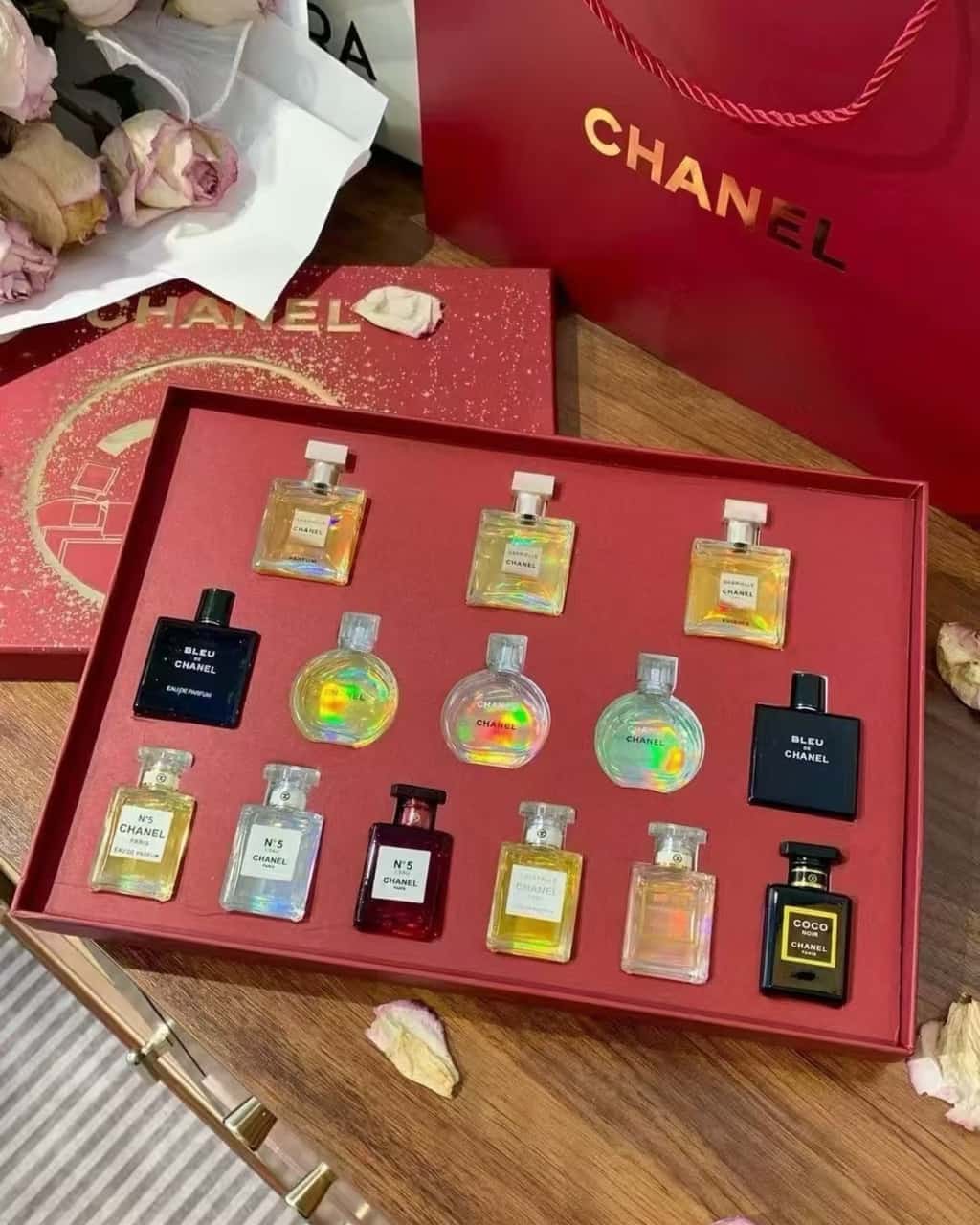
That matters because niche fragrance brands now depend on social media for more than 65% of customer acquisition in many growth-stage cases, while packaging design directly affects buying decisions for 72% of consumers. Flat labels, harsh glare, and light bottles reduce click-through and shorten dwell time because users scroll past products that do not show texture, contrast, or luxury cues. The good news: the gap between “generic” and “Instagram worthy perfume packaging” is often a manufacturing decision, not a full rebrand.
Need pricing for perfume bottle labels, cap badges, or premium decoration?
Send us your specs for Vinyl, UV DTF, Resin, or Nickel Stickers.
Why does perfume packaging look generic in product photos?
Because flat materials create flat images, and flat images get ignored faster. On Instagram, users do not touch your bottle. They judge it from highlights, shadows, edge definition, and surface contrast in under 2 seconds. If your bottle uses standard clear glass, a basic glossy paper label, and no metallic or raised feature, it often blends into the feed.
Factory data shows one of the clearest examples: moving from a standard glossy label at about $0.03 to a textured foil label at about $0.11 adds only $0.08 in material cost, yet can lift perceived retail value by roughly 300% in social visuals. This is why premium perfume label for social media decisions matter more than many founders expect.
The eight most common reasons are below, starting with the issues that damage photo performance first.
What 8 packaging mistakes make your perfume packaging look generic?
Most generic-looking perfume packs fail on light control, depth, and material hierarchy. If you want better social performance, audit these eight points before changing your photographer.
1. Why does your label glare under ring lights?
Because standard glossy stock reflects harsh hotspots. Basic glossy paper at about $0.02 to $0.03 per unit is cheap, but it often creates washed-out highlights on curved glass. Matte texture, soft-touch film, or selective shine gives cleaner contrast and makes logo areas readable on camera.
2. Why does your bottle look cheap even when the formula is premium?
Because lightweight glass reads as low value on screen. Increasing glass weight from 100g to 150g adds about $0.21, but it improves the “heavy luxury” signal in unboxing videos and can reduce return rates by up to 10%. Heavy-bottom glass also photographs with better edge lines.
3. Why does your brand mark disappear in photos?
Because printed logos alone often lack depth. This is where WowSticker adds practical value. A Nickel Sticker on the cap or shoulder creates a clean metallic edge that catches light without looking noisy. A Resin Sticker adds a raised 3D logo effect that improves close-up shots. For perfume brands, metal badges, raised logos, and linerless-look decoration make the bottle read better in reels and product stills.
4. Why does the pack feel one-dimensional?
Because you lack multidimensional light reflection. If everything is matte, or everything is shiny, the product lacks visual rhythm. Good camera-ready packaging mixes 2 to 3 surface behaviors: matte field, metallic accent, and raised focal point.
5. Why does your cap look like a stock component?
Because standard caps break premium continuity. A standard aluminum spray cap costs about $0.21 to $0.35, while a custom color or logo cap is about $0.42 to $0.63. That small difference can completely change the first frame of a product shot.
6. Why does your outer box not help your feed?
Because unboxing is part of Instagram performance. Kraft boxes at $0.28 to $0.42 protect the product, but rigid magnetic boxes at $0.76 to $1.11 create better opening sequences and stronger luxury cues in reels.
7. Why do your colors look dull online?
Because print execution is not matched to camera reality. Designers often approve digital colors that print too muted on textured stock or too bright on reflective film. This is a common reason founders ask how to make perfume product photography better when the real fix is production sampling.
8. Why are you trying to fix a manufacturing issue with editing?
Because photography cannot fully create texture that is not physically there. Retouching can reduce glare, but it cannot convincingly simulate embossed depth, metal reflection, or a raised badge across multiple angles and video clips.
How much does it cost to upgrade generic perfume packaging?
The jump from generic to camera-ready packaging is often smaller than buyers assume. For many brands, the real cost advantage appears at 1,000 units, not 500 units. Source A shows that moving from 500 to 1,000 units cuts per-unit packaging cost by about 26%, which makes premium finishes more realistic.
All figures shown in USD, converted at the reference rate of 7.20 RMB = 1 USD at time of writing.
| Product | MOQ | Unit Price (USD) | Lead Time | Notes |
|---|---|---|---|---|
| Standard glossy label | 1,000 | $0.02 - $0.03 | 15 - 25 days | Lowest cost, highest glare risk |
| Premium textured or foil label | 1,000 | $0.08 - $0.17 | 15 - 25 days | Better tactile visual response |
| Standard aluminum cap | 1,000 | $0.21 - $0.35 | 15 - 25 days | Functional but common |
| Custom color/logo cap | 1,000 | $0.42 - $0.63 | 15 - 25 days | Improves brand recognition in close shots |
| Rigid magnetic box | 1,000 | $0.76 - $1.11 | 15 - 25 days | Better unboxing content value |
| Nickel Sticker or Resin Sticker accent | 1,000 | Quoted by spec | Sample 3 - 5 days | Best for cap badge, emblem, or raised logo |
| Feature | Typical Local Boutique Market | Factory-Direct China Context |
|---|---|---|
| Multi-process premium label | $1.50 - $3.50+ per unit | Often far lower at scale, depending on process mix |
| Setup fees | $300 - $800 | Plate fees often $42 - $70 per color for box printing |
| Sampling | Varies widely | $28 - $42 existing mold; $70 - $111 custom sample |
Want to compare label finishes, 3D logos, and metallic badges by budget?
Send your bottle size, target MOQ, and finish ideas for a faster quote review.
How should you brief a supplier for faster sampling and better Instagram results?
A clear inquiry reduces mistakes, shortens sampling, and improves camera-ready output. Sample production is usually 3 to 5 days, with mass production at 15 to 25 days after approval. In Q3 and Q4, add 7 to 10 days. If you only say “make it luxury,” you will likely lose time and money.
Inquiry Template for Perfume Packaging Quote
Send these 6 items:
- Size / dimensions of bottle, cap, and label area
- MOQ target: 500, 1,000, or 5,000+
- Material preference: paper, film, metal badge, resin dome
- Finish / surface treatment: matte, foil, embossed, spot gloss, raised logo
- Application scenario: bottle front, cap top, shoulder badge, outer box
- Delivery country and deadline
Also include 2 to 3 reference photos and tell the supplier whether the product is meant mainly for shelf retail, unboxing videos, or close-up social ads.
What is the practical next step if your packaging already looks flat online?
Start with one visible upgrade, not a full packaging rebuild. The fastest fix is usually a label and emblem upgrade: reduce glare, add one metallic focal point, and create one raised detail for light pickup. For example, keep your existing bottle, then test a soft matte label plus a Nickel Sticker on the cap, or a Resin Sticker as a centered 3D logo. This approach controls risk while improving shot performance quickly.
For perfume and cosmetics buyers, WowSticker is most useful when the goal is not just printing a logo but improving how the package behaves on camera. That is the gap many general printers miss.
Generic packaging can hurt click-through and dwell time on social ads.
Share your current bottle photos and get practical advice on which upgrade will show best on camera.
FAQ: What do buyers ask before upgrading perfume packaging?
Why does my perfume label glare or look washed out under ring lights?
Glossy label stock reflects direct light in a hard, uncontrolled way, especially on curved glass bottles. That makes text harder to read and reduces contrast in phone-screen viewing. Matte texture, soft-touch film, or selective gloss usually performs better because it gives cleaner highlight control while keeping the logo visible.
What are the best label finishes for Instagram and TikTok product photography?
For most perfume products, the safest combination is a matte or textured base with one controlled highlight feature, such as foil, spot gloss, or a metallic badge. If you need stronger depth, a resin dome or raised logo can improve close-up shots and short-form video. The right mix depends on your bottle curvature and lighting style.
Which option is better for a startup brand: premium labels or a custom bottle?
Usually premium labels first. A custom bottle mold can cost about $1,111 to $2,083, which is a large one-time investment. Upgrading the label, cap detail, or adding a Nickel Sticker often creates a stronger visual improvement for much less cash. For early-stage brands, this is usually the better return.
What should I send before asking for a quote?
Send bottle size, usable label area, target MOQ, finish preference, application position, and destination country. Also send artwork files or at least reference images. If your main goal is social media performance, say that clearly so the supplier can recommend materials that reduce glare and add visual depth.
Is this upgrade worth the extra cost?
In many cases, yes. Source A shows that a premium label upgrade can add only about $0.08 in material cost while creating a major difference in perceived value online. If your brand depends on Instagram ads, reels, creator seeding, or DTC visuals, a better-photographing package often pays back faster than another round of editing.