7 Reasons Your Perfume Liquid Turns Yellow (and How to Prevent It)
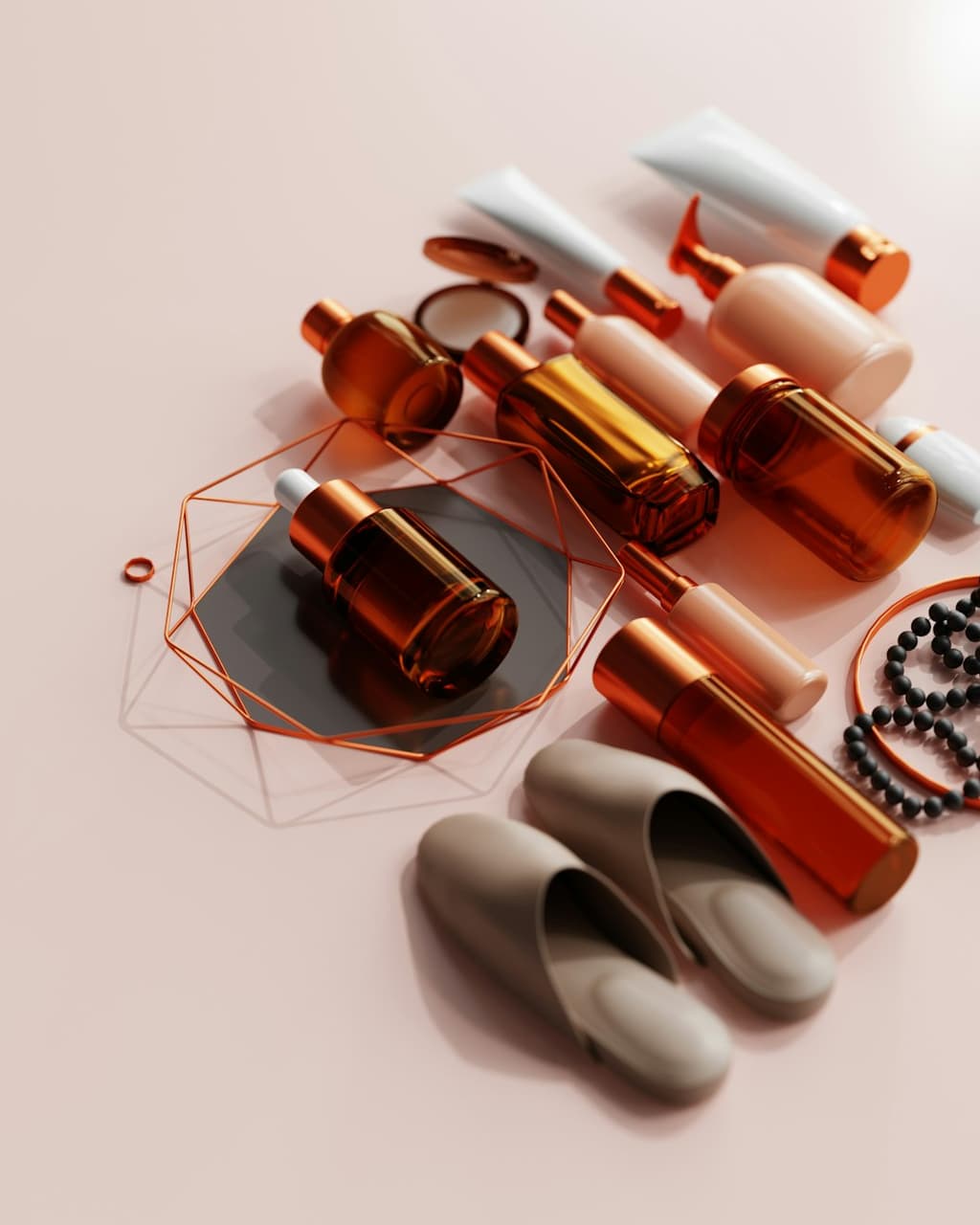
Perfume liquid turning yellow is often normal, and in many cases it does not mean the fragrance is unsafe or completely spoiled. Most bottles change color because of light, heat, oxygen, and naturally reactive ingredients such as vanillin, jasmine materials, citrus oils, and amber notes. For expensive fragrances, the bigger issue is not only formula chemistry but also how the bottle is stored and how much light reaches the juice over 6, 12, or 24 months. WowSticker (wowsti.com) has years of factory-direct experience in custom labels, stickers, and packaging decoration for perfume and cosmetics brands worldwide, so bottle presentation and light protection are practical issues seen across premium fragrance packaging. If you need help improving bottle light-blocking without moving to costly coated glass, see packaging options like UV DTF Sticker and Vinyl Sticker for decorative coverage and branding protection.
Need pricing for perfume bottle labels, cap badges, or premium decoration?
Send us your specs for Vinyl, UV DTF, or Nickel Stickers.
A useful rule is this: if the perfume still smells balanced and does not turn sour, metallic, or sharply alcoholic, the color shift may be mostly aesthetic. But if the liquid darkens fast and the scent loses its top notes, the formula may be oxidizing beyond a harmless stage. Below are the 7 biggest triggers, the usual timeline for discoloration, and how to stop perfume from changing color as early as possible.
Perfume liquid turning yellow usually comes from seven main triggers: light, heat, oxygen, reactive aroma materials, natural extracts, storage habits, and bottle design.
These causes often work together rather than alone. A vanilla-heavy perfume displayed near a window at 77-86°F can darken much faster than the same formula stored in a cool drawer at 59-68°F. A half-empty bottle also yellows faster than a full bottle because more oxygen sits inside the headspace.
| Trigger | What It Does | Typical Time Node | Risk Level |
|---|---|---|---|
| Sunlight / UV | Breaks down sensitive aroma compounds and speeds oxidation | Weeks to 6 months | High |
| Heat | Accelerates chemical reactions inside the formula | 1 to 12 months | High |
| Oxygen exposure | Oxidizes oils, alcohol-soluble materials, and color bodies | After opening; faster after 20-30% use | High |
| Vanillin and sweet accords | Naturally deepens from pale to yellow, amber, or brown | 3 to 18 months | Medium to High |
| Natural citrus and florals | Can become darker as delicate compounds age | 2 to 12 months | Medium |
| Bathroom or vanity storage | Adds humidity, temperature swings, and artificial light exposure | Continuous stress | Medium |
| Clear bottle design | Lets more light hit the liquid every day | Continuous stress | High |
Light is one of the fastest reasons fragrance discoloration causes show up in premium perfumes.
Direct sunlight is the worst case, but bright indirect daylight can also affect a bottle over time. UV and visible light can alter sensitive ingredients, especially citrus top notes, white floral materials, and sweet gourmand accords. Many collectors leave bottles on trays for aesthetic display, but even 1 to 3 hours of daylight exposure per day can add up over 90 to 180 days.
LED vanity lights are generally less aggressive than sunlight, but they still add heat and repeated exposure if the bottle sits under them every day. If your perfume turned yellow on a shelf rather than in a drawer, light is the first place to investigate.
For perfume brands, packaging can serve as a physical defense. Besides adding antioxidants to the formula, light-blocking decoration helps reduce direct exposure on the bottle wall. If a brand does not want to move to expensive coated or fully opaque bottles, high-coverage Heat Transfer Sticker decoration or large-area dark UV DTF Sticker coverage on the exposed side of the bottle can reduce light reaching the liquid while preserving shelf appeal. WowSticker often sees this approach used where visual branding and practical protection need to work together.
Real-world scenario
A niche vanilla perfume kept near a south-facing window may start showing a warmer amber tone in 2 to 4 months. The same bottle stored in its carton in a bedroom drawer may look almost unchanged over the same period.
Heat speeds up oxidation, so warm rooms, cars, and bathrooms can make perfume yellow faster.
Heat does not just make perfume smell stronger in the moment. It increases reaction speed inside the bottle. At 86°F and above, many fragrance materials age faster than they would at 64-72°F. Repeated daily warming and cooling is especially harmful because the liquid and air inside the bottle expand and contract, pulling in more oxygen over time.
Common high-risk places include bathroom counters, sunny bedrooms, and cars. A parked car can exceed 104°F easily, and that can change both color and scent within days or weeks. Bathroom storage is also a problem because temperatures can swing sharply during showers, even if the bottle is never in direct sun.
| Storage Location | Typical Temperature Pattern | Effect on Color | Best Use |
|---|---|---|---|
| Bedroom drawer | Stable, often 64-72°F | Low risk | Best for long-term storage |
| Closed closet shelf | Stable, dark | Low risk | Very good for backup bottles |
| Vanity tray | Light exposure, moderate heat | Medium to high risk | Short-term display only |
| Bathroom counter | Humidity and temperature swings | High risk | Avoid |
| Car | Can exceed 104°F | Very high risk | Never store there |
Oxygen inside the bottle is a major reason perfume liquid turning yellow becomes more obvious after the bottle is partly used.
Many users notice little change while the bottle is nearly full, then faster darkening after 20%, 30%, or 50% of the liquid is gone. That is because more empty headspace means more oxygen is available to react with the fragrance oils. Every spray also introduces small amounts of fresh air.
This is why older partial bottles often discolor faster than unopened backups of the same perfume. If the atomizer seal is weak or the cap is left off, oxidation can speed up further. This effect is common in collector behavior: one bottle gets used for months while backup bottles stay sealed and clear.
As a rough timeline, an opened bottle stored well may show mild warmth in color after 6 to 12 months. A poorly stored half-full bottle can darken noticeably in 3 to 6 months, especially if the formula is sweet, natural, or unfiltered.
Sniff test: color change vs real spoilage
If you want to know whether yellow perfume is still usable, check three signs:
- Top notes still smell recognizable within the first 5 to 15 minutes.
- No sour, vinegary, metallic, or stale oil odor appears.
- The dry down still resembles the original scent after 30 to 60 minutes.
If all three are true, the bottle may have changed color without becoming unusable.
Vanillin, jasmine materials, indolic florals, and natural citrus oils are common ingredient-level causes of yellow or brown perfume.
This is the chemistry gap many articles miss. Not every discoloration means poor storage. Some formulas are naturally more likely to darken because of the ingredients used.
1. Vanillin and ethyl vanillin
These are among the most common answers to vanilla fragrance turning brown. Vanilla-heavy perfumes often shift from nearly clear to pale gold, amber, or deeper brown over time. This can happen even in good storage because vanillin-containing formulas naturally deepen as they age. In many gourmand and amber perfumes, some color change in 3 to 12 months is normal, and stronger darkening in 12 to 24 months is not rare.
2. Jasmine, tuberose, and indolic materials
White floral fragrances containing indolic notes can also yellow with age. The scent may remain beautiful, but the juice may look darker and richer. This is common in classic floral perfumes and extrait concentrations.
3. Natural citrus oils
Bergamot, lemon, orange, and neroli-related materials can oxidize and lose freshness. These perfumes may not always become dark brown, but they can shift from crystal clear to warm yellow while also losing their sparkling opening.
4. Resins, balsams, amber, and patchouli
Rich base notes often deepen over time. This is less shocking in darker juice, but it is very visible in originally clear formulas.
| Ingredient Family | Typical Color Shift | What Else Changes | Common Perfume Style |
|---|---|---|---|
| Vanillin / sweet accords | Clear to yellow, amber, brown | Sweeter, deeper tone | Gourmand, amber, vanilla |
| Indolic florals | Pale yellow to deeper gold | Richer floral body | Jasmine, tuberose, white floral |
| Natural citrus oils | Clear to yellow | Top notes may fade first | Citrus, fresh, cologne |
| Resins and balsams | Gold to amber to brown | Heavier dry down | Amber, oriental, woody |
Comparing bottle decoration costs for better light coverage?
Send your bottle size, artwork, and coverage area for UV DTF or Heat Transfer pricing.
Some perfumes yellow quickly because the formula is more natural, less stabilized, or simply designed without strong color-protection systems.
As of 2025, clean beauty and natural-leaning perfumes are more common in the US and EU. These formulas can attract consumers who want fewer synthetic stabilizers, but they may also discolor faster. That tradeoff is not always explained clearly at retail.
Natural extracts vary from batch to batch, and some brands accept visual change as part of a more natural formula profile. In other words, fragrance discoloration causes may include deliberate formulation choices, not only bad storage. This is one reason a perfume may turn yellow while still in the box: the formula itself is maturing, especially if it was filled months before sale.
For premium brands selling into North America, Europe, and the Middle East, this matters more because buyers often treat perfume as a $200-$400 investment. They want both olfactory quality and visual longevity.
Clear bottles and high-display packaging can increase yellowing risk, but decoration strategy can reduce exposure without losing shelf appeal.
Many luxury perfumes are designed to be seen. Clear glass, low-coverage labels, and bright display counters all support premium presentation, but they also let more light reach the liquid. For fragrance brands, that creates a real packaging dilemma: show the juice or shield it.
A practical compromise is partial light-blocking decoration on the most exposed surfaces. Compared with changing to a custom coated bottle, applied decoration can be faster and more budget-friendly at lower MOQs.
| Product | MOQ | Unit Price (USD) | Lead Time | Notes |
|---|---|---|---|---|
| Vinyl Label 50x30mm | 1000 pcs | $18.29 per 1000 pcs | Estimated by project | Basic branding layer, lower coverage cost |
| UV DTF Sticker 50x30mm | 1000 pcs | $48.30 per 1000 pcs | Estimated by project | Higher decoration value and stronger visual coverage |
For perfume and cosmetics brands, WowSticker can support decorative applications that add branding while helping shield exposed bottle areas. Depending on the bottle shape, artwork, and finish, UV DTF Sticker works well for premium short-run decoration, while Heat Transfer Sticker is often selected for larger-area visual coverage with a clean integrated look.
How to stop perfume from changing color depends on cool storage, less oxygen exposure, and better bottle light protection.
If your goal is prevention, the good news is that simple changes help. Most users do not need a lab solution. They need a better routine.
Best prevention checklist
- Store bottles at 59-72°F when possible.
- Keep them away from direct sunlight and bright windows.
- Do not store them in bathrooms or cars.
- Keep caps tightly closed after each use.
- Use smaller decants for daily carrying instead of the full bottle.
- Save collector bottles in cartons, drawers, or lined cabinets.
- For brands, use higher-coverage bottle decoration or darker exposed panels.
When yellowing is probably harmless
- The scent profile is still balanced.
- The change happened gradually over 6 to 18 months.
- The perfume contains vanilla, amber, florals, or naturals known to deepen.
When to replace the bottle
- The smell becomes sour, peppery in a harsh way, or stale.
- The top notes disappear almost immediately.
- The liquid darkened very fast after severe heat or sun exposure.
If you are a fragrance brand rather than an end user, the lesson is broader: formula stability and package design should be reviewed together. Decoration is not only visual. In some projects, it is part of shelf-life protection.
Planning a perfume bottle update to improve branding and light shielding?
Share bottle photos, label size, MOQ, and target market for a fast recommendation.
Most yellow perfume is still usable, but the scent test matters more than color alone.
A yellow bottle does not automatically mean failure. In many cases, perfume liquid turning yellow is simply the visible result of oxidation and ingredient maturation. The practical next step is to check the smell, review storage conditions, and prevent more damage by moving the bottle to a cool, dark, stable place. For fragrance brands, the same principle applies at production scale: if a formula is light-sensitive, better coverage on the bottle can help protect both appearance and customer perception.
FAQ: direct answers buyers and collectors usually search for
Is yellow perfume still safe to use on my skin?
Usually, yes. If the perfume still smells normal and does not have a sour, rancid, or metallic odor, it is often safe to wear. A color shift alone does not prove the formula is bad. Test one spray on paper first, then on a small skin area if you are unsure. If severe heat exposure occurred, be more cautious.
Does perfume turning yellow mean it has expired?
No. Many perfumes, especially vanilla, amber, floral, and natural styles, darken as they age. Expiration is better judged by scent change than color alone. If top notes are gone, the perfume smells sour, or the dry down is flat and unpleasant, then the bottle may be truly degraded.
Why did my perfume turn yellow while it was still in the box?
That can happen because some ingredients naturally deepen over time even without light exposure. Vanillin, resins, indolic florals, and natural extracts are common causes. Storage heat during shipping or warehousing can also accelerate change. A boxed perfume is protected from light, but not fully protected from time, oxygen, and temperature.
RFQ Checklist for Color-Stability Packaging Decisions
When fragrance color stability affects the label, box, or product-photo plan, send suppliers a clear RFQ packet instead of asking for a generic quote.
- perfume color, bottle color, and whether the glass is clear, amber, frosted, or coated
- label material, finish, adhesive requirement, and expected hand-contact exposure
- sample quantity, launch quantity, reorder estimate, and destination country
- storage, heat, light, alcohol, oil, and shipping conditions that may affect appearance
- artwork file, label size, batch-code position, and approval-sample deadline